
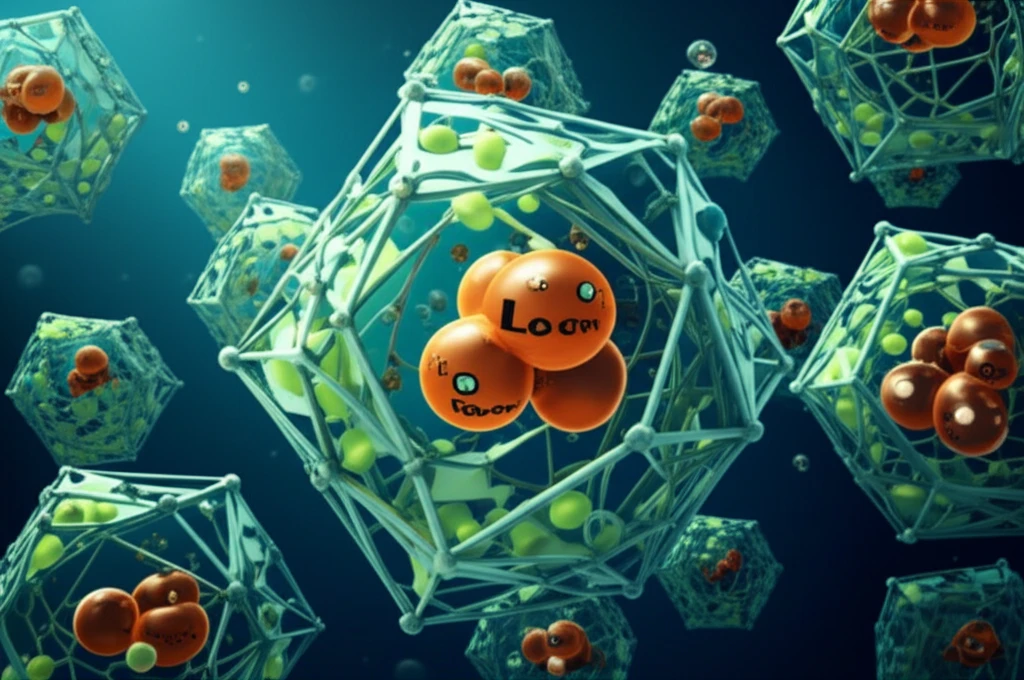
Microscopic view of zeolites purifying lead-contaminated water.

Lead Gone: How Eco-Friendly Zeolites Can Purify Your Water

"Discover how modified zeolites, derived from sustainable sources, offer a powerful and eco-conscious solution for removing lead from contaminated water."


Water pollution, stemming from industrial and agricultural runoff, poses a significant threat to public health, with heavy metals being a particularly concerning component due to their potential for long-term accumulation in ecosystems. Unlike many pollutants, heavy metals are not biodegradable, leading to their build-up in soil, sediments, and the food chain, which can result in severe health consequences, including cancer, organ damage, and even death. Therefore, finding effective and sustainable methods to remove these heavy metals from wastewater is a crucial step in safeguarding public health and the environment.

Traditional methods of heavy metal removal can be costly or generate their own waste streams. This has spurred the search for more eco-friendly alternatives. One promising avenue is the use of zeolites, crystalline aluminosilicates with porous structures. These materials can act as effective adsorbents, trapping heavy metals within their pores. The key to their effectiveness lies in tailoring their properties to specifically target and capture the pollutants of concern.

This article explores research into the use of synthesized zeolites, derived from sustainable and readily available sources like shale clay and barley husk, for the removal of lead (Pb(II)) ions from aqueous solutions. The research investigates the effectiveness of different types of synthesized zeolites and examines the factors that influence their ability to adsorb lead, offering insights into a potentially transformative approach to water purification.

Zeolites: Tiny Traps for Toxic Lead

Microscopic view of zeolites purifying lead-contaminated water.

Zeolites are crystalline materials possessing a unique porous structure at the molecular level. These pores act like tiny cages, capable of trapping various substances, including heavy metal ions. The ability to synthesize zeolites with varying pore sizes and compositions makes them versatile tools for environmental remediation. Researchers are particularly interested in zeolites derived from abundant and inexpensive sources, offering a sustainable alternative to traditional methods.

This study focused on synthesizing zeolites from locally available materials, including:

  • Shale Clay: A readily available sedimentary rock.
  • Barley Husk: An agricultural waste product rich in silica.
  • Montmorillonite Clay: A common type of clay with excellent adsorption properties.
  • Chert Rock: A sedimentary rock composed of microcrystalline or cryptocrystalline silica.
The synthesized zeolites were then tested for their ability to adsorb lead ions from aqueous solutions. The researchers also explored modifications to the zeolites' structure, such as treatment with oxalic acid and sodium hydroxide, to enhance their lead adsorption capacity. The efficiency of lead removal was determined by measuring the concentration of lead in the water before and after treatment with the zeolites.

A Promising Path to Cleaner Water

The results of the study indicated that synthesized zeolites, particularly those derived from shale clay and modified with oxalic acid and sodium hydroxide, exhibited a high capacity for lead adsorption. These modified zeolites were able to remove a significant percentage of lead from the water samples, demonstrating their potential as effective and eco-friendly alternatives for water purification.

The study highlights the potential of utilizing locally available and sustainable materials for the synthesis of zeolites, reducing the environmental impact associated with traditional water treatment methods. By transforming agricultural waste and abundant natural resources into valuable tools for pollution control, this approach offers a pathway towards a more circular and sustainable economy.

Further research is needed to optimize the synthesis and modification of zeolites for lead removal, as well as to assess their long-term performance and cost-effectiveness in real-world applications. However, the findings of this study provide a compelling case for the use of modified zeolites as a promising solution for addressing lead contamination in water and safeguarding public health.

About this Article -

This article was crafted using a human-AI hybrid and collaborative approach. AI assisted our team with initial drafting, research insights, identifying key questions, and image generation. Our human editors guided topic selection, defined the angle, structured the content, ensured factual accuracy and relevance, refined the tone, and conducted thorough editing to deliver helpful, high-quality information.See our About page for more information.

This article is based on research published under:

DOI-LINK: 10.5539/mas.v11n5p47, Alternate LINK

Title: An Eco-Friendly Process For Removal Of Lead From Aqueous Solution

Subject: Multidisciplinary

Journal: Modern Applied Science

Publisher: Canadian Center of Science and Education

Authors: Heman A. Smail, Kafia M. Shareef, Zainab H. Ramli

Published: 2017-04-08

Everything You Need To Know

1

What are zeolites and how do they trap toxic lead?

Zeolites are crystalline aluminosilicates that have a porous structure. These pores function as tiny traps that can capture substances, including heavy metal ions like lead. The ability to tailor zeolites with varying pore sizes and compositions makes them effective tools for environmental remediation. The most promising Zeolites for lead removal were derived from shale clay and barley husk.

2

What materials were used to synthesize zeolites in the lead removal study?

The study utilized synthesized zeolites derived from shale clay, barley husk, montmorillonite clay and chert rock. They modified the zeolites with oxalic acid and sodium hydroxide to improve lead adsorption capacity. They measured the concentration of lead in water samples before and after treatment with the zeolites to determine the efficiency of lead removal.

3

Why are heavy metals like lead so dangerous in our water supply?

Heavy metals, such as lead, are dangerous because they are not biodegradable. This means they accumulate in the environment, building up in soil, sediments, and the food chain. Exposure to heavy metals can have severe health consequences, including cancer, organ damage, and even death. Therefore, removing heavy metals like lead from wastewater is crucial for protecting public health.

4

How effective are modified zeolites in removing lead from water?

Zeolites modified with oxalic acid and sodium hydroxide, particularly those derived from shale clay, showed a high capacity for lead adsorption. These modified zeolites removed a significant percentage of lead from the water samples. This suggests they could be a transformative and eco-friendly solution for producing cleaner water.

5

Why are zeolites considered a more environmentally friendly approach to water purification compared to traditional methods?

Traditional methods for removing heavy metals can be expensive and generate their own waste streams, creating further environmental problems. This is why synthesized zeolites are gaining traction. Zeolites are derived from sustainable and readily available sources such as shale clay and barley husk. This offers a sustainable and environmentally conscious alternative for water purification compared to conventional treatments.

Newsletter Subscribe

Subscribe to get the latest articles and insights directly in your inbox.