
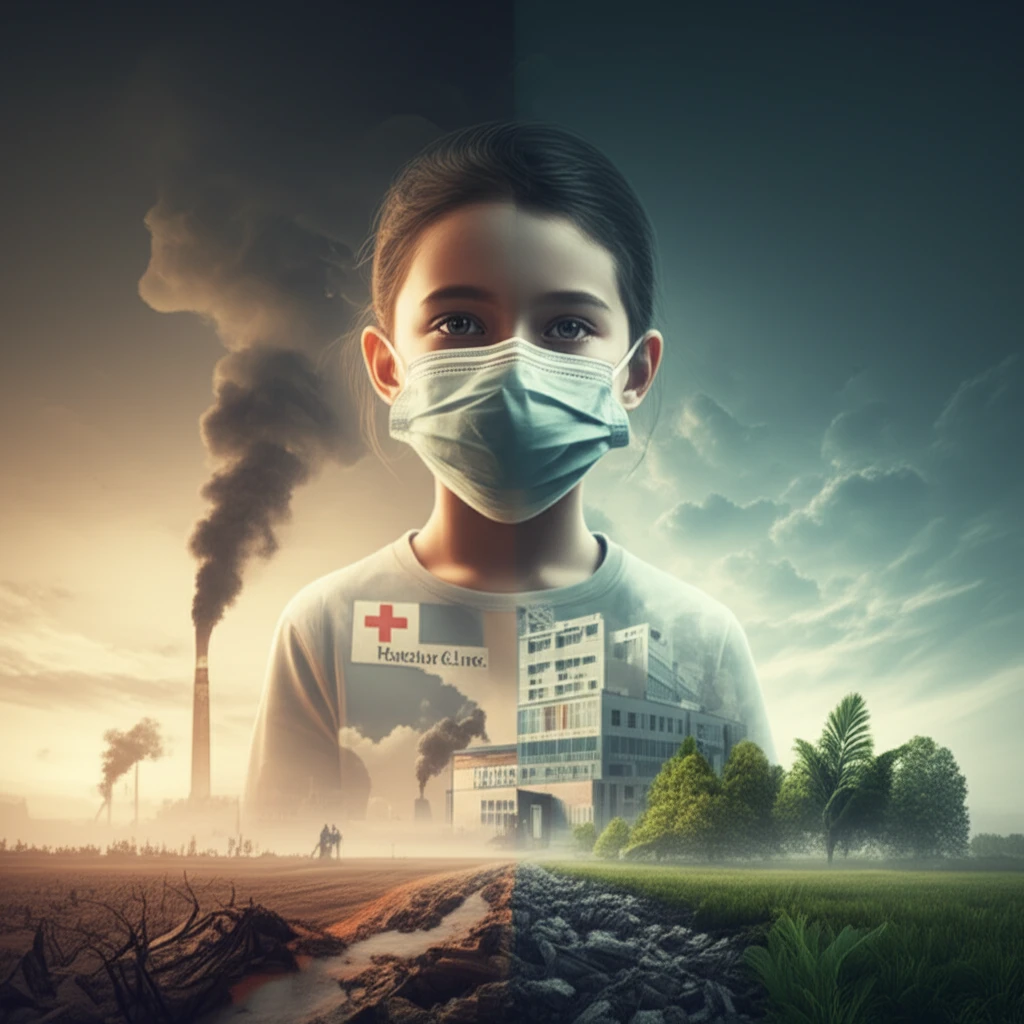
Lassa Fever, Air Pollution, and Global Health: What You Need to Know

"Recent research sheds light on the causes and impacts of Lassa fever outbreaks, the global implications of air pollution on children's health, and strategies for improving primary care worldwide."
Global health faces persistent challenges, from infectious disease outbreaks to the insidious effects of environmental hazards. Recent research highlights two pressing concerns: the cause of Lassa fever outbreaks and the impact of air pollution on children's health. Simultaneously, global efforts are underway to strengthen primary healthcare systems, aiming for universal access and improved well-being.
This article examines these critical issues, drawing on findings from recent studies and global health initiatives. We will explore the specific causes behind a recent Lassa fever outbreak, the alarming statistics surrounding children's exposure to air pollution, and the renewed commitment to primary care as a cornerstone of global health.
Understanding these challenges and the strategies to address them is crucial for promoting healthier populations and building more resilient healthcare systems worldwide.
Unmasking the Cause of Lassa Fever Outbreaks: It's the Rodents!
A recent Lassa fever outbreak in Nigeria raised concerns about a possible new, highly contagious strain of the virus. However, a detailed analysis of viral genomes revealed a different culprit: common African rodents.
- Rodent-borne Transmission: The study confirmed that the outbreak was primarily due to ongoing transmission from local rodent populations.
- Implications for Control: Understanding the source of transmission is crucial for developing effective control strategies, focusing on rodent control measures and preventing human contact with infected animals.
- Continued Research: While the study clarified the cause of the outbreak, further research is needed to understand the factors that contribute to increased rodent populations and the risk of transmission to humans.
Investing in a Healthier Future: A Call to Action
The research discussed highlights the interconnectedness of global health challenges and the importance of addressing them through multifaceted approaches. From controlling rodent populations to reduce Lassa fever transmission to mitigating air pollution to protect children's respiratory health, targeted interventions are essential.
Furthermore, the renewed commitment to primary care as a cornerstone of global health signifies a crucial step toward achieving universal health coverage. By strengthening primary care systems, countries can improve access to essential health services, promote preventive care, and address health inequities.
Ultimately, creating a healthier world requires a collective effort involving governments, healthcare professionals, researchers, and communities. By prioritizing investments in public health, implementing evidence-based interventions, and fostering collaboration, we can build a future where everyone has the opportunity to thrive.