
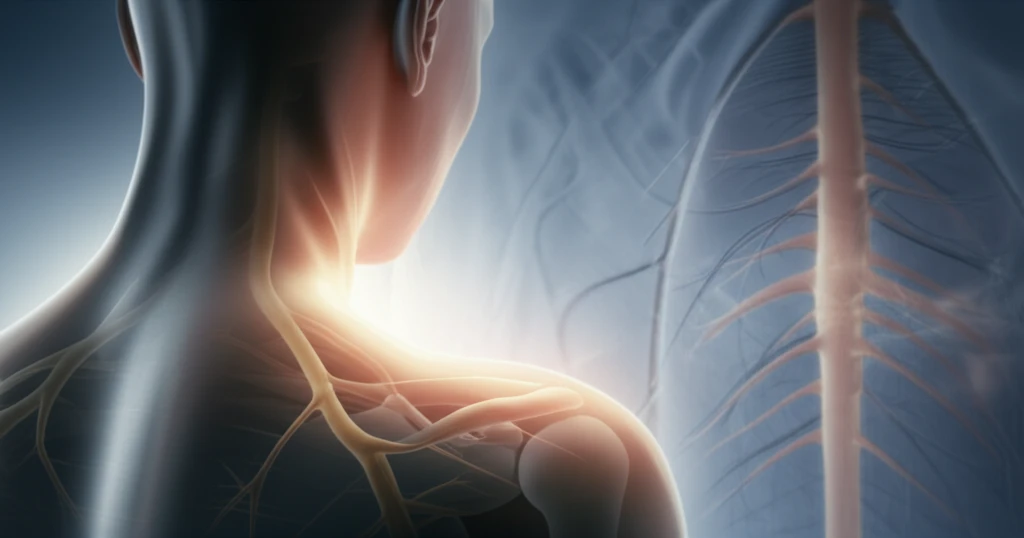
Gentle light therapy relieving nerve pain

Laser Therapy for Post-Herpetic Neuralgia: Is It the Pain Relief You've Been Searching For?

"Explore how low-level laser therapy offers a promising, non-invasive approach to managing the persistent pain of post-herpetic neuralgia and improving quality of life."


The sharp, burning, and often relentless pain of post-herpetic neuralgia (PHN) can cast a long shadow over the lives of those who have weathered the storm of shingles. Shingles, caused by the varicella-zoster virus – the same culprit behind chickenpox – can reactivate later in life, attacking nerve fibers and causing a painful rash. Even after the rash subsides, the pain can linger, sometimes for months or even years, a condition known as post-herpetic neuralgia.

Traditional treatments for PHN, such as antiviral medications, painkillers, and nerve blocks, often provide limited relief and can come with unwanted side effects. For many, the search for effective pain management continues, leading them to explore alternative and complementary therapies.

Among these promising approaches, low-level laser therapy (LLLT), also known as cold laser therapy, has emerged as a potential game-changer. This non-invasive technique uses specific wavelengths of light to stimulate cellular activity, reduce inflammation, and promote healing. But does it really work? And what can you expect from LLLT as a treatment for post-herpetic neuralgia?

Unlocking Pain Relief: How Low-Level Laser Therapy Works for Post-Herpetic Neuralgia

Gentle light therapy relieving nerve pain

Low-level laser therapy is not your typical surgical laser. Instead of cutting or burning tissue, LLLT delivers low-intensity light energy to the affected area. This light interacts with cells, triggering a cascade of beneficial effects:

Specifically, LLLT helps in:

  • Reducing Inflammation: LLLT can decrease the production of inflammatory molecules, helping to calm irritated nerves.
  • Boosting Circulation: The therapy promotes increased blood flow to the treated area, which can aid in tissue repair and reduce pain.
  • Stimulating Nerve Regeneration: LLLT may encourage the growth and repair of damaged nerve cells, potentially leading to long-term pain relief.
  • Releasing Endorphins: Light therapy can stimulate the release of endorphins, the body's natural pain relievers.
A 2016 review published in Scientia Medica meticulously analyzed existing studies on LLLT for PHN. The researchers examined data from various clinical trials, systematic reviews, and case reports to assess the effectiveness of this therapy. Let’s delve into what they discovered.

The Future of Pain Relief: LLLT as a Promising Option

Low-level laser therapy offers a promising avenue for those seeking relief from the debilitating pain of post-herpetic neuralgia. While more research is needed to standardize treatment protocols and optimize its effectiveness, LLLT presents a non-invasive and potentially life-changing option for managing chronic nerve pain. If you're struggling with PHN, talk to your doctor about whether LLLT might be right for you, and take a step toward a future with less pain and more vitality.

About this Article -

This article was crafted using a human-AI hybrid and collaborative approach. AI assisted our team with initial drafting, research insights, identifying key questions, and image generation. Our human editors guided topic selection, defined the angle, structured the content, ensured factual accuracy and relevance, refined the tone, and conducted thorough editing to deliver helpful, high-quality information.See our About page for more information.

This article is based on research published under:

DOI-LINK: 10.15448/1980-6108.2016.2.23046, Alternate LINK

Title: Tratamento Da Neuralgia Pós-Herpética Com Irradiações A Laser De Baixa Intensidade: Revisão Da Literatura

Subject: General Medicine

Journal: Scientia Medica

Publisher: EDIPUCRS

Authors: Raimundo Nonato Silva Gomes, Vânia Thaís Silva Gomes, Renata Amadei Nicolau

Published: 2016-05-13

Everything You Need To Know

1

What is post-herpetic neuralgia (PHN), and how does it relate to shingles?

Post-herpetic neuralgia (PHN) is a condition characterized by persistent nerve pain that can occur after a shingles outbreak. Shingles is caused by the varicella-zoster virus, the same virus that causes chickenpox. When the virus reactivates, it attacks nerve fibers, leading to a painful rash. Even after the rash heals, the pain of PHN can linger, sometimes for months or even years. PHN can significantly impact a person's quality of life due to its chronic and often debilitating nature.

2

How does low-level laser therapy (LLLT) work to alleviate the pain of post-herpetic neuralgia?

Low-level laser therapy (LLLT), also known as cold laser therapy, uses low-intensity light to stimulate cellular activity in the affected area. This non-invasive technique triggers several beneficial effects. LLLT helps in reducing inflammation by decreasing the production of inflammatory molecules, boosting circulation to aid in tissue repair, stimulating nerve regeneration to repair damaged nerve cells, and releasing endorphins, the body's natural pain relievers. These mechanisms collectively contribute to pain relief and potentially long-term healing for individuals suffering from post-herpetic neuralgia.

3

What are the key benefits of low-level laser therapy (LLLT) for post-herpetic neuralgia (PHN), as opposed to traditional treatments?

Low-level laser therapy (LLLT) offers several potential advantages over traditional treatments for post-herpetic neuralgia (PHN). Traditional treatments like antiviral medications, painkillers, and nerve blocks often provide limited relief and can come with unwanted side effects. LLLT is a non-invasive approach that aims to reduce inflammation, boost circulation, stimulate nerve regeneration, and release endorphins. By addressing these underlying factors, LLLT may offer more comprehensive and potentially longer-lasting pain relief with fewer side effects compared to conventional methods. The therapy's ability to promote healing and reduce reliance on medications makes it a promising option for managing chronic nerve pain.

4

What did the 2016 review in *Scientia Medica* reveal about the effectiveness of low-level laser therapy (LLLT) for post-herpetic neuralgia (PHN)?

The 2016 review published in *Scientia Medica* analyzed existing studies on low-level laser therapy (LLLT) for post-herpetic neuralgia (PHN). Although the article does not provide the detailed findings, it highlights the importance of examining clinical trials, systematic reviews, and case reports to assess the effectiveness of LLLT. The review's focus on data from various sources suggests an effort to evaluate the therapy's efficacy based on a wide range of evidence, supporting the potential of LLLT as a treatment option while acknowledging the need for further research to standardize treatment protocols and optimize its effectiveness.

5

In summary, what should individuals with post-herpetic neuralgia (PHN) consider regarding low-level laser therapy (LLLT) as a treatment option?

Individuals struggling with the debilitating pain of post-herpetic neuralgia (PHN) should consider low-level laser therapy (LLLT) as a promising, non-invasive option. LLLT has the potential to offer relief from chronic nerve pain by reducing inflammation, boosting circulation, stimulating nerve regeneration, and releasing endorphins. Although more research is needed, LLLT presents a potentially life-changing approach to managing PHN. Consulting with a doctor is crucial to determine if LLLT is a suitable treatment and to discuss its potential benefits and risks. This proactive approach can help individuals take a step toward a future with less pain and improved vitality.

Newsletter Subscribe

Subscribe to get the latest articles and insights directly in your inbox.