
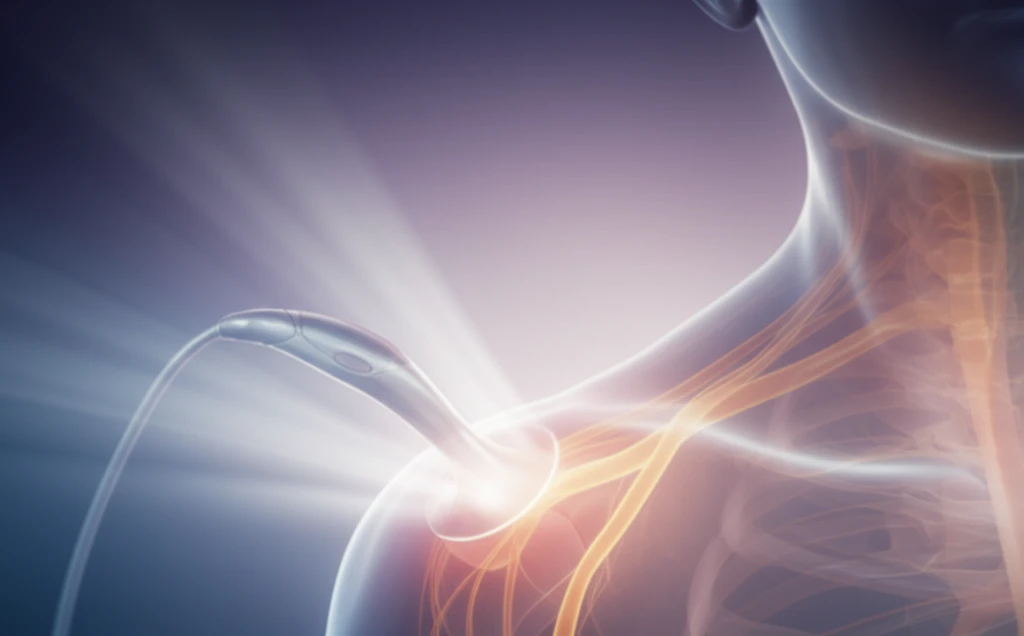
Laser Therapy for Post-Herpetic Neuralgia: Can Light Ease the Pain?

"Explore how low-intensity laser irradiation offers a promising, non-invasive approach to managing the persistent nerve pain following a shingles outbreak, and what the research reveals about its effectiveness."
Shingles, caused by the varicella-zoster virus (the same virus that causes chickenpox), can lead to a painful complication known as post-herpetic neuralgia (PHN). This condition is characterized by chronic neuropathic pain in the area affected by the shingles rash, and it can persist for months or even years after the rash has cleared. The pain can be debilitating, significantly impacting quality of life.
Traditional treatments for PHN often include medications such as antiviral drugs, painkillers, and anticonvulsants. However, these medications don't always provide adequate relief and can come with unwanted side effects. As a result, many individuals seek alternative or complementary therapies to manage their pain.
One such therapy gaining attention is low-level laser therapy (LLLT), also known as cold laser therapy. LLLT involves the application of low-intensity light to the affected area to stimulate cellular activity and reduce pain. This article explores the potential of LLLT as a treatment for PHN, examining the evidence from scientific studies and what you need to know.
How Does Low-Level Laser Therapy Work for Nerve Pain?
Low-level laser therapy (LLLT) works through a process called photobiomodulation. When light is applied to the skin, it's absorbed by cells and tissues. This absorption triggers a series of biological reactions that can reduce pain, inflammation, and promote healing. Here's a more detailed breakdown:
- Reduced Inflammation: LLLT can decrease the production of inflammatory substances in the body, helping to calm irritated nerves.
- Pain Relief: The therapy can stimulate the release of endorphins, the body's natural painkillers.
- Improved Circulation: LLLT may enhance blood flow to the affected area, which can help nourish damaged nerves and promote healing.
- Nerve Regeneration: Some studies suggest that LLLT can support the regeneration of damaged nerve tissue.
The Future of Laser Therapy for Post-Herpetic Neuralgia
Low-level laser therapy offers a promising avenue for those seeking relief from post-herpetic neuralgia. The existing research indicates that LLLT can effectively reduce pain and improve quality of life, with minimal side effects. As research continues and treatment protocols become more refined, LLLT may become an increasingly valuable tool in the management of this challenging condition.