
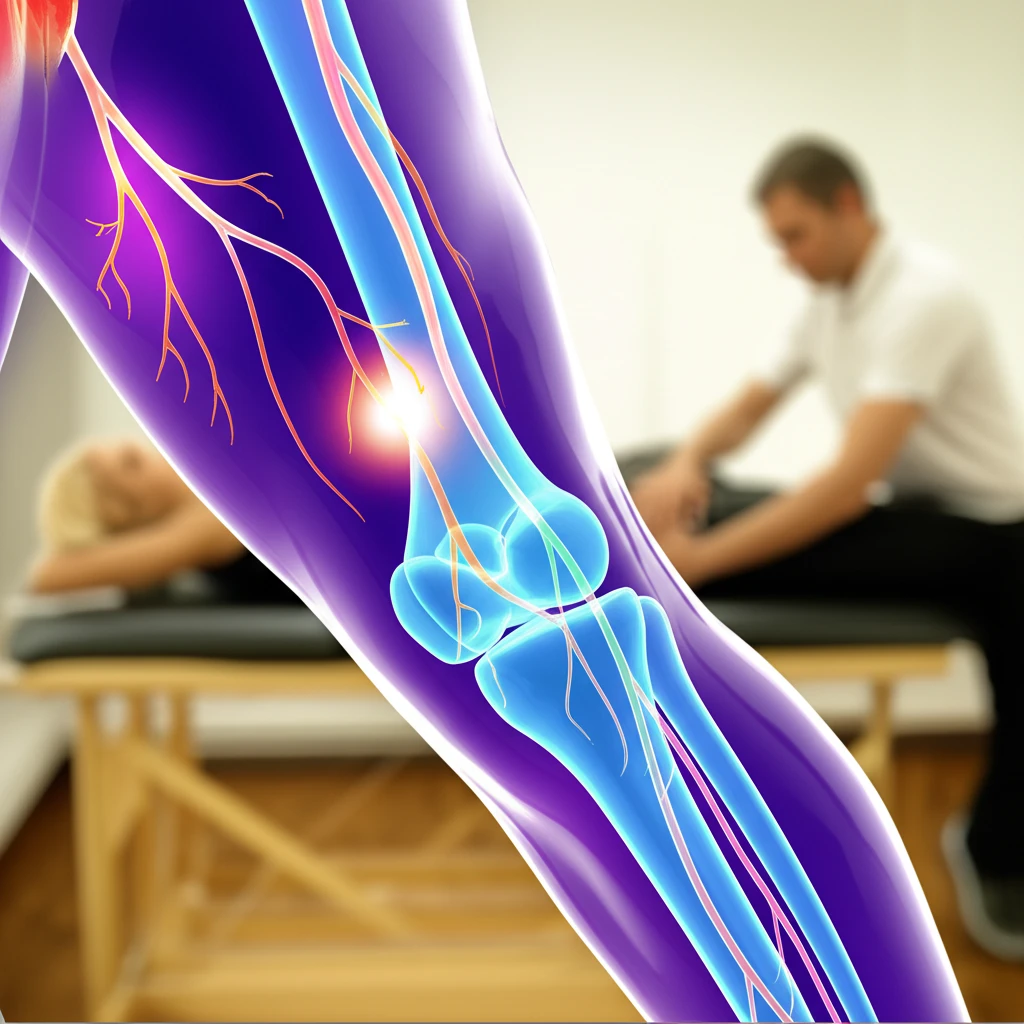
Illustration of adductor canal and femoral nerve pathways for knee pain management.

Knee Pain Solutions: Debunking Myths and Embracing the Latest Breakthroughs

"Unveiling the Truth: A Deep Dive into Adductor Canal Blocks vs. Femoral Nerve Blocks for Knee Arthroplasty"


Knee pain is a widespread issue affecting millions globally, impacting everything from daily activities to overall quality of life. Whether you're dealing with osteoarthritis, recovering from an injury, or preparing for a knee replacement, understanding your treatment options is crucial. Recent advancements in medical techniques offer more targeted and effective pain management strategies. This article delves into these advancements, particularly focusing on the use of nerve blocks.

One significant area of progress is in the use of peripheral nerve blocks for pain management after knee arthroplasty (knee replacement surgery). Traditional pain management often relies heavily on opioid medications, which can have significant side effects and risks. Nerve blocks, however, provide a targeted approach, directly numbing the nerves that transmit pain signals from the knee. This method not only reduces pain but can also lead to a faster and more comfortable recovery.

This article aims to provide an in-depth look into the comparison of two main nerve block techniques: the adductor canal block and the femoral nerve block. Based on research, including studies such as those comparing these blocks, we'll explore their mechanisms, benefits, and potential drawbacks. Our goal is to provide you with clear, actionable information to discuss with your healthcare provider, empowering you to make informed decisions about your knee pain management.

Adductor Canal Block vs. Femoral Nerve Block: What's the Difference?

Illustration of adductor canal and femoral nerve pathways for knee pain management.

Adductor canal blocks and femoral nerve blocks are both techniques used to provide pain relief after knee surgery, but they target different nerves and have distinct effects. The femoral nerve block targets the femoral nerve, which provides sensation to the front of the thigh and part of the knee. This block is highly effective for pain relief but can also cause weakness in the quadriceps muscle, making walking difficult after surgery. The adductor canal block, on the other hand, targets a smaller nerve branch within the adductor canal, a space in the thigh.

The key advantage of the adductor canal block lies in its ability to provide pain relief while preserving quadriceps strength. This means that patients can often walk and participate in physical therapy more easily after surgery, which can accelerate recovery. Femoral nerve blocks, while providing excellent pain control, can hinder mobility due to quadriceps weakness, potentially delaying recovery. Each approach offers unique advantages and disadvantages.

  • Pain Relief: Both blocks are designed to minimize post-operative pain, but their methods differ.
  • Mobility: Adductor canal blocks generally preserve quadriceps strength, allowing for easier movement. Femoral nerve blocks may cause temporary leg weakness.
  • Recovery: Improved mobility with adductor canal blocks can lead to faster recovery times.
  • Side Effects: Both have potential side effects; the choice depends on a balance of pain relief and mobility needs.
The choice between an adductor canal block and a femoral nerve block depends on several factors, including the type of surgery, the patient's overall health, and their mobility needs. The best approach should be discussed with your anesthesiologist and surgeon, considering both the benefits of pain control and the importance of maintaining muscle strength for a successful recovery. Recent studies comparing these techniques have highlighted the importance of personalized pain management strategies.

Making Informed Decisions About Knee Pain

Managing knee pain effectively involves staying informed and proactive about your treatment options. By understanding the differences between techniques like adductor canal and femoral nerve blocks, you can work with your healthcare providers to develop a pain management plan that best suits your individual needs and goals. Remember, effective pain control is a crucial part of a successful recovery, allowing you to regain mobility and improve your quality of life. Discuss these options, ask questions, and actively participate in your care to achieve the best possible outcome.

About this Article -

This article was crafted using a human-AI hybrid and collaborative approach. AI assisted our team with initial drafting, research insights, identifying key questions, and image generation. Our human editors guided topic selection, defined the angle, structured the content, ensured factual accuracy and relevance, refined the tone, and conducted thorough editing to deliver helpful, high-quality information.See our About page for more information.

This article is based on research published under:

DOI-LINK: 10.4172/2155-6148.1000838, Alternate LINK

Title: Adductor Canal Vs. Femoral Continuous Peripheral Nerve Blocks For Knee Arthroplasty: A One-Year Follow-Up Pilot Study Of 2 Randomized, Controlled Clinical Trials

Subject: Anesthesiology and Pain Medicine

Journal: Journal of Anesthesia & Clinical Research

Publisher: OMICS Publishing Group

Authors: Evan N Davidson, Anthony T Machi, Jacklynn F Sztain, Nicholas J Kormylo, Sarah J Madison, Wendy B Abramson, Amanda M Monahan, Bahareh Khatibi, Scott T Ball, Francis B Gonzales, Daniel I Sessler, Brian M Ilfeld

Published: 2018-01-01

Everything You Need To Know

1

What are the primary benefits of using nerve blocks for pain management after knee replacement surgery (knee arthroplasty)?

Nerve blocks, such as the adductor canal block and the femoral nerve block, offer targeted pain relief by directly numbing the nerves transmitting pain signals from the knee. This targeted approach can reduce the reliance on opioid medications, leading to fewer side effects and a potentially faster, more comfortable recovery after knee arthroplasty. Peripheral nerve blocks are a significant advancement over traditional pain management which relies heavily on opioid medications that have significant side effects and risks.

2

What is the key difference between an adductor canal block and a femoral nerve block, and how does this impact recovery?

The femoral nerve block targets the femoral nerve, which provides sensation to the front of the thigh and part of the knee. While effective for pain relief, it can cause weakness in the quadriceps muscle, hindering mobility. The adductor canal block targets a smaller nerve branch within the adductor canal, preserving quadriceps strength. This preservation allows patients to walk and participate in physical therapy more easily, potentially accelerating recovery.

3

How does the choice between an adductor canal block and a femoral nerve block get determined for individual patients undergoing knee surgery?

The choice between the adductor canal block and the femoral nerve block depends on several factors, including the type of surgery performed, the patient's overall health condition, and their specific mobility needs. Anesthesiologists and surgeons consider the balance between effective pain control and the importance of maintaining muscle strength for a successful recovery when making this decision. Individualized pain management strategies have become increasingly important.

4

Why is maintaining quadriceps strength important after knee surgery, and how does the adductor canal block help in this regard?

Maintaining quadriceps strength after knee surgery is vital for mobility, allowing patients to walk, participate in physical therapy, and perform daily activities more easily. The adductor canal block helps preserve quadriceps strength because it targets a smaller nerve branch within the adductor canal, minimizing the impact on the quadriceps muscle compared to a femoral nerve block, which can cause quadriceps weakness.

5

Beyond nerve blocks, what other considerations are important for effective knee pain management and a successful recovery after knee arthroplasty?

Effective knee pain management involves staying informed about available treatment options and actively participating in your care. Discussing options like adductor canal blocks and femoral nerve blocks with healthcare providers allows for a personalized pain management plan. Effective pain control is crucial for regaining mobility and improving the overall quality of life. Remember that while nerve blocks are a valuable tool, a comprehensive approach that includes physical therapy, appropriate medication, and patient education is essential for optimal outcomes. Future advancements in technology may also involve non-invasive procedures as well.

Newsletter Subscribe

Subscribe to get the latest articles and insights directly in your inbox.