
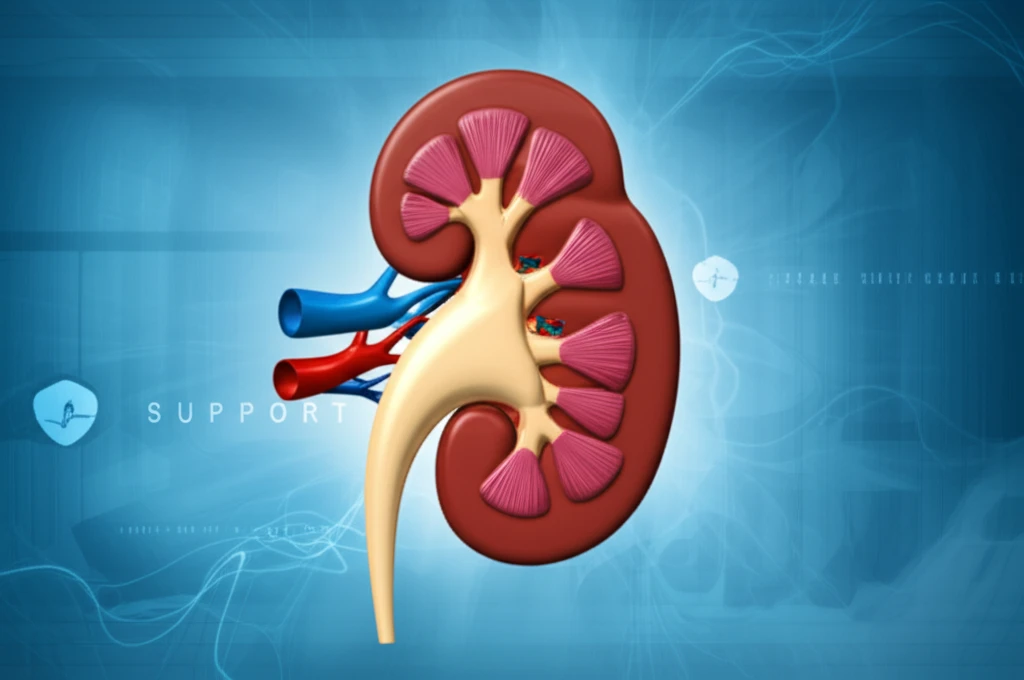
Kidney Transplants: Is Delaying Tacrolimus the Key to Safer Treatment?

"New research suggests a delayed approach to tacrolimus initiation after kidney transplant could be just as effective, with potentially fewer side effects."
Tacrolimus, a vital medication in kidney transplantation, helps prevent organ rejection. However, its potential to harm kidney function raises concerns. Traditionally, tacrolimus treatment starts early, but new research explores if delaying it could offer a safer path.
A recent study from Kaohsiung Chang Gung Memorial Hospital investigates the safety and effectiveness of delaying tacrolimus initiation in kidney transplant recipients who have undergone antilymphocyte induction therapy.
This article will break down the study's findings, exploring whether a delayed start to tacrolimus could provide similar benefits with potentially fewer risks, offering a fresh perspective on post-transplant care.
The Study: Delayed Tacrolimus Initiation - A Safe and Effective Alternative?
The researchers conducted a retrospective analysis of 68 kidney transplant patients. All patients received standard induction therapy with either basiliximab (Simulect) or thymoglobulin, alongside tacrolimus. The key difference? Patients were divided into two groups: those who started tacrolimus within 24 hours post-transplant (the No-delay group) and those who started it after 24 hours (the Delayed group).
- The Delayed group received tacrolimus, on average, 4 days after transplantation.
- Interestingly, the Delayed group had a higher incidence of slow graft function (SGF) and delayed graft function (DGF).
- Crucially, delaying tacrolimus did not increase the risk of biopsy-proven acute rejection, infection, post-transplant diabetes, or impact graft and patient survival.
Rethinking Tacrolimus: What This Means for Kidney Transplant Care
This research challenges the traditional approach of immediate tacrolimus initiation post-kidney transplant. The findings suggest that a delayed strategy, when combined with antilymphocyte induction therapy, could be equally effective and potentially safer, particularly for patients experiencing delayed graft function.
While these results are promising, further research is needed to determine the optimal duration of tacrolimus delay and to identify which patients would benefit most from this approach. Larger, multi-center studies will help validate these findings and refine treatment protocols.
For patients undergoing kidney transplantation, this study offers a hopeful outlook. By carefully considering the timing of tacrolimus initiation, healthcare professionals can potentially minimize side effects and improve long-term outcomes, paving the way for more personalized and effective transplant care.