
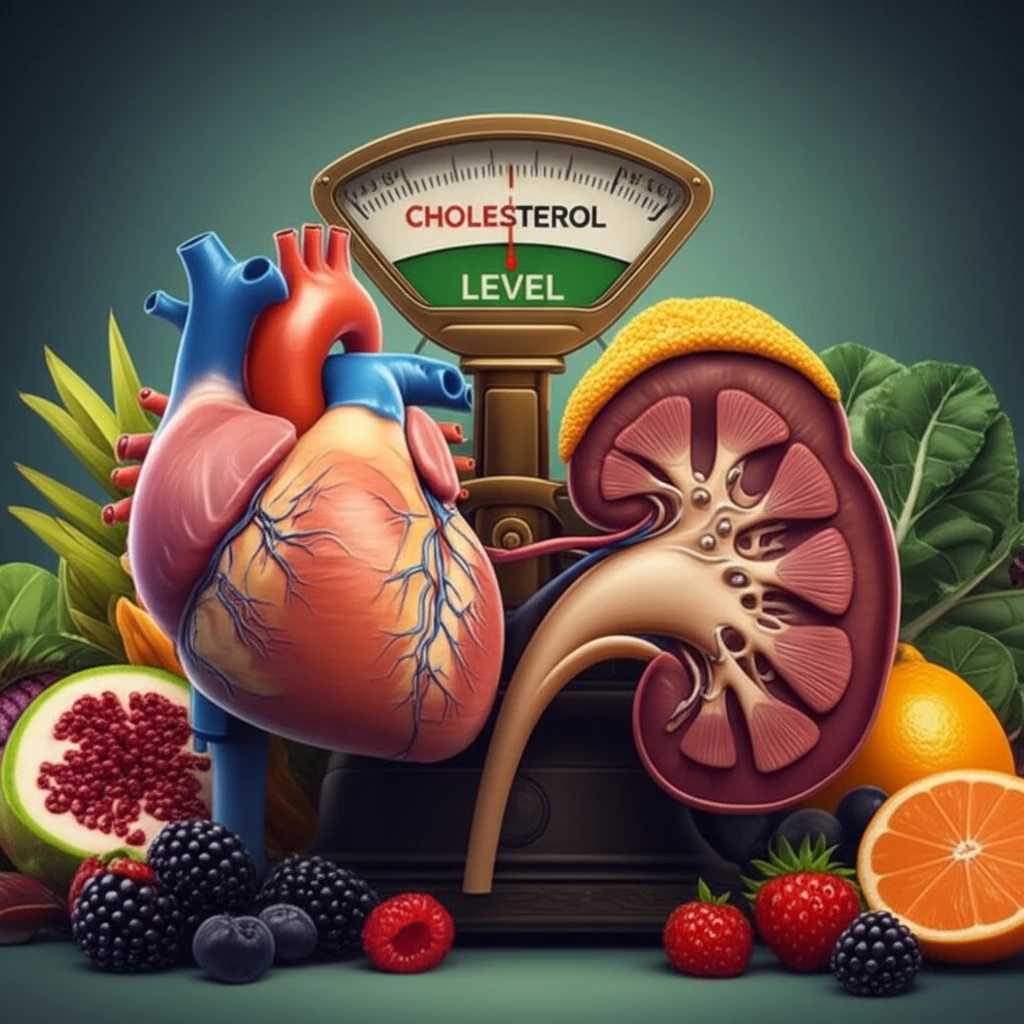
Healthy heart and kidney intertwined with balanced cholesterol.

Kidney Transplants and Cholesterol: Decoding the Connection for a Healthier Life

"Unveiling the links between kidney transplantation, cholesterol imbalances, and cardiovascular health, and how to manage these risks."


Receiving a kidney transplant is a life-changing event, offering a new lease on health and well-being. However, this journey also comes with its own set of challenges. One significant concern is the increased risk of developing hyperlipidemia, an elevation of lipids (fats), such as cholesterol and triglycerides, in the blood. This condition can significantly impact cardiovascular health, making it crucial for transplant recipients to understand and manage these risks effectively.

Hyperlipidemia, if left unchecked, can lead to a host of cardiovascular problems, including hypertension (high blood pressure), diabetes mellitus, obesity, and other heart-related issues. For individuals who have undergone kidney transplantation, the interplay between immunosuppressant medications, lifestyle changes, and pre-existing conditions can create a complex landscape that requires careful monitoring and proactive management.

This article aims to shed light on the connection between kidney transplants and cholesterol imbalances, providing insights into the potential risks and offering practical strategies for maintaining optimal cardiovascular health. Whether you are a kidney transplant recipient, a caregiver, or simply interested in understanding this critical health issue, this guide will equip you with the knowledge to make informed decisions and take proactive steps toward a healthier future.

Why are Cholesterol Imbalances Common After Kidney Transplants?

Healthy heart and kidney intertwined with balanced cholesterol.

Several factors contribute to the increased risk of cholesterol imbalances following a kidney transplant. Understanding these factors is the first step in effectively managing them:

Immunosuppressant Medications: These medications are essential to prevent the body from rejecting the new kidney. However, they can also have side effects that impact cholesterol levels and overall metabolism. Corticosteroids, for example, are known to raise LDL (bad) cholesterol and triglyceride levels while lowering HDL (good) cholesterol.

  • Lifestyle Changes: Post-transplant, individuals often experience changes in their lifestyle, including dietary habits and physical activity levels. These changes can either positively or negatively influence cholesterol levels. For instance, a diet high in saturated and trans fats can exacerbate hyperlipidemia, while regular exercise can help improve lipid profiles.
  • Pre-Existing Conditions: Many individuals undergoing kidney transplantation may already have pre-existing conditions such as diabetes or hypertension, which can further complicate cholesterol management. These conditions often require additional medications that can interact with immunosuppressants, making it essential to have a comprehensive and coordinated treatment plan.
  • Kidney Function: While the transplanted kidney improves overall health, its function can still influence cholesterol metabolism. Impaired kidney function can affect the way the body processes lipids, leading to imbalances that need to be carefully monitored and addressed.
By identifying these factors, healthcare professionals can develop tailored strategies to mitigate the risks of hyperlipidemia and promote cardiovascular well-being in kidney transplant recipients.

Taking Control of Your Heart Health After a Kidney Transplant

A kidney transplant offers a new opportunity for a healthier life, but it's crucial to proactively manage cholesterol levels and reduce cardiovascular risks. By understanding the factors that contribute to hyperlipidemia and adopting a heart-healthy lifestyle, transplant recipients can safeguard their long-term well-being. Regular monitoring, personalized medical advice, and a commitment to healthy habits are key to thriving post-transplant. Embrace this journey with knowledge and determination, and you can enjoy a fulfilling and heart-healthy future.

About this Article -

This article was crafted using a human-AI hybrid and collaborative approach. AI assisted our team with initial drafting, research insights, identifying key questions, and image generation. Our human editors guided topic selection, defined the angle, structured the content, ensured factual accuracy and relevance, refined the tone, and conducted thorough editing to deliver helpful, high-quality information.See our About page for more information.

Everything You Need To Know

1

What is hyperlipidemia and why is it a concern after a kidney transplant?

Hyperlipidemia is a condition characterized by elevated levels of lipids, specifically cholesterol and triglycerides, in the bloodstream. It is a significant concern for individuals who have undergone a kidney transplant because it can lead to various cardiovascular problems, including hypertension, diabetes mellitus, and other heart-related issues. Managing hyperlipidemia is crucial for kidney transplant recipients to maintain their cardiovascular health and overall well-being.

2

What causes cholesterol imbalances after a kidney transplant?

Several factors contribute to the increased risk of cholesterol imbalances after a kidney transplant. Immunosuppressant medications, essential to prevent the rejection of the new kidney, can affect cholesterol levels. Corticosteroids, a type of immunosuppressant, are known to raise LDL (bad) cholesterol and triglyceride levels while lowering HDL (good) cholesterol. Lifestyle changes, including diet and exercise, also play a role, as a diet high in unhealthy fats can exacerbate hyperlipidemia. Pre-existing conditions like diabetes or hypertension further complicate cholesterol management. Additionally, kidney function itself can influence cholesterol metabolism, making it essential to monitor and address any imbalances.

3

How do immunosuppressant medications affect cholesterol levels?

Immunosuppressant medications are crucial to prevent the body from rejecting a transplanted kidney. However, they can have side effects that impact cholesterol levels and overall metabolism. Corticosteroids, commonly used immunosuppressants, are known to raise LDL (bad) cholesterol and triglyceride levels while lowering HDL (good) cholesterol. This impact on lipid profiles underscores the importance of managing cholesterol levels carefully post-transplant to mitigate cardiovascular risks.

4

How does exercise relate to cholesterol levels post-transplant?

Regular exercise can positively influence cholesterol levels. It can improve lipid profiles, which can help to lower LDL cholesterol and raise HDL cholesterol. Incorporating regular physical activity is a practical strategy for maintaining optimal cardiovascular health following a kidney transplant. In conjunction with dietary changes and medical guidance, exercise is a key component of a heart-healthy lifestyle for transplant recipients.

5

How is cholesterol management approached for kidney transplant recipients?

Individuals who have undergone kidney transplantation may face a complex interplay between immunosuppressant medications, lifestyle changes, and pre-existing conditions, all influencing cholesterol management. Healthcare professionals develop tailored strategies to manage these factors. This approach includes regular monitoring, personalized medical advice, and a commitment to healthy habits. Understanding and managing these factors is essential for promoting cardiovascular well-being and ensuring a fulfilling and heart-healthy future for kidney transplant recipients.

Newsletter Subscribe

Subscribe to get the latest articles and insights directly in your inbox.