
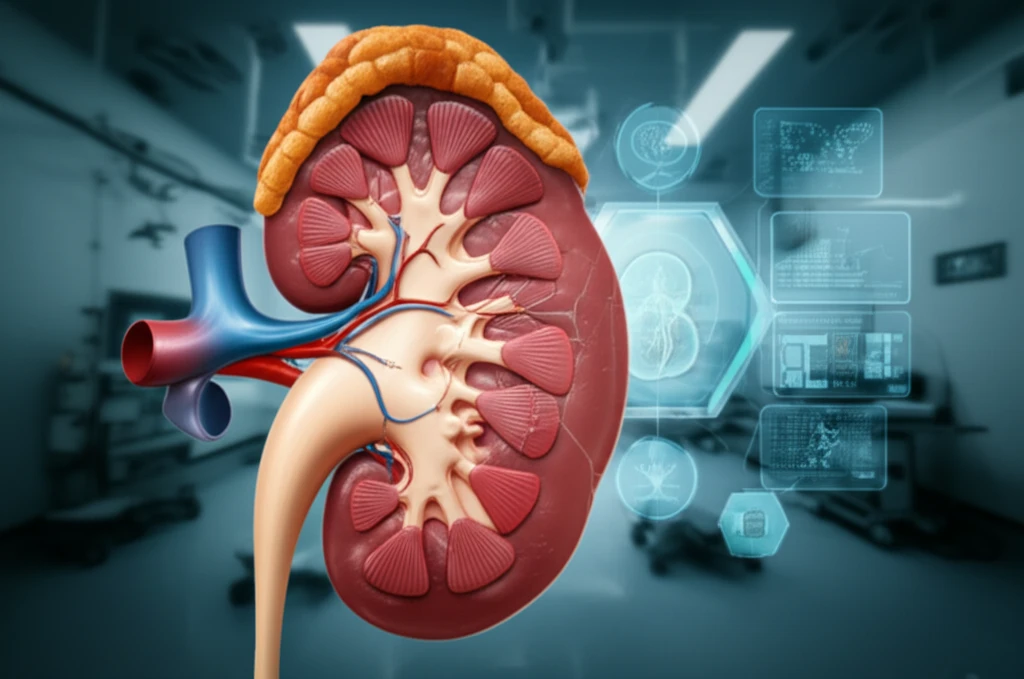
A digital illustration depicting a kidney transplant, symbolizing hope and healing.

Kidney Transplant Success: Unpacking the Factors That Matter Most

"From Surgical Techniques to Long-Term Outcomes: What You Need to Know About Kidney Transplantation"


Kidney transplantation stands as a beacon of hope for individuals grappling with end-stage renal disease (ESRD), offering a chance at a renewed life. This complex procedure involves replacing a failing kidney with a healthy one, providing a path to improved health, vitality, and overall well-being. The journey to a successful transplant, however, is not a simple one. It's a carefully orchestrated process involving numerous factors that span surgical techniques, patient care, and long-term management.

This article aims to demystify the world of kidney transplantation, providing a thorough understanding of the critical elements that determine success. We'll explore the surgical procedures, the importance of donor selection, the intricacies of post-operative care, and the long-term strategies that ensure the transplanted kidney thrives. Whether you're a patient, a caregiver, or simply seeking knowledge, this guide offers valuable insights into this transformative medical procedure.

The landscape of kidney transplantation is constantly evolving, with ongoing research and innovation leading to improved outcomes and enhanced quality of life for patients. This article will also touch upon the latest advancements in the field, providing a glimpse into the future of kidney transplantation and the exciting possibilities that lie ahead.

Key Factors Influencing Kidney Transplant Success

A digital illustration depicting a kidney transplant, symbolizing hope and healing.

Kidney transplant success is not solely determined by a single factor; rather, it's a culmination of various elements that work in harmony. From the moment the donor kidney is procured to the years of post-transplant care, each step plays a crucial role in the overall outcome. Understanding these key factors is essential for both patients and healthcare providers in maximizing the chances of a positive outcome.

One of the most significant determinants of transplant success is the compatibility between the donor and the recipient. Mismatches in blood type and human leukocyte antigens (HLAs) can trigger the recipient's immune system to attack the transplanted kidney, leading to rejection. Careful matching and crossmatching tests are performed to minimize the risk of rejection. Furthermore, the surgical technique employed during the transplant is also critical. The surgeon's skill, experience, and adherence to established protocols significantly impact the procedure's success. Minimizing surgical complications, such as bleeding or infection, is paramount.

  • Donor-Recipient Compatibility: Matching blood type and HLAs to minimize rejection risk.
  • Surgical Expertise: The skill and experience of the surgical team are vital for a successful procedure.
  • Immunosuppressant Therapy: The correct use of medications to prevent the body from rejecting the new kidney.
  • Post-Transplant Care: Regular checkups, medication management, and lifestyle adjustments are essential for long-term success.
  • Patient Adherence: Following medical advice and taking medications as prescribed are crucial for maintaining kidney health.
Beyond the surgical aspects, post-transplant care plays a pivotal role. This includes the use of immunosuppressant medications to prevent rejection, regular checkups to monitor kidney function, and lifestyle adjustments to promote overall health. Patient adherence to medical advice and medication regimens is also a critical factor. A well-informed and engaged patient is more likely to experience a positive outcome, highlighting the importance of patient education and support.

The Future of Kidney Transplantation: Innovation and Hope

Kidney transplantation is a constantly evolving field, with ongoing research and innovation driving improvements in outcomes and patient care. The future of kidney transplantation holds exciting possibilities, including advancements in immunosuppressant drugs, improved surgical techniques, and the development of bioengineered kidneys. As the field continues to progress, the prospects for individuals with kidney disease remain brighter than ever. With continued dedication and innovation, kidney transplantation will continue to offer hope and a chance at a healthier, more fulfilling life for countless individuals.

About this Article -

This article was crafted using a human-AI hybrid and collaborative approach. AI assisted our team with initial drafting, research insights, identifying key questions, and image generation. Our human editors guided topic selection, defined the angle, structured the content, ensured factual accuracy and relevance, refined the tone, and conducted thorough editing to deliver helpful, high-quality information.See our About page for more information.

Everything You Need To Know

1

What makes a kidney transplant successful?

Kidney transplant success depends on many things working well together. Important factors include matching the donor and recipient, the surgical team's skill, using immunosuppressant medications correctly, post-transplant care, and the patient following medical advice. When all these things are done well, the chances of a successful transplant are much higher. Missing from this explanation is a discussion of preemptive transplants, where a transplant occurs before dialysis is needed, and the influence of delayed graft function on long-term outcomes. These elements further contribute to a holistic understanding of success in kidney transplantation.

2

Why is donor-recipient compatibility so important in kidney transplants?

Matching the donor and recipient is very important to avoid rejection. If the blood type and human leukocyte antigens (HLAs) are not closely matched, the recipient's immune system might attack the new kidney. Doctors do careful matching and crossmatching tests to lower the risk of this happening. What is not explicitly mentioned is the role of antibody testing (PRA and DSA) which can further refine the risk assessment beyond basic HLA matching. Addressing these antibodies pre-transplant is crucial for improving outcomes, further emphasizing the complexity of donor-recipient compatibility.

3

What role do immunosuppressant medications play after a kidney transplant?

After a kidney transplant, immunosuppressant medications are essential. These medications prevent the recipient's immune system from rejecting the new kidney. Using these medications correctly is a key part of post-transplant care. This response omits mention of the different classes of immunosuppressants (e.g., calcineurin inhibitors, mTOR inhibitors, antimetabolites), each with specific mechanisms and side effect profiles. A deeper understanding of these drugs is crucial for optimizing long-term graft survival and minimizing adverse effects.

4

What advancements are expected in kidney transplantation?

The future of kidney transplantation looks promising because of ongoing research. We can expect better immunosuppressant drugs, improved surgical techniques, and the development of bioengineered kidneys. These innovations should lead to better results and a higher quality of life for people with kidney disease. While the answer speaks to bioengineered kidneys, it omits the exploration of xenotransplantation (animal to human) as a potential avenue for addressing the organ shortage. Additionally, advancements in precision medicine, tailoring immunosuppression based on individual patient risk profiles, are also pivotal for future progress.

5

How does post-transplant care influence the success of a kidney transplant?

Post-transplant care is critical for long-term success. This involves regular checkups to monitor kidney function, taking medications as prescribed, and making lifestyle adjustments to stay healthy. When patients follow medical advice carefully, they are more likely to have a positive outcome. Not explained in the response are the specific lifestyle adjustments, such as dietary modifications, exercise regimens, and avoidance of nephrotoxic substances. Furthermore, the role of psychosocial support in helping patients adhere to complex medical regimens is vital but unmentioned, highlighting the multifaceted nature of post-transplant care.

Newsletter Subscribe

Subscribe to get the latest articles and insights directly in your inbox.