
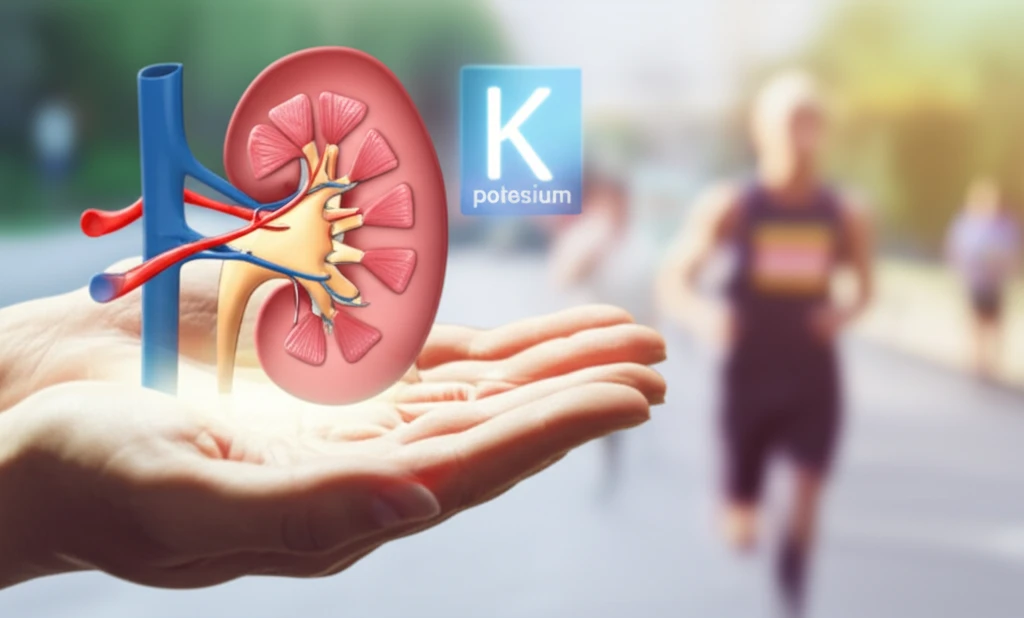
Kidney Transplant Breakthrough: Patiromer Offers Hope for Hyperkalemia Management

"A new study reveals how patiromer can safely and effectively manage hyperkalemia in kidney transplant recipients, paving the way for improved patient outcomes."
Hyperkalemia, characterized by elevated potassium levels in the blood, is a serious complication that frequently affects individuals who have undergone kidney transplantation. This condition can arise from various factors, including delayed graft function (DGF), kidney allograft failure, or as a side effect of medications commonly prescribed to these patients. Calcineurin inhibitors and Trimethoprim, while essential for preventing organ rejection and treating infections, respectively, are known to potentially induce hyperkalemia.
Patiromer, a non-absorbed potassium binder, has emerged as a valuable tool in managing hyperkalemia in adults. Its mechanism of action involves exchanging potassium for calcium within the gastrointestinal tract, primarily in the distal colon where potassium concentration is highest. This process leads to increased fecal excretion of potassium, effectively lowering serum potassium levels. However, the use of patiromer in kidney transplant recipients raises concerns about potential drug-drug interactions, particularly with immunosuppressants like tacrolimus.
The key challenge lies in the recommended timing of patiromer administration, which advises separating it from other oral medications by at least three hours. This requirement poses difficulties in medication scheduling and patient compliance. Despite these concerns, recent research suggests that patiromer can be safely and effectively used in kidney transplant recipients without compromising the levels of tacrolimus, offering a promising approach to managing hyperkalemia in this vulnerable population.
How Patiromer Can Help Kidney Transplant Patients Manage Hyperkalemia
A recent study has shed light on the successful use of patiromer in kidney transplant recipients, highlighting its potential to manage hyperkalemia without negatively impacting tacrolimus levels. The study focused on two cases where patiromer was administered to patients with end-stage renal disease (ESRD) who had undergone kidney transplantation.
- Case 1: A 34-year-old female with ESRD secondary to IgA nephropathy, who had received a second kidney transplant, experienced hyperkalemia post-transplant. Patiromer administration (8.4 mg daily, taken 4 hours after tacrolimus) effectively improved her potassium levels, delaying the need for dialysis.
- Case 2: A 58-year-old male with ESRD secondary to diabetic nephropathy, who received a deceased donor kidney, also experienced hyperkalemia post-transplant. Patiromer (8.4 mg daily, taken 4 hours after tacrolimus) resolved his hyperkalemia, and he remained on patiromer until his renal function improved, without requiring any adjustment to his tacrolimus dose.
The Future of Hyperkalemia Management in Kidney Transplant Recipients
The findings of this study offer a promising outlook for the management of hyperkalemia in kidney transplant recipients. Patiromer provides a safe and effective alternative to traditional treatments, allowing for better control of potassium levels without compromising the effectiveness of tacrolimus, a crucial immunosuppressant drug.
While the study provides valuable insights, further research is needed to fully understand the long-term effects of patiromer use in kidney transplant recipients. Specifically, studies are needed to examine the pharmacokinetics of tacrolimus when used in conjunction with patiromer, as well as to assess the potential impact of patiromer on the absorption of other medications, such as mycophenolate mofetil.
Despite these remaining questions, the current evidence suggests that patiromer can play a significant role in improving the outcomes of kidney transplant recipients who are at risk of developing hyperkalemia. By effectively managing potassium levels, patiromer can help prevent life-threatening complications and improve the overall quality of life for these patients.