
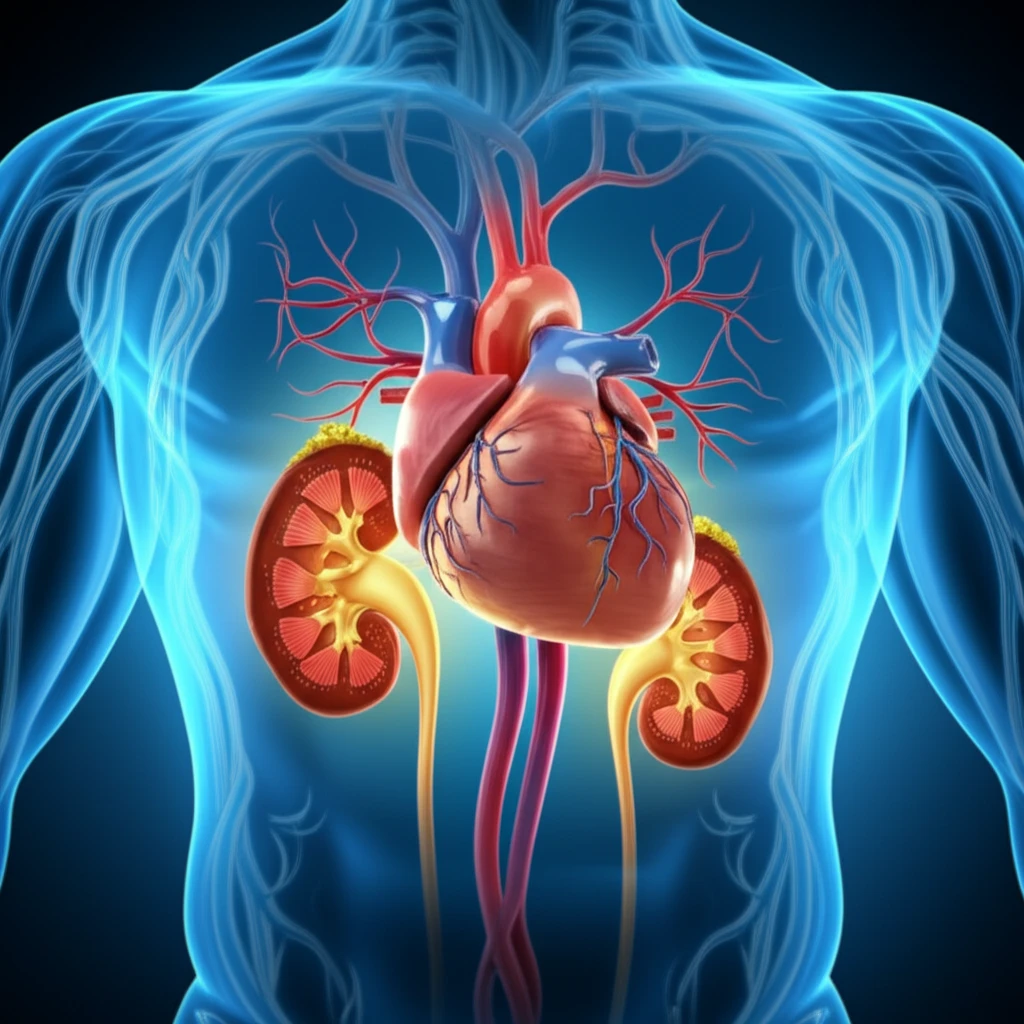
Kidney Health & Heart Disease: How to Protect Yourself

"Discover the vital link between chronic kidney disease and heart health, and learn how proactive treatment can extend your life and improve your well-being."
If you're managing a chronic condition like heart disease, it’s easy to focus solely on that one aspect of your health. However, our bodies are interconnected, and problems in one area can often affect others. One critical connection to be aware of is the link between your kidneys and your heart. Chronic Kidney Disease (CKD) and cardiovascular health are closely related, and understanding this relationship is key to protecting your overall well-being.
Chronic Kidney Disease (CKD) doesn’t just impact your kidneys; it significantly elevates your risk of developing heart problems. Individuals with CKD are more prone to conditions like coronary artery disease, heart failure, and stroke. This increased risk stems from several factors, including the build-up of toxins in the blood, inflammation, and increased blood pressure – all common in CKD patients.
The good news is that awareness and proactive management can make a real difference. Research, including a long-term follow-up study from the Medicine, Angioplasty, or Surgery Study II Trial, highlights the potential benefits of early intervention. This research emphasizes that managing CKD can lead to better cardiovascular outcomes and improved overall health. Understanding your risk and taking steps to protect both your kidneys and heart is essential for a longer, healthier life.
The Critical Connection: Why Kidney Health Matters for Your Heart
To truly understand how to protect yourself, it’s important to grasp the multifaceted relationship between CKD and heart disease. CKD doesn't just passively coexist with heart issues; it actively contributes to their development and progression. Key factors that create this dangerous link include:
- Elevated Blood Pressure: CKD often leads to hypertension, a major risk factor for heart disease.
- Toxin Buildup: Impaired kidney function results in the accumulation of toxins in the blood, damaging blood vessels and the heart.
- Inflammation: CKD triggers chronic inflammation, which contributes to the development of atherosclerosis (plaque buildup in arteries).
- Fluid Overload: Kidneys struggle to maintain proper fluid balance, leading to fluid overload and strain on the heart.
- Anemia: CKD often causes anemia, reducing oxygen supply to the heart and increasing the risk of heart failure.
Take Charge of Your Health
If you have CKD, understanding its impact on your heart is the first step. Work closely with your healthcare team to create a comprehensive management plan that addresses both kidney and heart health. With proactive care and a focus on a healthy lifestyle, you can protect your heart and kidneys, paving the way for a healthier, more vibrant future.