
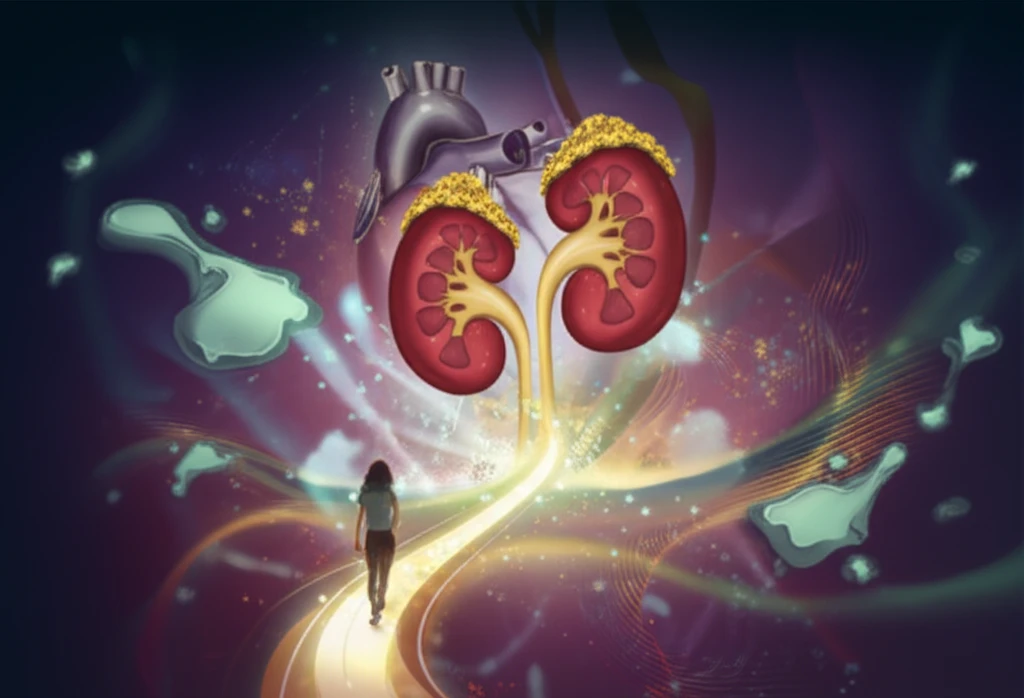
Illustration of heart and kidneys working together, with a path of wellness

Kidney Health and Heart Failure: Your Guide to a Healthy Heart and Kidneys

"Unveiling the Hidden Link: How Kidney Function Impacts Heart Failure and What You Can Do"


Heart failure and kidney disease are two of the most prevalent and costly health issues worldwide. Often, they occur together, creating a complex interplay that significantly impacts a person's health and quality of life. This article dives deep into this critical relationship, providing you with essential insights and actionable advice to safeguard your heart and kidneys.

The kidneys and heart are intricately linked, working in tandem to maintain overall health. The heart pumps blood, delivering oxygen and nutrients throughout the body, while the kidneys filter waste and excess fluids. When one falters, the other often suffers. Heart failure can strain the kidneys, and kidney disease can worsen heart failure, creating a vicious cycle.

This guide will explore the connection between kidney function and heart failure, providing a clear understanding of the risks and empowering you with knowledge to take proactive steps. We'll explore the causes, symptoms, and the importance of early detection and management, empowering you to take control of your health and well-being.

What's the Connection? Understanding the Heart-Kidney Relationship

Illustration of heart and kidneys working together, with a path of wellness

The link between heart failure and kidney disease, also known as cardiorenal syndrome, is multifaceted. When the heart cannot pump enough blood, the kidneys may not receive sufficient blood flow, leading to kidney damage. Conversely, kidney disease can cause fluid buildup and electrolyte imbalances, placing extra strain on the heart.

Several factors contribute to this complex relationship:

  • Reduced Blood Flow: Heart failure diminishes blood flow to the kidneys, depriving them of oxygen and essential nutrients.
  • Fluid Retention: Failing kidneys struggle to remove excess fluids, causing fluid buildup in the body, which strains the heart.
  • Hormonal Imbalances: Heart failure triggers hormonal changes, such as increased aldosterone, that can harm kidney function and worsen heart failure.
  • Medications: Some medications used to treat heart failure can impact kidney function, and vice versa.
Understanding this connection is the first step in protecting your health. Early detection and proactive management of both heart failure and kidney disease are critical for improving outcomes and quality of life.

Take Action for a Healthier Future

The relationship between kidney health and heart failure is undeniable, but it's also manageable. By understanding the risks, seeking early detection, and adopting a proactive approach, you can significantly improve your heart and kidney health. Remember to consult with your healthcare provider, follow their guidance, and embrace lifestyle changes. Your heart and kidneys will thank you for it, paving the way for a longer, healthier life.

About this Article -

This article was crafted using a human-AI hybrid and collaborative approach. AI assisted our team with initial drafting, research insights, identifying key questions, and image generation. Our human editors guided topic selection, defined the angle, structured the content, ensured factual accuracy and relevance, refined the tone, and conducted thorough editing to deliver helpful, high-quality information.See our About page for more information.

This article is based on research published under:

DOI-LINK: 10.4067/s0034-98872013000800005, Alternate LINK

Title: Incidencia E Importancia Pronóstica Del Deterioro De La Función Renal En Pacientes Hospitalizados Con Insuficiencia Cardiaca

Subject: General Medicine

Journal: Revista médica de Chile

Publisher: SciELO Agencia Nacional de Investigacion y Desarrollo (ANID)

Authors: Pablo Castro, Hugo Verdejo, Rodrigo Altamirano, Patricio Downey, José Luis Vukasovic, Luis Sepúlveda, Fernando Lanas, Paola Bilbao, Ricardo Pacheco, Víctor Rossel

Published: 2013-08-01

Everything You Need To Know

1

What is the primary connection between heart failure and kidney health?

The primary connection lies in the interplay between the heart and kidneys, often referred to as cardiorenal syndrome. Heart failure can reduce blood flow to the kidneys, leading to damage, while kidney disease can cause fluid buildup and electrolyte imbalances, straining the heart. This creates a vicious cycle where the dysfunction of one organ exacerbates the condition of the other.

2

How does heart failure specifically impact kidney function?

Heart failure impacts kidney function in several ways. Reduced blood flow deprives the kidneys of oxygen and nutrients, while hormonal imbalances, such as increased aldosterone, can harm kidney function. Additionally, heart failure can lead to fluid retention, as failing kidneys struggle to remove excess fluids, further straining the heart. These factors collectively contribute to kidney damage and dysfunction.

3

What role do medications play in the relationship between kidney health and heart failure?

Medications can have a dual role. Some medications used to treat heart failure can impact kidney function, and vice versa. Certain drugs may have adverse effects on the kidneys, while others, intended to manage kidney disease, could affect heart function. It's crucial for healthcare providers to carefully consider the potential interactions and side effects of medications when treating patients with both heart failure and kidney disease.

4

What is 'Cardiorenal Syndrome' and why is it important to understand?

Cardiorenal syndrome describes the complex relationship between heart failure and kidney disease, where dysfunction in one organ leads to dysfunction in the other. Understanding this syndrome is crucial for early detection and proactive management. It allows healthcare providers to address both conditions simultaneously, improving outcomes and quality of life by preventing the cycle of damage between the heart and kidneys.

5

Beyond medication, what proactive steps can individuals take to improve both heart and kidney health and mitigate the risks associated with cardiorenal syndrome?

Beyond medication, adopting a proactive approach through lifestyle changes is crucial. This includes dietary adjustments to manage fluid and electrolyte balance, regular exercise to improve cardiovascular health and maintain healthy blood flow to the kidneys. Regular monitoring of kidney function and heart health, coupled with close consultation with healthcare providers, allows for timely intervention and management, ultimately improving overall health and well-being.

Newsletter Subscribe

Subscribe to get the latest articles and insights directly in your inbox.