
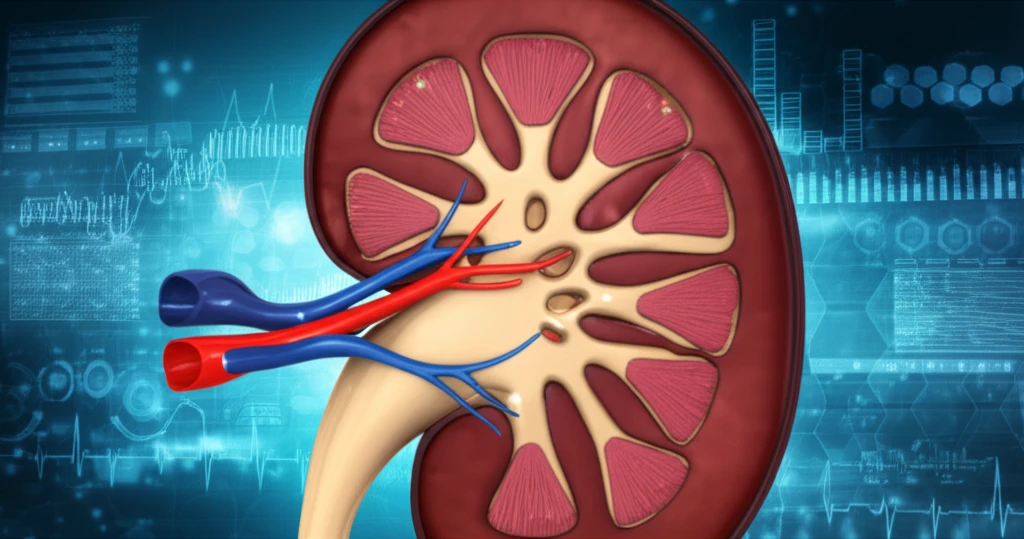
Kidney Function Under the Microscope: When Measuring Glomerular Filtration Rate (GFR) Matters Most

"Unveiling the complexities of kidney health: Why a deeper dive into GFR measurement can be a game-changer for personalized treatment and improved well-being."
Your kidneys are workhorses, performing essential tasks to keep you healthy. They filter waste, regulate hormones, and maintain the balance of vital substances in your blood. When assessing kidney health, doctors often focus on two key factors: albuminuria (protein in the urine) and glomerular filtration rate (GFR). GFR, in particular, indicates how well your kidneys are filtering waste.
While estimating GFR (eGFR) through blood tests is common, sometimes a more precise measurement of GFR (mGFR) is necessary. This article explores when mGFR can be a valuable tool for personalizing treatment and improving outcomes, especially when eGFR might not provide a complete picture.
We'll delve into situations where mGFR can significantly impact clinical decisions, potentially leading to better management of your health and a higher quality of life. By understanding when mGFR is most useful, you can be an informed advocate for your own kidney care.
eGFR vs. mGFR: Why the Difference Matters?
Think of eGFR as a quick snapshot of your kidney function. It's calculated using a formula that considers factors like your age, sex, race, and creatinine levels in your blood. Creatinine is a waste product, and elevated levels can suggest kidney problems.
- Early Stages of Kidney Disease: eGFR may appear normal even when kidney function is declining because creatinine secretion increases.
- Muscle Mass: Individuals with low muscle mass (e.g., the elderly, those with muscle wasting diseases) may have artificially high eGFR readings because they produce less creatinine.
- Inflammation: Inflammation can reduce creatinine generation, leading to inaccurate eGFR results.
The Future of Kidney Care: Precision and Personalization
While large-scale studies may not always demonstrate the broad benefits of mGFR at the population level, its value lies in precision medicine. By tailoring treatment to the individual based on the most accurate assessment of kidney function, we can minimize risks and improve quality of life.
The standardization of mGFR techniques is a positive step, but more research is needed to identify specific subgroups of patients who would benefit most from this more precise measurement. This includes exploring the usefulness of mGFR in clinical decision-making.
Ultimately, the goal is to provide the best possible care for each patient with CKD, reducing complications and improving their overall well-being. mGFR, when used strategically, can be a valuable tool in achieving this goal.