
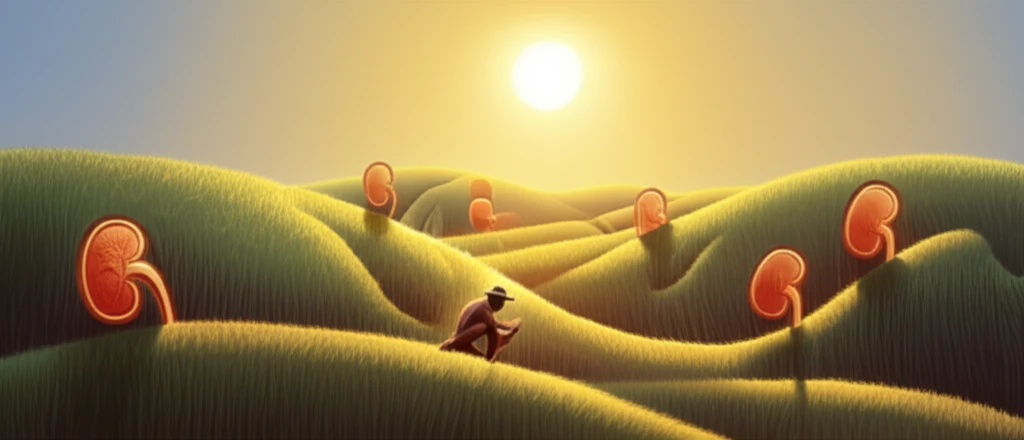
Kidney Disease in Mesoamerica: Is Heat the Silent Culprit?

"Unveiling the link between occupational heat stress and chronic kidney disease in agricultural communities along the Mesoamerican Pacific coast."
For years, a perplexing health crisis has been unfolding along the Pacific coast of Mesoamerica, stretching from southern Mexico to northern Costa Rica. Young, otherwise healthy agricultural workers, particularly those in sugarcane fields, are developing chronic kidney disease (CKD) at alarming rates. This isn't your typical kidney disease story – conventional risk factors like diabetes and hypertension don't fully explain the surge. Researchers have been diligently working to unravel the mystery, and a compelling suspect has emerged: occupational heat stress.
The original study, highlighted by Wesseling et al. (2011), points towards a strong association between strenuous labor in hot conditions and the development of CKD. This research, focusing on Central American communities, suggests that repeated exposure to extreme heat and dehydration may be silently damaging the kidneys of these hardworking individuals. But how exactly does heat lead to kidney damage, and what can be done to protect these vulnerable populations?
This article delves into the concerning trend of CKD in Mesoamerica, exploring the evidence linking heat stress to kidney damage and discussing potential strategies for prevention. We'll break down the science in an accessible way, providing insights relevant to anyone interested in public health, occupational safety, or the impact of environmental factors on human health. Understanding this connection is the first step towards protecting the health and well-being of these essential workers.
The Silent Threat: How Heat Stress Impacts Kidney Function
Our kidneys are remarkable organs, constantly working to filter waste and excess fluids from our blood, which are then excreted in urine. They also play a vital role in regulating blood pressure, maintaining electrolyte balance, and producing hormones. When kidneys are damaged, these essential functions are compromised, leading to a buildup of toxins in the body and a cascade of health problems.
- Reduced Blood Flow: Dehydration reduces blood volume, leading to decreased blood flow to the kidneys. This deprives the kidneys of the oxygen and nutrients they need to function properly.
- Increased Toxin Concentration: As the kidneys try to conserve water, they concentrate urine. This can increase the concentration of toxins in the kidneys, potentially damaging the delicate structures within.
- Inflammation and Oxidative Stress: Heat stress can trigger inflammation and oxidative stress in the kidneys, further contributing to damage.
- Rhabdomyolysis: In extreme cases, heat stress can lead to rhabdomyolysis, a condition where muscle tissue breaks down and releases harmful substances into the bloodstream. These substances can overwhelm the kidneys and cause acute kidney injury.
Protecting the Protectors: Steps Towards Prevention
The rising rates of CKD among Mesoamerican agricultural workers are a serious concern, but it’s not without potential solutions. By recognizing the link between heat stress and kidney damage, we can implement targeted strategies to protect these vulnerable populations. It starts with promoting awareness among workers and employers about the risks of heat stress and the importance of staying hydrated. This involves providing access to clean drinking water throughout the workday, encouraging regular breaks in shaded areas, and educating workers on how to recognize the early signs of heat-related illness.