
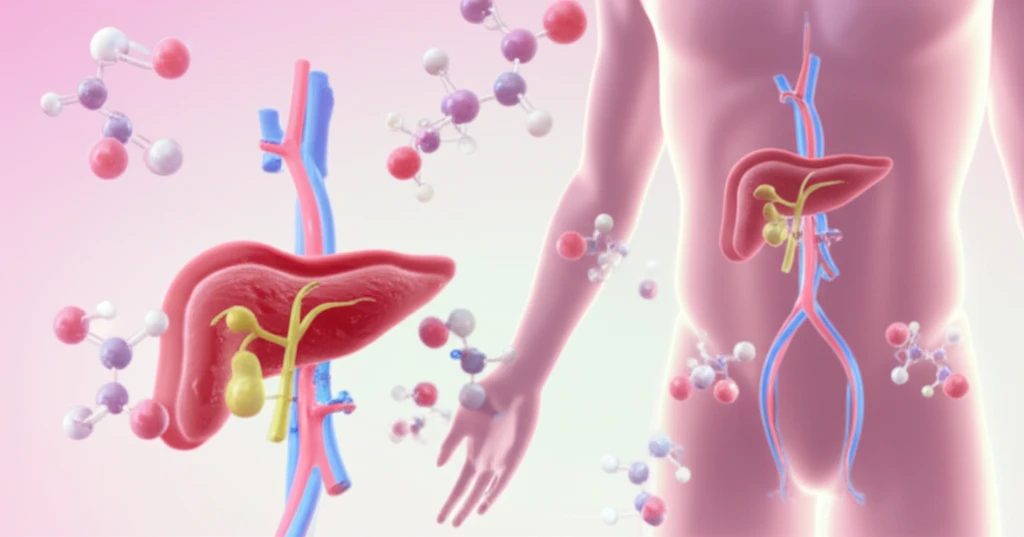
Ketone Bodies & Prediabetes: Is There a Link?

"New research explores the surprising connection between ketone levels and blood sugar imbalances after pancreatitis."
For individuals navigating life after acute pancreatitis, the road to recovery can be fraught with unexpected turns. Beyond the initial inflammation, many grapple with long-term complications, including prediabetes – a condition where blood sugar levels are higher than normal, but not yet high enough to be diagnosed as type 2 diabetes.
Emerging research suggests that ketone bodies, often associated with fat burning and low-carb diets, may play a surprising role in this delicate balance. While typically studied in the context of diabetes and weight management, their influence on glucose metabolism after pancreatitis is largely uncharted territory.
A groundbreaking study is shedding light on this connection, revealing a unique relationship between ketone levels and fasting plasma glucose in individuals with post-pancreatitis prediabetes (PPP). This article dives deep into the study's findings, exploring what this could mean for managing blood sugar and improving overall health for those affected.
Ketone Bodies and Blood Sugar: Unpacking the Connection
The study, published in Archives of Physiology and Biochemistry, investigated the association between ketone bodies (specifically acetoacetate and β-hydroxybutyrate) and fasting plasma glucose (FPG) in individuals with PPP compared to those with normal glucose levels after pancreatitis (NAP). Researchers analyzed fasting blood samples and adjusted for various patient and pancreatitis-related characteristics to ensure accurate results.
- Inverse Relationship: The study found a significant inverse relationship between β-hydroxybutyrate (BHB) and FPG in individuals with PPP. This means that as BHB levels increased, FPG levels tended to decrease.
- BHB's Impact: BHB levels explained a significant 26.2% of the variance in FPG levels within the PPP group.
- Acetoacetate's Role: Acetoacetate, another type of ketone body, did not show a significant association with FPG in either the PPP or NAP groups.
Looking Ahead: What This Means for Recovery
This study is a crucial first step. While it highlights a compelling link between ketone bodies and glucose regulation in the specific context of post-pancreatitis prediabetes, more research is needed to fully understand the underlying mechanisms and potential applications. Future studies could explore whether manipulating ketone body metabolism through dietary interventions or supplementation could offer a new approach to managing blood sugar and improving the long-term health of individuals recovering from pancreatitis.