
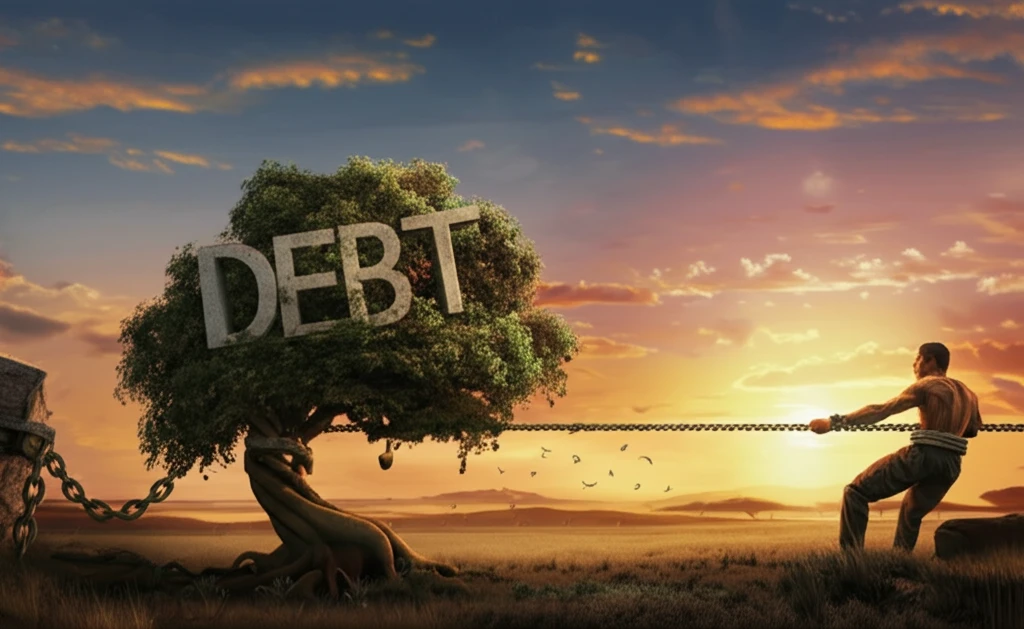
Economic growth versus external debt in Kenya

Kenya's Debt Dilemma: How Interest Payments Impact Economic Growth

"Navigating the complex relationship between external debt and economic prosperity in Kenya."


Kenya, like many developing nations, faces the ongoing challenge of balancing economic growth with the burden of external debt. The increasing interest payments on this debt have become a significant concern, especially since 2010. While Kenya strives to maintain a steady GDP, rising debt-related expenses can hinder progress and strain the nation's financial resources.

Policymakers are particularly worried that a rapid increase in external debt could undermine Kenya's sovereign rating. This is especially true if economic expansion doesn't keep pace with the growing debt. Maintaining a healthy balance is crucial to safeguard the country's long-term financial stability.

This article examines the impact of interest payments on external debt on Kenya's economic growth. By analyzing data and trends, it sheds light on the complexities of managing debt in a developing economy and offers insights for a more sustainable path forward.

How Do Interest Payments on External Debt Affect Kenya's Economy?

Economic growth versus external debt in Kenya

Interest payments on external debt can have a ripple effect throughout Kenya's economy. When a significant portion of the national budget goes towards servicing debt, there are fewer resources available for vital sectors like education, healthcare, and infrastructure. This can slow down development and limit opportunities for economic advancement.

Several factors contribute to this complex relationship:

  • Reduced Investment: High debt payments can discourage both domestic and foreign investment, as potential investors worry about the country's ability to repay its obligations.
  • Eroding Confidence: A rising debt burden can erode confidence in the Kenyan economy, leading to capital flight and instability in financial markets.
  • Limited Fiscal Space: Large interest payments restrict the government's ability to respond to economic shocks or invest in long-term growth initiatives.
  • Opportunity Cost: The funds used for debt servicing could be used for projects that directly benefit the Kenyan people, such as improving education, healthcare, or infrastructure.
The study used data from 1991 to 2015 to analyze the link between GDP growth and interest payments on external debt. The results indicated a significant negative correlation: as interest payments increased, GDP growth tended to decline. This suggests that the burden of debt servicing can indeed hinder Kenya's economic progress.

Strategies for a Sustainable Economic Future

To ensure sustainable economic growth, Kenya needs to adopt a multi-faceted approach to debt management. This includes negotiating favorable loan terms, diversifying the economy to reduce reliance on external borrowing, and investing in projects that generate long-term returns. By prioritizing fiscal responsibility and strategic investments, Kenya can mitigate the negative impacts of debt and pave the way for a more prosperous future.

About this Article -

This article was crafted using a human-AI hybrid and collaborative approach. AI assisted our team with initial drafting, research insights, identifying key questions, and image generation. Our human editors guided topic selection, defined the angle, structured the content, ensured factual accuracy and relevance, refined the tone, and conducted thorough editing to deliver helpful, high-quality information.See our About page for more information.

This article is based on research published under:

DOI-LINK: https://doi.org/10.48550/arXiv.2405.16193,

Title: Effect Of Interest Payments On External Debt On Economic Growth In Kenya

Subject: econ.gn q-fin.ec

Authors: Sammy Kemboi Chepkilot

Published: 25-05-2024

Everything You Need To Know

1

How do interest payments on external debt specifically impact Kenya's economic growth?

Interest payments on external debt directly affect Kenya's economic growth by reducing the resources available for critical sectors. When a significant portion of the national budget is allocated to debt servicing, less funding remains for essential areas like education, healthcare, and infrastructure. This lack of investment can slow down economic advancement and limit opportunities for the Kenyan people. The study using data from 1991 to 2015 showed a negative correlation, where rising interest payments correlated with a decline in GDP growth, highlighting the burden debt servicing places on Kenya's economic progress.

2

What are the potential consequences of a rapid increase in external debt for Kenya's financial stability?

A rapid increase in external debt can undermine Kenya's sovereign rating, particularly if economic expansion doesn't keep pace with the growing debt obligations. This can lead to several adverse effects, including reduced investor confidence, capital flight, and instability in financial markets. Policymakers are especially concerned about this, as a lower sovereign rating can make it more expensive for Kenya to borrow money in the future. Maintaining a healthy balance between debt and economic growth is therefore crucial to safeguard the country's long-term financial stability.

3

How does high external debt discourage investment in the Kenyan economy?

High external debt can discourage both domestic and foreign investment in Kenya through several mechanisms. Potential investors may become wary of the country's ability to repay its obligations, leading to reduced investment in Kenyan projects and businesses. Moreover, a rising debt burden can erode confidence in the Kenyan economy, causing investors to seek opportunities elsewhere. This creates an environment where it becomes more challenging to attract capital needed for economic expansion and development.

4

What are the opportunity costs associated with Kenya's interest payments on external debt?

The opportunity cost of interest payments on external debt in Kenya refers to the alternative uses for those funds that are forgone due to debt servicing. The money used for debt servicing could be invested in projects that directly benefit the Kenyan people, such as improving education, healthcare, or infrastructure. These investments can lead to increased productivity, improved living standards, and long-term economic growth. By allocating funds to debt payments, Kenya misses opportunities to invest in these vital sectors, hindering its potential for sustainable development.

5

What strategies can Kenya implement to ensure a sustainable economic future while managing its external debt?

To ensure sustainable economic growth, Kenya can adopt a multi-faceted approach to debt management. This involves negotiating favorable loan terms with creditors to reduce interest rates and extend repayment periods. It also includes diversifying the economy to reduce its reliance on external borrowing by promoting exports and attracting foreign direct investment in various sectors. Furthermore, investing in projects that generate long-term returns, such as infrastructure, education, and healthcare, is essential. By prioritizing fiscal responsibility and strategic investments, Kenya can mitigate the negative impacts of debt and pave the way for a more prosperous future.

Newsletter Subscribe

Subscribe to get the latest articles and insights directly in your inbox.