
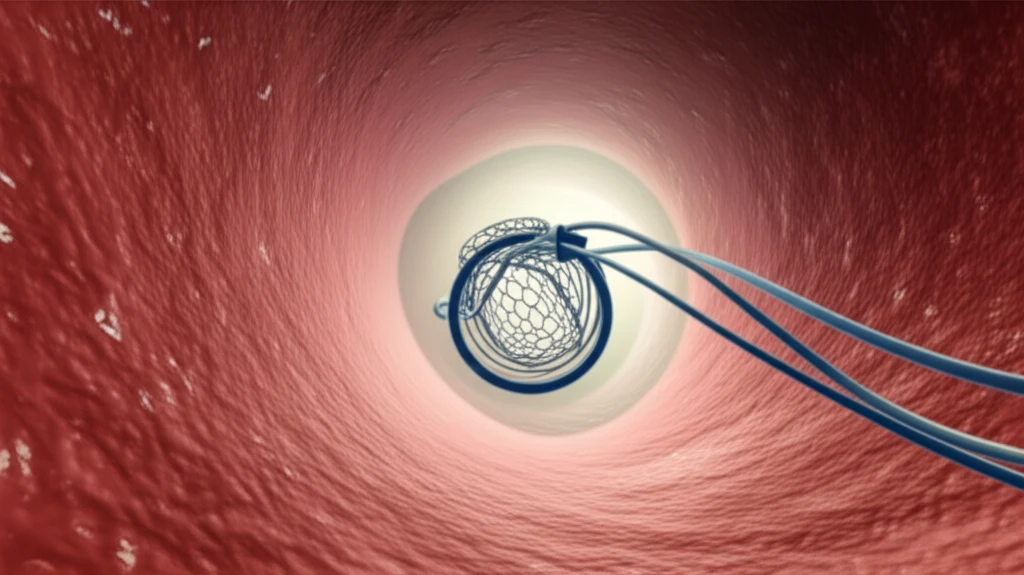
IVC Filters: Balancing Act - Benefits, Risks, and When to Remove Them

"A Deep Dive into IVC Filter Placement, Retrieval Rates, and Factors Influencing Their Use"
Inferior vena cava (IVC) filters are small devices placed in the body's largest vein (the inferior vena cava) to capture blood clots and prevent them from traveling to the lungs, which can cause pulmonary embolism (PE). These filters have become increasingly common, especially for individuals who can't take blood thinners (anticoagulants) or when blood thinners aren't enough.
Originally designed to be permanent solutions, retrievable IVC filters were introduced to provide short-term protection, especially when the risk of blood clots is temporary. The idea was simple: insert the filter when needed and remove it once the risk has passed. However, studies have revealed a concerning trend: many retrievable filters are never actually removed, leading to potential long-term complications.
This article dives into a study about IVC filters, focusing on how they're used, how often they're removed, and what factors play a role in whether or not a filter is retrieved. By understanding these aspects, we can work towards improving patient care and ensuring these devices are used effectively and safely.
Why Are IVC Filters Used and What Are the Risks of Leaving Them In?
IVC filters are primarily used to prevent pulmonary embolism (PE), a potentially life-threatening condition that occurs when a blood clot travels to the lungs. These filters are particularly beneficial for patients with venous thromboembolism (VTE) who have contraindications to anticoagulant therapy. The common indications for IVC filter insertion include:
- Filter migration (movement from its original position)
- Filter strut fracture (breaking of the filter's arms)
- Organ penetration
- Recurrent deep vein thrombosis (DVT)
- Vena cava thrombosis (clotting in the vein where the filter is placed)
The Bottom Line: Improving IVC Filter Practices
The study underscores the need for a more proactive approach to IVC filter management. Factors like a history of cerebral hemorrhage, malignancy, and admission to a non-surgical department were associated with lower retrieval rates. By addressing these issues and implementing strategies to improve retrieval rates, healthcare providers can ensure that IVC filters are used judiciously, minimizing the risk of long-term complications and optimizing patient outcomes.