
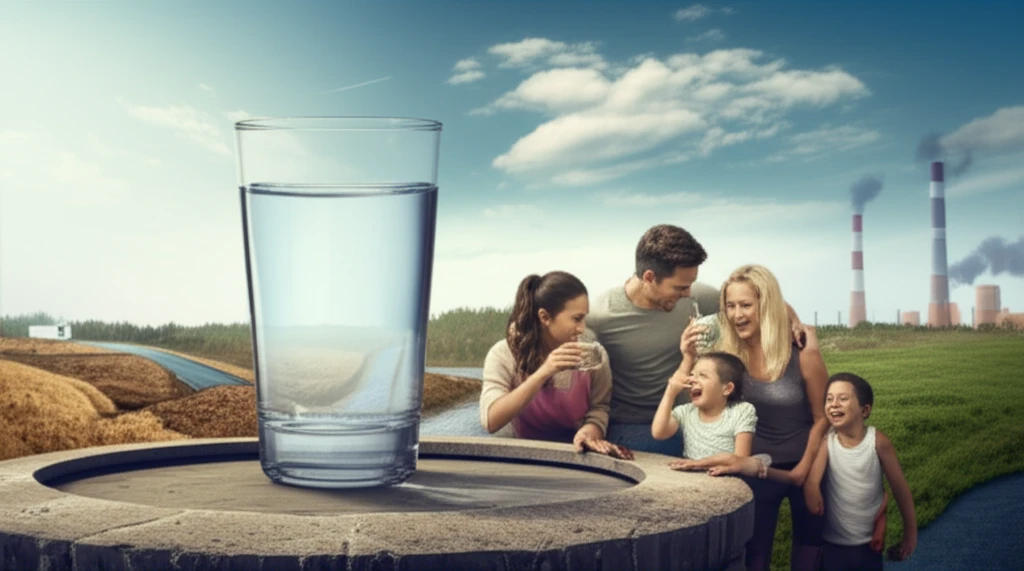
Is Your Well Water Safe? Decoding the Hidden Threats and Ensuring Clean Drinking Water

"A deep dive into the hidden world of well water contamination, exploring the risks, the science, and the steps you can take to protect your health and your family."
In today's world, we often take clean water for granted, turning on the tap without a second thought. Yet, for millions of people, especially those relying on private wells, the safety of their drinking water is far from guaranteed. Hidden threats, from bacteria to chemicals, can silently contaminate well water, posing serious risks to your health and the well-being of your family. This article delves into the often-overlooked world of well water contamination, providing you with the knowledge and tools to protect yourself.
The issue of well water safety is particularly relevant in areas where municipal water systems aren't available, or where reliance on private wells is common. Unlike public water systems, private wells are typically not subject to the same rigorous testing and regulatory oversight. This means that the responsibility for ensuring water safety falls squarely on the shoulders of the well owner. This article equips you with the information you need to take control of your water quality.
This isn't just about fear-mongering; it's about empowerment. By understanding the potential risks and knowing how to address them, you can ensure that the water you and your family drink is safe, clean, and healthy. This guide will explore the science behind well water contamination, common threats, and practical steps you can take to safeguard your water supply.
Unveiling the Culprits: Common Contaminants in Well Water
Well water can be vulnerable to various contaminants, ranging from naturally occurring substances to those introduced by human activities. Understanding these threats is the first step towards protecting your water supply. The most common contaminants include bacteria, viruses, nitrates, pesticides, and heavy metals. These substances can enter your well through various pathways, including surface runoff, leaching from septic systems, and even the geology of your area.
- Bacteria and Viruses: E. coli and other bacteria, along with viruses, can cause gastrointestinal illnesses.
- Nitrates: Excessive levels, often from fertilizers or septic systems, can be harmful, especially to infants.
- Pesticides and Herbicides: Agricultural runoff can contaminate wells with these chemicals.
- Heavy Metals: Naturally occurring or industrial pollutants can leach into well water.
Taking Action: Steps to Ensure Safe Well Water
Ensuring the safety of your well water is an ongoing process, but it's one that's well worth the effort. Regular testing, proper well maintenance, and awareness of potential contamination sources are key to protecting your family's health. The study described in the article underscores the importance of monitoring and understanding the risks associated with well water. By taking proactive steps, you can enjoy the peace of mind that comes with knowing your water is safe and clean.