
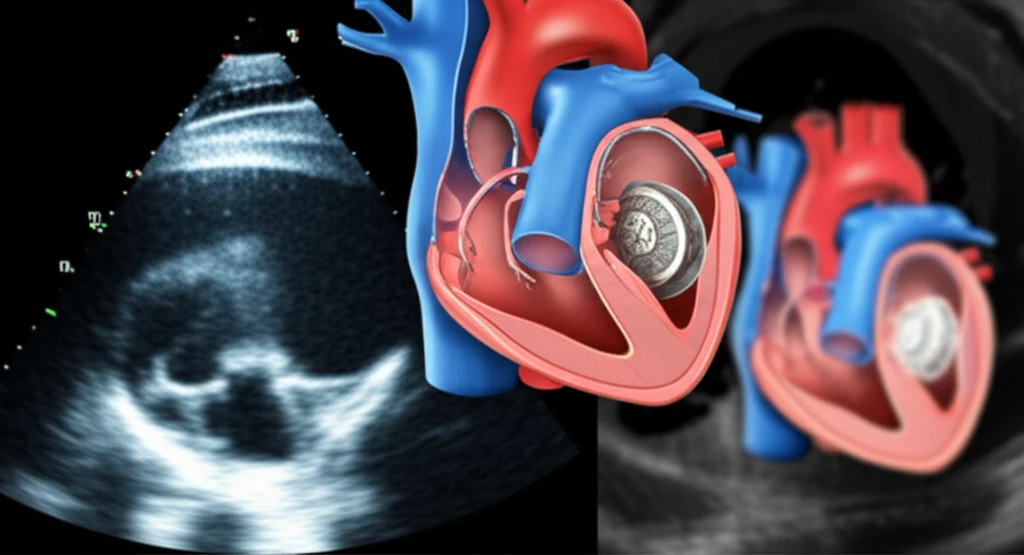
Is Your Watchman Device the Right Size? Why Precise Sizing Matters

"A deeper look into how multi-detector computed tomography (MDCT) is revolutionizing Watchman device sizing for better outcomes."
For individuals with non-valvular atrial fibrillation (AFib), the Watchman device offers a life-changing alternative to long-term anticoagulant therapy. This small, implantable device effectively reduces the risk of stroke by sealing off the left atrial appendage (LAA), where blood clots commonly form in AFib patients. However, the success of the Watchman device hinges on one critical factor: accurate sizing.
Implanting a Watchman device that is too small can lead to leaks around the device, leaving patients vulnerable to stroke. Conversely, a device that is too large can increase the risk of complications such as perforation or device migration. Therefore, determining the optimal device size is paramount for ensuring both the safety and efficacy of the procedure.
Traditionally, transesophageal echocardiography (TEE) has been the primary method for measuring the LAA before Watchman implantation. However, recent research suggests that multi-detector computed tomography (MDCT) may offer a more precise and reliable approach to device sizing, potentially leading to improved patient outcomes.
MDCT vs. TEE: Why Precision Matters in Watchman Device Sizing
A study published in the JACC ( Journal of the American College of Cardiology ) compared the effectiveness of MDCT and TEE in predicting the optimal Watchman device size. The study, titled "WATCHMAN DEVICE SIZING: IS MULTI-DETECTOR COMPUTED TOMOGRAPHY SUPERIOR TO TRANSESOPHAGEAL ECHOCARDIOGRAPHY?", involved 80 patients who underwent Watchman implantation between 2010 and 2016. Researchers analyzed pre-procedural MDCT and intra-procedural TEE measurements, correlating them with the final device size implanted.
- Reduced Risk of Complications: Accurate sizing minimizes the risk of leaks, embolization, and device migration.
- Improved Device Stability: Proper fit ensures the Watchman device remains securely in place.
- Enhanced Long-Term Outcomes: Precise sizing contributes to the long-term effectiveness of the Watchman device in stroke prevention.
The Future of Watchman Device Implantation: A Focus on Precision
The findings of this study underscore the importance of utilizing advanced imaging techniques like MDCT in Watchman device implantation. By providing a more accurate assessment of the LAA dimensions, MDCT can help physicians select the optimal device size, minimizing the risk of complications and maximizing the long-term benefits for patients with atrial fibrillation. As technology continues to evolve, a focus on precision and individualized treatment strategies will undoubtedly lead to even better outcomes in the field of stroke prevention.