
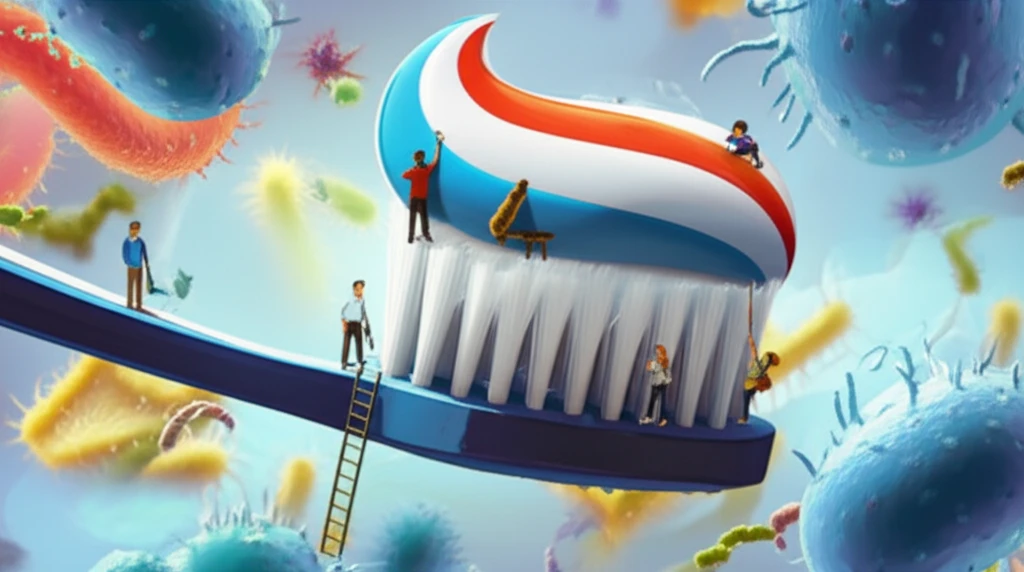
Illustration depicting a giant toothbrush with toothpaste and miniature people, symbolizing the study on toothpaste contamination

Is Your Toothpaste Clean? The Shocking Truth About Microbiological Contamination in Dental Products

"Unveiling the hidden risks in your daily oral hygiene routine and what you can do to protect yourself."


We all strive for a bright, healthy smile, meticulously brushing our teeth twice a day, hoping to ward off cavities and keep our breath fresh. But what if the very products we rely on for oral hygiene harbor hidden dangers? A recent study has brought to light a concerning issue: the potential for microbiological contamination in toothpaste and dental gels.

This isn't just about a bit of bacteria; it's about the potential for serious health problems, especially for those with weakened immune systems. From the common cold to more severe conditions, our oral health is a gateway to our overall well-being. Therefore, the quality of products we use daily is important for us.

This article delves into the findings of this study, revealing the extent of the problem and offering actionable advice on how to protect yourself. Learn about the specific contaminants found, the risks they pose, and how to make informed choices for a healthier smile and a safer oral care routine.

The Unseen Threats: What's Lurking in Your Toothpaste?

Illustration depicting a giant toothbrush with toothpaste and miniature people, symbolizing the study on toothpaste contamination

The study examined various commercially available toothpaste and dental gels, searching for microbiological contaminants. The results were, frankly, alarming. A significant percentage of the products tested showed signs of contamination, exceeding the safety limits set by health standards. The presence of bacteria and fungi in these products raises serious concerns.

The research, published in the Revista de Odontologia da UNESP, analyzed 21 samples of toothpaste and dental gels for the presence of bacteria and fungi. The study found that a number of the products exceeded acceptable limits. These findings should prompt a closer look at what we put in our mouths every day.

  • Bacterial Growth: Some samples showed bacterial contamination levels above the limits set by the Brazilian Pharmacopoeia.
  • Fungal Contamination: A notable percentage of samples contained fungi, with some exceeding acceptable safety thresholds.
  • Absence of Dangerous Pathogens: Fortunately, the study did not detect the presence of harmful pathogens such as E. coli, Salmonella, or S. aureus.
These findings underscore the importance of paying attention to the quality and safety of the products we use daily. While the absence of specific dangerous pathogens is reassuring, the presence of general contamination indicates potential issues with manufacturing processes and quality control.

Protecting Your Smile and Your Health

The findings of this study are a call to action for both consumers and manufacturers. By staying informed and making smart choices, we can all contribute to a safer, healthier oral care routine. Remember, a healthy smile is a gateway to overall well-being, and it starts with the products we trust.

About this Article -

This article was crafted using a human-AI hybrid and collaborative approach. AI assisted our team with initial drafting, research insights, identifying key questions, and image generation. Our human editors guided topic selection, defined the angle, structured the content, ensured factual accuracy and relevance, refined the tone, and conducted thorough editing to deliver helpful, high-quality information.See our About page for more information.

This article is based on research published under:

DOI-LINK: 10.1590/1807-2577.10315, Alternate LINK

Title: Análise Da Contaminação Microbiológica De Diferentes Dentifrícios

Subject: General Medicine

Journal: Revista de Odontologia da UNESP

Publisher: FapUNIFESP (SciELO)

Authors: Letícia Selbach De Oliveira, Luciana Grazziotin Rossato, Charise Dallazem Bertol

Published: 2016-01-26

Everything You Need To Know

1

What type of microbiological contamination was found in the tested toothpaste and dental gels?

The study published in the Revista de Odontologia da UNESP revealed the presence of bacterial and fungal contamination in several toothpaste and dental gel samples. While specific dangerous pathogens like *E. coli*, *Salmonella*, and *S. aureus* were not detected, the presence of general bacterial and fungal growth exceeded acceptable safety limits set by the Brazilian Pharmacopoeia in some products. This indicates potential issues with manufacturing and quality control, even if the most harmful pathogens weren't present.

2

Why is microbiological contamination in oral hygiene products a concern?

Microbiological contamination in toothpaste and dental gels is concerning because our oral health is directly linked to our overall well-being. The mouth serves as a gateway to the body, and introducing even non-specific bacteria or fungi can lead to health problems, especially for individuals with weakened immune systems. While the tested samples didn't contain dangerous pathogens, the presence of other microbes signifies a risk, highlighting the importance of product quality and safety.

3

Where was the study on toothpaste contamination published?

The study that examined the microbiological contamination in toothpaste and dental gels was published in the Revista de Odontologia da UNESP. This publication makes the research accessible to other scientists and healthcare professionals, contributing to a broader understanding of oral hygiene product safety.

4

What are the implications of bacterial and fungal contamination in toothpaste, considering the absence of specific dangerous pathogens?

Even though the study in Revista de Odontologia da UNESP, did not find dangerous pathogens such as *E. coli*, *Salmonella*, or *S. aureus*, the presence of bacterial and fungal contamination in toothpaste still raises concerns. These contaminants indicate potential issues with the manufacturing process, quality control, or storage conditions of the products. While the immediate risk might be lower than if dangerous pathogens were present, long-term exposure to even low levels of bacteria and fungi could disrupt the oral microbiome or pose risks to individuals with compromised immune systems. Furthermore, the presence of any contamination suggests a failure in the product's safety standards, which warrants attention and corrective action from manufacturers.

5

What steps can consumers take to protect themselves from potentially contaminated toothpaste and dental gels, given the findings of microbiological contamination?

Given the findings of microbiological contamination in toothpaste and dental gels, consumers should prioritize making informed choices about their oral care products. Look for products from reputable manufacturers with stringent quality control measures. Check for seals of approval from dental associations and be mindful of expiration dates. If a product exhibits any unusual appearance, smell, or texture, discontinue use. While the study did not elaborate on specific brands or ingredients to avoid, staying informed about product recalls and health advisories related to oral care products can help minimize the risk of exposure to contaminated items. Maintain proper oral hygiene practices, such as storing toothpaste in a clean, dry place and avoiding cross-contamination between family members' products.

Newsletter Subscribe

Subscribe to get the latest articles and insights directly in your inbox.