
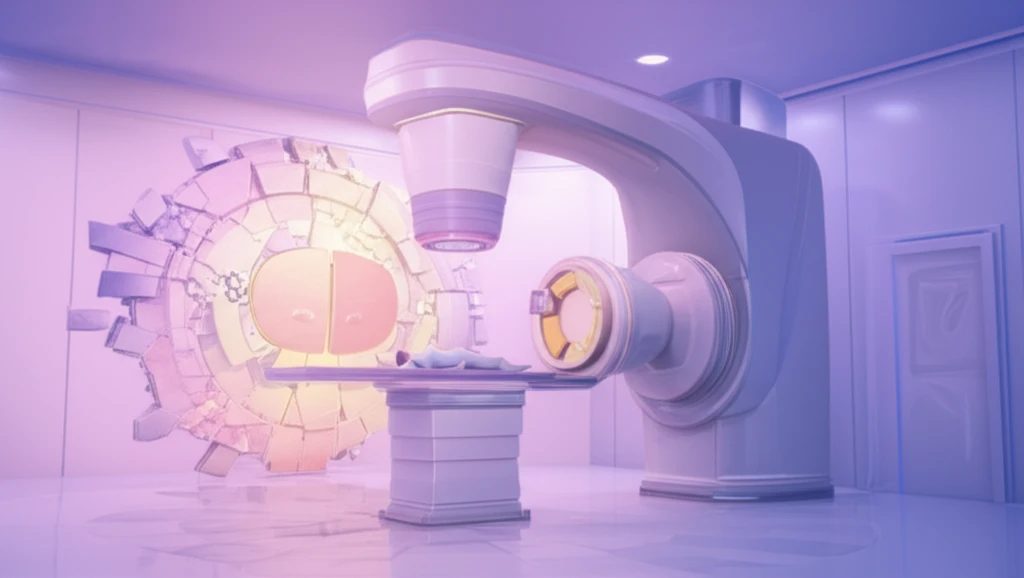
Is Your Radiation Therapy Safe? A Simple Guide to FMEA

"Discover how Failure Mode and Effect Analysis (FMEA) can help improve safety in radiation therapy for better patient outcomes."
Radiation therapy has evolved significantly over the past two decades, becoming a cornerstone in cancer treatment. However, this progress introduces complexities that demand rigorous attention to patient safety. As treatments like intensity-modulated radiotherapy (IMRT) become more common, healthcare providers need innovative approaches to proactively identify and mitigate potential risks.
One such method gaining traction is Failure Mode and Effect Analysis (FMEA). Originally developed for high-risk industries, FMEA is now being recognized as a powerful tool in radiation oncology. It provides a structured approach to anticipate potential hazards, ensuring that treatments are not only effective but also as safe as possible.
This article delves into how FMEA can be applied to enhance the safety of radiation therapy. We’ll explore what FMEA is, how it works, and why it’s essential for modern cancer treatment centers. Whether you're a healthcare professional or a patient, understanding FMEA can provide reassurance and improve confidence in the treatment process.
What is Failure Mode and Effect Analysis (FMEA)?
Failure Mode and Effect Analysis (FMEA) is a systematic, proactive method used to identify and evaluate potential failures in a process, design, or system. Its primary goal is to pinpoint how failures can occur and what effects these failures might have. By understanding these risks, steps can be taken to minimize or eliminate them, enhancing overall safety and reliability.
- Failure Mode: This refers to the way in which a process or component might fail. Examples in radiation therapy could include incorrect patient positioning or errors in treatment planning.
- Effect Analysis: This involves assessing the consequences of each failure mode. What impact would the failure have on the patient, the treatment process, or the overall outcome?
- Risk Priority Number (RPN): This is a metric used to rank the severity of potential failures. The RPN is calculated by multiplying three factors:
- Occurrence (O): How likely is the failure to occur?
- Severity (S): How severe would the consequences be if the failure occurred?
- Detectability (D): How easily can the failure be detected before it causes harm?
Moving Forward: Improving Safety in Radiation Therapy
The proactive application of FMEA represents a significant step forward in enhancing the safety and effectiveness of radiation therapy. By systematically identifying and mitigating potential risks, healthcare providers can ensure better outcomes and increased peace of mind for patients. As technology evolves, integrating FMEA into routine clinical practice will become increasingly essential for maintaining the highest standards of care.