
Is Your Hospital Really Clean? Unveiling the Truth About Surface Hygiene

"A groundbreaking study reveals the surprising levels of contamination on hospital surfaces and what it means for your health."
Hospitals are meant to be places of healing, but beneath the surface lurks a hidden reality: the potential for contamination. While medical professionals focus on treating illnesses, the cleanliness of the surrounding environment often goes unnoticed. But what if the very surfaces designed to promote recovery were harboring harmful pathogens?
A recent study, presented at a medical conference, sheds light on this critical issue. Researchers investigated the cleanliness of high-touch surfaces and shared equipment in hospitals, revealing some unsettling truths. The findings highlight the urgent need for improved hygiene practices to safeguard patient health.
This article dives deep into the study's methods, results, and implications. We'll explore which surfaces are most likely to harbor contaminants, why this matters, and what steps can be taken to create a cleaner, safer hospital environment for everyone.
The Invisible Threat: Understanding Surface Contamination in Hospitals
Healthcare-associated infections (HAIs) are a significant concern in hospitals. These infections can prolong hospital stays, increase treatment costs, and even lead to serious complications. While direct patient-to-patient transmission is a well-known risk, contaminated environmental surfaces and shared equipment also play a crucial role in spreading pathogens.
- Bed rails: Offering support, but also a prime spot for germs due to frequent touching.
- Callbox/remotes: Essential for communication, yet often overlooked during cleaning.
- Toilet flush handles: Obvious culprits, yet consistently high in contamination.
- Patient telephones: A direct line to the outside world, and a breeding ground for bacteria.
- Visitor chairs: Welcoming guests, but also potential carriers of unwanted pathogens.
Taking Action: Improving Hospital Hygiene for a Safer Future
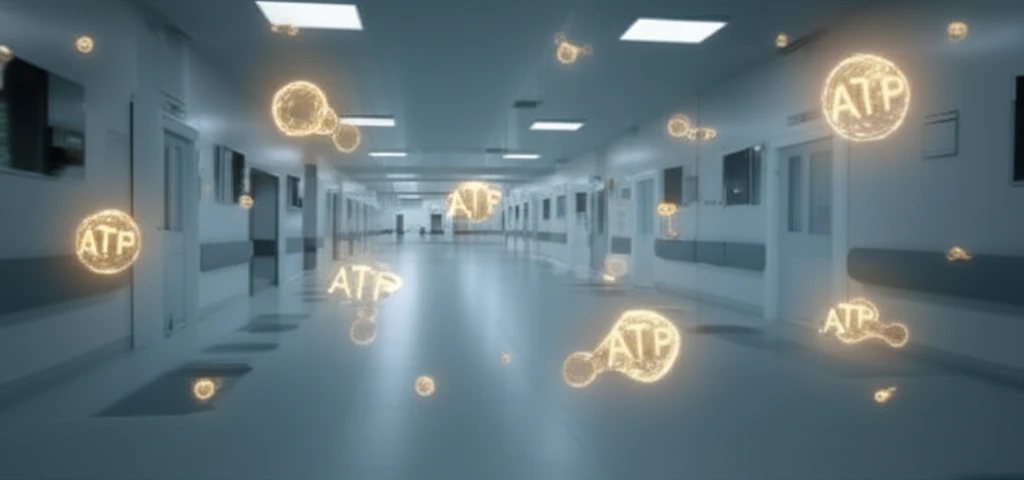
The study's findings serve as a wake-up call for hospitals to prioritize surface hygiene. While the presence of contamination in patient rooms is almost inevitable, the extent of the problem demands attention. By implementing robust cleaning protocols, investing in staff training, and utilizing monitoring systems like ATP testing, hospitals can create a safer environment for patients, visitors, and healthcare workers alike. The ultimate goal is to minimize the risk of HAIs and ensure that hospitals truly live up to their mission of healing and well-being.