
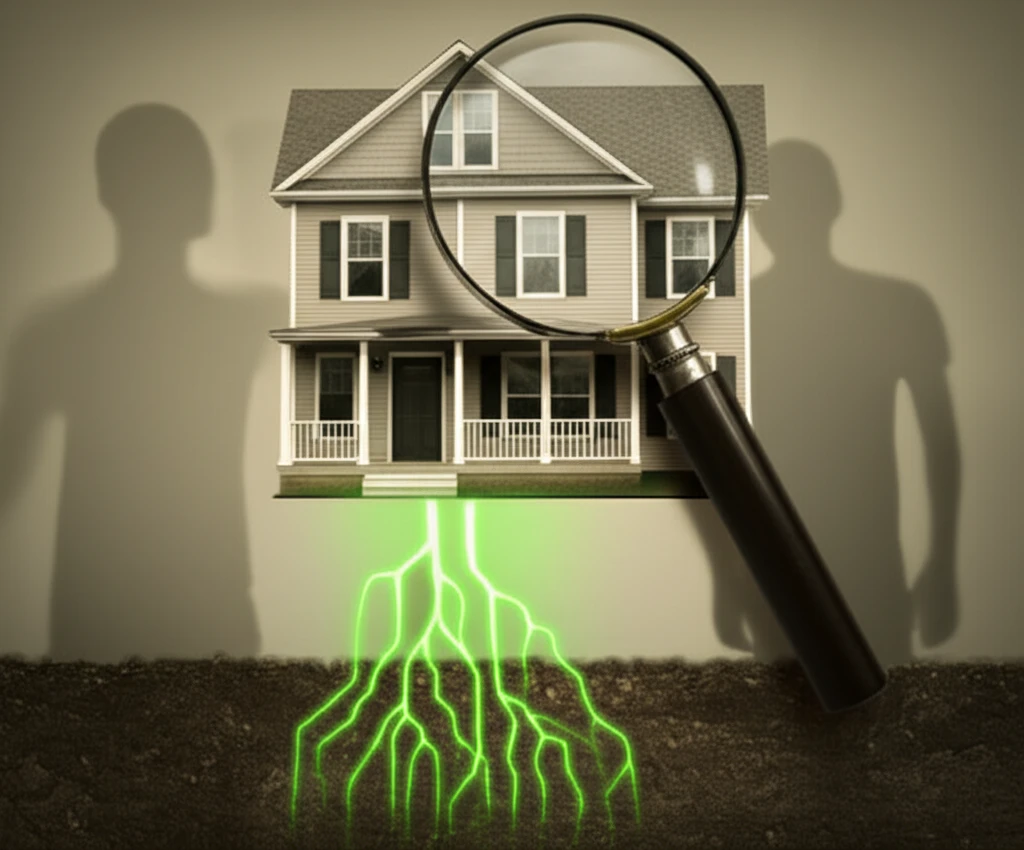
Illustration of a house with radon gas emanating, representing the invisible threat

Is Your Home Safe? Understanding and Mitigating the Silent Threat of Radon

"Unveiling the Invisible Danger: A Guide to Radon Awareness, Risks, and Protective Measures"


Radon, an invisible, odorless gas, silently infiltrates homes across the globe, posing a significant threat to human health. Often overlooked, radon is the leading cause of lung cancer among non-smokers, making it a crucial public health concern. Understanding the risks and taking proactive measures can protect you and your family from this invisible hazard.

This article dives deep into the world of radon, explaining its origins, the health effects of prolonged exposure, and effective strategies for detection and mitigation. Whether you're a homeowner, renter, or simply concerned about your health, this guide provides the knowledge and tools you need to make informed decisions about radon.

We'll explore the science behind radon, the ways it enters your home, and the simple yet effective steps you can take to reduce your risk. From understanding the importance of testing to implementing mitigation strategies, this guide is your essential resource for ensuring a healthy living environment.

Radon: The Invisible Threat and Its Impact on Health

Illustration of a house with radon gas emanating, representing the invisible threat

Radon is a naturally occurring radioactive gas formed by the breakdown of uranium in soil, rock, and water. It's a noble gas, meaning it's inert and doesn't chemically react with other substances, making it undetectable by human senses. Radon can seep into buildings through cracks in foundations, gaps around pipes, and other openings.

The primary health risk associated with radon exposure is lung cancer. When inhaled, radon and its decay products emit alpha particles that can damage lung tissue. The EPA estimates that radon is responsible for about 21,000 lung cancer deaths in the United States each year. The risk of lung cancer increases with both the level of radon exposure and the duration of exposure.

  • Understanding the Health Risks: Recognizing that long-term exposure to elevated levels of radon significantly increases the risk of lung cancer.
  • The Science Behind Radon: Grasping how radon originates from the natural decay of uranium in soil, rock, and water, and understanding its properties as an inert gas.
  • The Silent Danger: Recognizing radon as an invisible, odorless gas that poses a serious threat to health due to its radioactive nature.
Even at low levels, prolonged exposure to radon can increase the risk. Smoking combined with radon exposure significantly increases the risk of lung cancer, acting synergistically to amplify the danger. Therefore, it's essential to be aware of radon levels in your home and take appropriate action.

Protecting Your Home and Health: Taking Action Against Radon

By understanding the risks of radon and taking proactive steps, you can safeguard your health and create a safer living environment. Regular testing, effective mitigation, and ongoing awareness are key to minimizing your exposure to this invisible threat. Remember, taking action today can protect your health and ensure a healthier future for you and your loved ones.

About this Article -

This article was crafted using a human-AI hybrid and collaborative approach. AI assisted our team with initial drafting, research insights, identifying key questions, and image generation. Our human editors guided topic selection, defined the angle, structured the content, ensured factual accuracy and relevance, refined the tone, and conducted thorough editing to deliver helpful, high-quality information.See our About page for more information.

This article is based on research published under:

DOI-LINK: 10.1093/rpd/ncy096, Alternate LINK

Title: Radon Risk Communication In Bulgaria

Subject: Public Health, Environmental and Occupational Health

Journal: Radiation Protection Dosimetry

Publisher: Oxford University Press (OUP)

Authors: Galina Makedonska, Jana Djounova, Kremena Ivanova

Published: 2018-06-13

Everything You Need To Know

1

What exactly is radon and why is it considered a health hazard inside homes?

Radon is a naturally occurring radioactive gas that forms when uranium breaks down in soil, rock, and water. Because it's a noble gas, it is inert, odorless, and invisible, making it undetectable without testing. It seeps into homes through cracks and openings in the foundation. The primary health risk is lung cancer because when radon and its decay products are inhaled, they emit alpha particles that can damage lung tissue. Prolonged exposure, even at low levels, elevates this risk. Smoking, combined with radon exposure, significantly increases lung cancer risk.

2

How does radon get into my home, and what makes certain homes more vulnerable?

Radon enters homes through cracks in foundations, gaps around pipes, and other openings that contact the soil. Any home is potentially vulnerable, regardless of age or construction. The amount of uranium in the soil beneath a home is the primary factor determining radon levels. Homes with dirt floors or crawl spaces may have higher infiltration rates. Air pressure differences between the inside and outside of the home can also draw radon gas indoors. Proper sealing of cracks and openings in the foundation is essential for mitigating radon entry.

3

What are the long-term health implications of radon exposure, and who is most at risk?

The primary health implication of long-term radon exposure is lung cancer. The EPA estimates that radon is responsible for approximately 21,000 lung cancer deaths each year in the United States. Smokers exposed to radon have a significantly elevated risk because of the synergistic effect of tobacco smoke and radon. Children are also potentially more vulnerable due to their higher respiration rates and developing lungs. It's vital to monitor radon levels and take appropriate mitigation steps to reduce exposure and protect health.

4

What practical steps can homeowners take to test for radon and mitigate its presence in their homes?

Homeowners can test for radon using DIY kits or by hiring a certified radon professional. These tests measure radon levels in the air over a specific period, typically a few days. If the radon level exceeds the EPA's action level, which is 4 picocuries per liter (pCi/L), mitigation is recommended. Mitigation methods include sealing cracks and openings in the foundation, installing a radon mitigation system that vents the gas outside the home, and increasing ventilation. Regular re-testing is advised after mitigation to ensure the system is working correctly.

5

Why is radon often called a 'silent threat,' and what are the broader implications for public health and awareness?

Radon is called a 'silent threat' because it's an invisible, odorless, and tasteless gas, making it undetectable without testing. This lack of immediate sensory warning means individuals can be exposed for extended periods without knowing, increasing their lung cancer risk. The broader public health implications are significant, given that radon is the leading cause of lung cancer among non-smokers. Raising awareness through educational campaigns, promoting regular testing, and ensuring affordable mitigation options are vital to reduce the public health burden. Increased awareness will also help influence policies related to building codes and environmental regulations, further minimizing radon exposure.

Newsletter Subscribe

Subscribe to get the latest articles and insights directly in your inbox.