
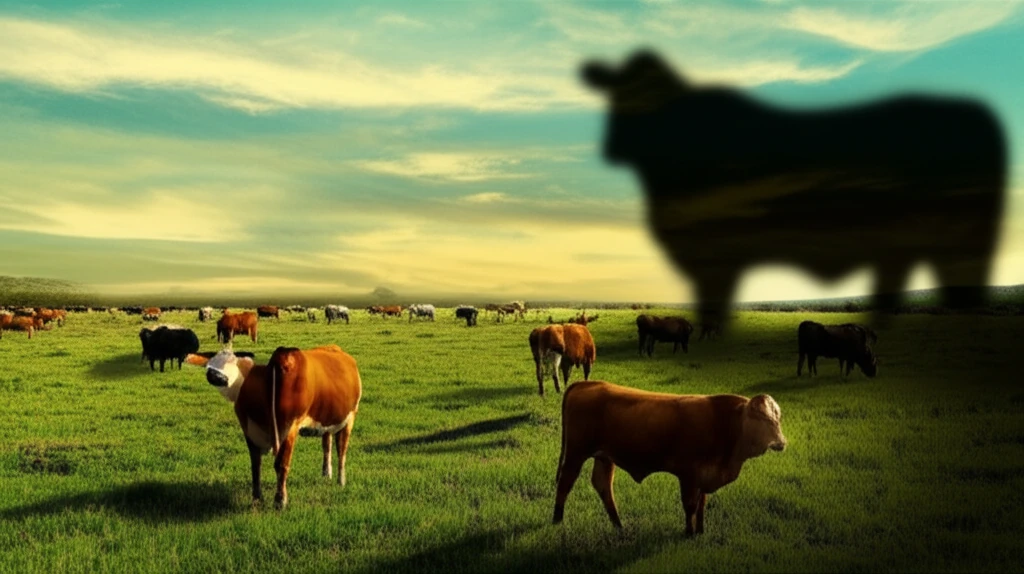
Cattle herd in Bahia, Brazil, facing the threat of bovine tuberculosis.

Is Your Herd at Risk? Understanding Bovine Tuberculosis in Brazil

"A new study sheds light on the risk of introducing bovine tuberculosis into TB-free cattle herds in Southern Bahia, Brazil, and what it means for farmers and public health."


Bovine tuberculosis (TB) is a persistent and complex zoonotic disease that poses a significant threat to both animal and human health, particularly in regions where it's endemic. Brazil, a major player in the global cattle market, grapples with the economic and public health burdens of TB, impacting trade and farm profitability. Understanding the dynamics of TB transmission and implementing effective control strategies are crucial for protecting the livelihoods of farmers and ensuring food safety.

A recent study focused on Southern Bahia, Brazil, a key dairy region, sought to quantify the risk of TB introduction into TB-free herds. By assessing the pathways through which the disease could spread, particularly via the movement of live cattle, the researchers aimed to provide valuable insights for veterinary authorities and farmers alike. The study highlights the importance of compliance with regulations and strategic surveillance in minimizing the risk of TB outbreaks.

This article breaks down the findings of this research, making it accessible to farmers, ranchers, and anyone involved in the cattle industry. We'll explore the key risk factors, the impact of illegal cattle movement, and the practical steps that can be taken to protect your herd and contribute to the long-term goal of TB eradication in Brazil.

Unveiling the Hidden Risks: How TB Spreads

Cattle herd in Bahia, Brazil, facing the threat of bovine tuberculosis.

The study pinpointed animal movement as a primary pathway for TB introduction. While legal cattle trade is subject to testing and regulations, the research revealed a startling truth: illegal movements account for a staggering 90% of the risk. This highlights the critical need for stricter enforcement and increased awareness among farmers about the consequences of bypassing official channels.

Researchers used a stochastic quantitative risk assessment, a method that models the probability of different outcomes, to estimate the risk of TB introduction. They considered several factors, including:

  • The prevalence of TB in the region of origin of the cattle.
  • The probability of an infected animal being present on a farm.
  • The sensitivity of the diagnostic tests used to detect TB.
  • The number of animals legally and illegally moved into TB-free herds.
The results indicated that the annual risk of introducing TB into free farms in Southern Bahia, even through illegal trade of live cattle, is very low (varying between 0.001 and 0.006). This might sound reassuring, but even a small risk can have significant consequences, especially for individual farmers and the overall dairy industry. Furthermore, the low risk is predicated on current conditions; any relaxation of controls could quickly change the situation.

Protecting Your Herd: Practical Steps for Farmers

The study underscores that disease eradication requires vigilance and proactive measures. Farmers are key players in controlling TB and should:

<ul> <li>Adhere strictly to official regulations regarding cattle movement and testing.</li> <li>Source animals only from trusted, TB-free certified farms.</li> <li>Implement robust biosecurity measures on your farm to prevent the introduction of disease.</li> <li>Cooperate with veterinary authorities and participate in surveillance programs.</li> </ul>

By working together, veterinary authorities, farmers, and other stakeholders can strengthen TB control efforts, protect the health of cattle, and safeguard the economic vitality of Brazil's dairy industry. Continued research and improved data collection are also essential for refining risk assessments and tailoring control strategies to specific regions and production systems.

About this Article -

This article was crafted using a human-AI hybrid and collaborative approach. AI assisted our team with initial drafting, research insights, identifying key questions, and image generation. Our human editors guided topic selection, defined the angle, structured the content, ensured factual accuracy and relevance, refined the tone, and conducted thorough editing to deliver helpful, high-quality information.See our About page for more information.

This article is based on research published under:

DOI-LINK: 10.3389/fvets.2018.00230, Alternate LINK

Title: Risk Of Introduction Of Bovine Tuberculosis (Tb) Into Tb-Free Herds In Southern Bahia, Brazil, Associated With Movement Of Live Cattle

Subject: General Veterinary

Journal: Frontiers in Veterinary Science

Publisher: Frontiers Media SA

Authors: Luciana N. Avila, Vitor S. P. Gonçalves, Andres M. Perez

Published: 2018-10-02

Everything You Need To Know

1

What is Bovine tuberculosis, and why is it a concern?

Bovine tuberculosis (TB) is a complex zoonotic disease that affects both cattle and humans. It's a significant threat because it impacts animal health, human health, and the economy. In the context of the Brazilian cattle industry, TB poses a challenge to trade and farm profitability. It highlights the importance of effective control strategies to protect farmers and ensure food safety, particularly in regions like Southern Bahia.

2

How does Bovine tuberculosis spread, according to the study?

The study identified animal movement as the primary pathway for spreading Bovine tuberculosis (TB). While legal cattle trade is subject to regulations, illegal movements pose the greatest risk, accounting for 90% of the risk of TB introduction. This emphasizes the need for strict enforcement and increased awareness among farmers about the consequences of bypassing official channels.

3

What methodology did the researchers use to assess the risk of Bovine tuberculosis?

Researchers employed a stochastic quantitative risk assessment. This method helped them model the probability of different outcomes related to Bovine tuberculosis (TB) introduction. They considered factors such as TB prevalence, the probability of infected animals, the sensitivity of diagnostic tests, and the number of animals moved. This approach allowed for a comprehensive understanding of the risk.

4

What is the risk of Bovine tuberculosis introduction in Southern Bahia?

The study found that the annual risk of introducing Bovine tuberculosis (TB) into TB-free farms in Southern Bahia is low, ranging from 0.001 to 0.006, even with illegal cattle trade. However, this low risk relies on current conditions. Relaxing controls could quickly worsen the situation. Even a small risk can have significant consequences for individual farmers and the dairy industry.

5

What practical steps can farmers take to protect their herds from Bovine tuberculosis?

Farmers should take proactive steps to control Bovine tuberculosis (TB). This includes strict compliance with regulations, implementing strategic surveillance programs, and being vigilant about the source and health status of purchased cattle. Farmers should be aware of the dangers and consequences of illegal movement of live cattle. By following these measures, farmers can protect their herds and contribute to the long-term goal of TB eradication in Brazil.

Newsletter Subscribe

Subscribe to get the latest articles and insights directly in your inbox.