
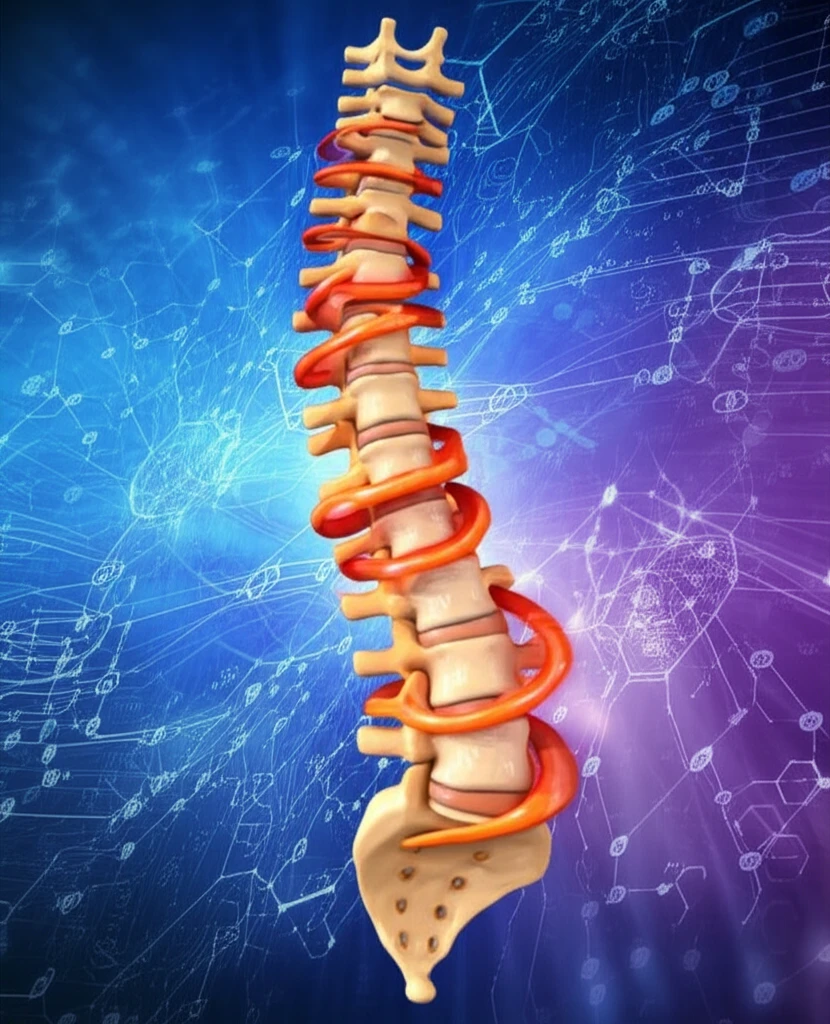
Illustration of spine intertwined with visceral fat, symbolizing spinal health and visceral fat accumulation.

Is Your Back Pain More Than Just a Strain? The Hidden Link Between Visceral Fat and Spinal Health

"Uncover how excess visceral fat could be contributing to lumbar epidural lipomatosis and what you can do about it."


Back pain is a common complaint, often dismissed as a simple strain or the result of poor posture. However, sometimes, there's more to it than meets the eye. Lumbar epidural lipomatosis (LEL) is a condition characterized by an excessive accumulation of fat in the spinal canal, leading to discomfort and neurological symptoms. While seemingly isolated, recent research indicates a significant link between LEL and the less visible but equally concerning visceral fat, the type of fat that accumulates deep within the abdominal cavity, surrounding vital organs.

This connection between LEL and visceral fat is more than just a coincidence; it's a reflection of underlying metabolic imbalances that can significantly impact your overall health. Understanding this relationship is the first step toward managing not only back pain but also the associated risks of metabolic syndrome.

This article will explain the findings of a detailed study into LEL and its connection with visceral fat, offering insights into how these seemingly separate issues are intertwined. We will further provide actions you can take to address both your back pain and the underlying metabolic factors that contribute to it.

What is Lumbar Epidural Lipomatosis (LEL)?

Illustration of spine intertwined with visceral fat, symbolizing spinal health and visceral fat accumulation.

Lumbar epidural lipomatosis occurs when there's an overgrowth of fat tissue in the epidural space, the area surrounding the spinal cord. This excess fat can compress the spinal cord and nerves, leading to a range of symptoms, including:

Recognizing these symptoms and understanding that they might stem from more than just a typical back issue is crucial for early diagnosis and effective management.

  • Persistent lower back pain
  • Numbness or tingling in the legs and feet
  • Pain that radiates down the legs (sciatica)
  • Weakness in the legs
  • In severe cases, bowel or bladder dysfunction
While LEL can sometimes be caused by external factors like long-term steroid use or endocrine disorders, many cases are idiopathic, meaning they arise without a clear, identifiable cause. Recent research is pointing towards metabolic factors, particularly the accumulation of visceral fat, as a significant contributor to these idiopathic cases.

Taking Control of Your Spinal Health

The connection between visceral fat, metabolic health, and conditions like lumbar epidural lipomatosis is becoming increasingly clear. By focusing on lifestyle changes that reduce visceral fat and improve metabolic function, you can take proactive steps toward managing back pain and enhancing your overall well-being. It is recommended to consult with your healthcare provider to tailor a plan that addresses your specific needs and health status. By staying informed and proactive, you can protect your spinal health and enjoy a more active, pain-free life.

About this Article -

This article was crafted using a human-AI hybrid and collaborative approach. AI assisted our team with initial drafting, research insights, identifying key questions, and image generation. Our human editors guided topic selection, defined the angle, structured the content, ensured factual accuracy and relevance, refined the tone, and conducted thorough editing to deliver helpful, high-quality information.See our About page for more information.

Everything You Need To Know

1

What is Lumbar Epidural Lipomatosis (LEL)?

Lumbar epidural lipomatosis (LEL) is a condition where an excessive amount of fat accumulates in the epidural space, which is the area around the spinal cord. This overgrowth of fat can put pressure on the spinal cord and nerves, leading to various symptoms.

2

What is visceral fat, and why is it important?

Visceral fat is the type of fat stored deep within the abdominal cavity, surrounding vital organs. The significance lies in its connection to metabolic imbalances, and its accumulation is linked to conditions like Lumbar epidural lipomatosis (LEL). High levels of visceral fat can increase the risk of LEL and potentially worsen back pain, as well as other health risks.

3

What are the symptoms of Lumbar Epidural Lipomatosis (LEL)?

The symptoms of Lumbar epidural lipomatosis (LEL) can include persistent lower back pain, numbness or tingling in the legs and feet, pain radiating down the legs (sciatica), weakness in the legs, and in severe cases, bowel or bladder dysfunction. It's important to recognize these symptoms because they may indicate a more serious underlying condition than a simple back strain, warranting early diagnosis and management.

4

What causes Lumbar Epidural Lipomatosis (LEL)?

While some cases of Lumbar epidural lipomatosis (LEL) are linked to external factors, many are idiopathic, meaning they have no clear cause. Recent research suggests a strong link between LEL and metabolic factors, especially the accumulation of visceral fat. Managing visceral fat and improving metabolic health is therefore crucial to mitigating the underlying causes of LEL.

5

How can someone manage Lumbar Epidural Lipomatosis (LEL) and related back pain?

To manage Lumbar epidural lipomatosis (LEL), it is recommended to focus on lifestyle changes that reduce visceral fat and improve metabolic function. This might include dietary adjustments, regular exercise, and consulting with a healthcare provider to tailor a plan that addresses specific health needs. This proactive approach can help manage back pain and enhance overall well-being by addressing underlying metabolic factors.

Newsletter Subscribe

Subscribe to get the latest articles and insights directly in your inbox.