
Is Titanium Dioxide in Your Food Harming Your Gut? What You Need to Know

"A deep dive into how this common food additive could be triggering inflammation and what it means for your health."
In today's world, we're constantly exposed to a variety of particles through the air we breathe, the products we use, and especially the food we eat. Among these, titanium dioxide (TiO2) stands out as a frequently used additive. Known for its bright white color, TiO2 is commonly used in paints, plastics, cosmetics, and even many of our favorite foods. It acts as an anti-caking agent and a colorant, making everything from candies to coffee creamers look more appealing.
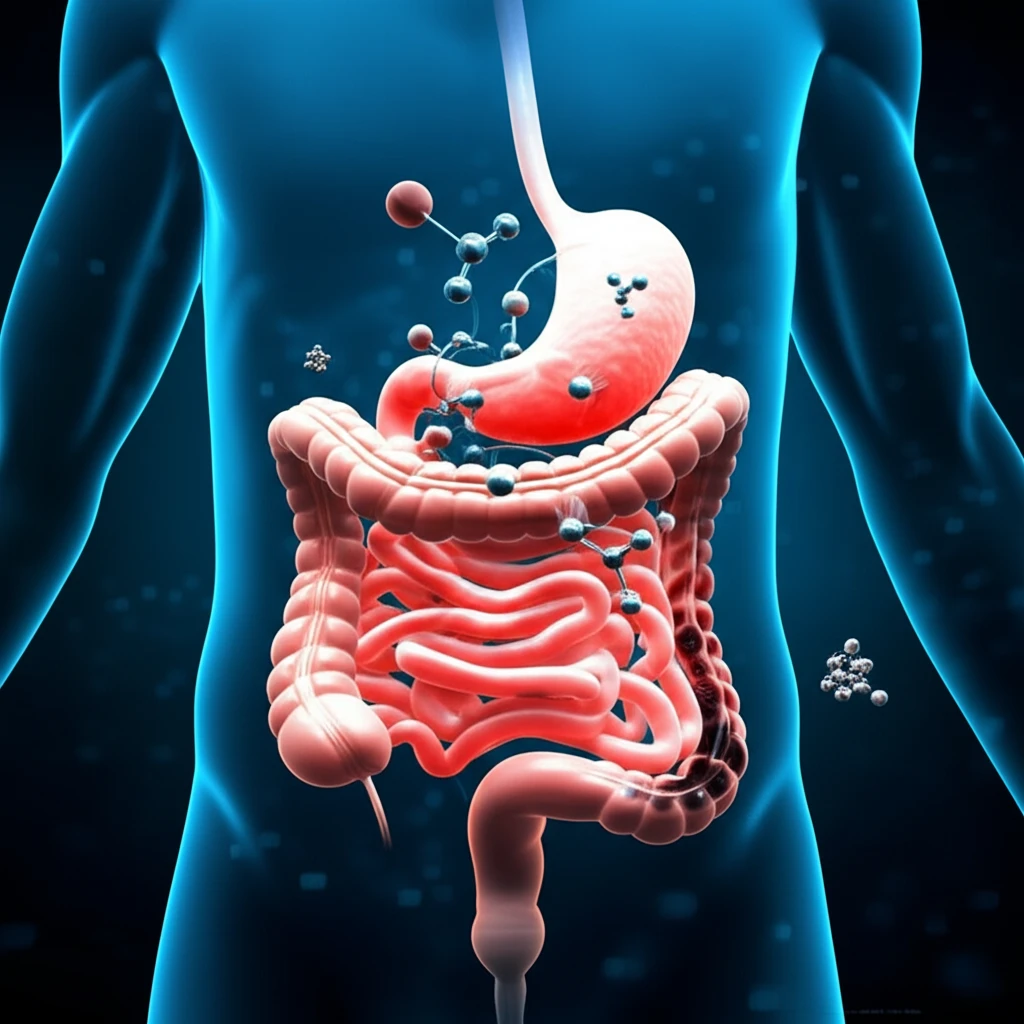
While TiO2 is approved for use in many products, recent studies have started to question its safety, particularly concerning its impact on our gut health. The gastrointestinal tract is continuously exposed to TiO2 particles, and understanding how these particles interact with our digestive system is becoming increasingly important. This is especially relevant given that these particles can accumulate in the intestines and potentially trigger inflammatory responses.
This article dives deep into the emerging research on titanium dioxide, exploring its potential effects on gut inflammation and overall health. We'll break down the science, look at real-world studies, and offer practical advice on how to minimize your exposure. Whether you're dealing with digestive issues or just keen on making informed dietary choices, this guide will equip you with the knowledge you need to protect your gut.
The Dual Nature of Titanium Dioxide: Micro vs. Nano
Titanium dioxide comes in different forms, mainly classified by size: microparticles (MPs) and nanoparticles (NPs). Microparticles range in diameter from 0.1 to 1.0 micrometers, while nanoparticles are smaller, measuring less than 100 nanometers. This size difference isn't just a technicality; it can significantly impact how these particles behave in our bodies.
- Increased Absorption: Nanoparticles, due to their smaller size, can be more easily absorbed into the body's tissues and cells compared to microparticles.
- Enhanced Reactivity: The high surface area-to-volume ratio of nanoparticles can lead to increased chemical reactivity, potentially causing oxidative stress and inflammation.
- Accumulation Potential: Once absorbed, nanoparticles may accumulate in various organs, leading to long-term exposure and potential health issues.
Making Informed Choices for a Healthier Gut
While the research on titanium dioxide is still evolving, the existing evidence suggests that being mindful of our exposure is a prudent step. By staying informed and making conscious choices, we can better protect our gut health and overall well-being. Always read labels, choose natural alternatives when possible, and support brands that prioritize transparency and health-conscious practices.