
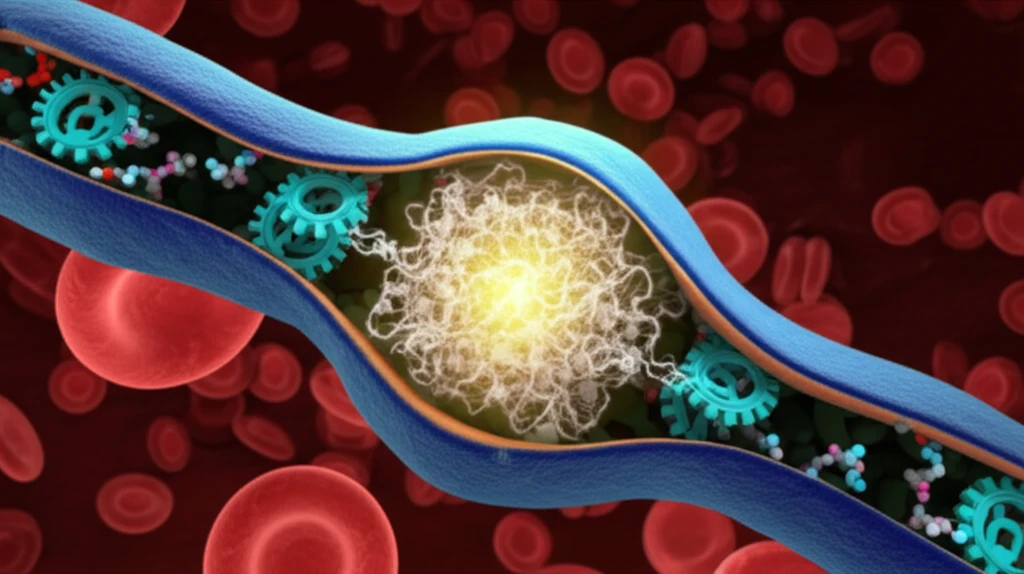
Illustration of ATP synthase inside a bacterial cell being attacked by polymyxin molecules.

Is the Future of Antibiotics Inside Our Cells? How Targeting Cellular Energy Could Combat Superbugs

"New research reveals how inhibiting a cell's energy source, ATP synthase, can eliminate antibiotic resistance in dangerous bacteria, offering a promising path to overcome the superbug crisis."


Imagine a world where common infections are untreatable, where a simple cut could lead to death. This isn't a scene from a dystopian movie; it's a potential reality as antibiotic resistance continues to rise. Bacteria are becoming increasingly resistant to the drugs we rely on, leading to a 'superbug' crisis that threatens public health globally. But what if we could outsmart these superbugs?

In a groundbreaking study, researchers have uncovered a potential weakness in Staphylococcus aureus, a bacterium notorious for its resistance to antibiotics. The key? Targeting the bacterium's ATP synthase, the very engine that powers its cells. By inhibiting this enzyme, scientists have found a way to eliminate the intrinsic resistance of S. aureus to polymyxins, a class of antibiotics typically ineffective against it.

This discovery offers a beacon of hope in the fight against antibiotic resistance. It suggests that by modulating bacterial metabolism, we can unlock the potential of existing antibiotics, making them effective against pathogens that were previously considered invincible. Let's explore how this approach could revolutionize the way we treat bacterial infections.

Why Is Staphylococcus aureus So Resistant, and How Does ATP Synthase Play a Role?

Illustration of ATP synthase inside a bacterial cell being attacked by polymyxin molecules.

Staphylococcus aureus, a common bacterium, has a knack for developing resistance to multiple antibiotics. This intrinsic resistance stems from various mechanisms that prevent antibiotics from reaching their targets or neutralize their effects. One crucial factor is the bacterium's cell membrane, which acts as a barrier against certain drugs like polymyxins.

ATP synthase is the molecular machine responsible for producing ATP (adenosine triphosphate), the primary energy currency of cells. It works by harnessing the flow of protons across the cell membrane to drive the synthesis of ATP from ADP (adenosine diphosphate) and inorganic phosphate. This process is vital for bacterial survival and growth.

Here's how ATP synthase contributes to antibiotic resistance:
  • Energy for Defense: ATP synthase provides the energy needed to power defense mechanisms, such as efflux pumps that actively remove antibiotics from the cell.
  • Membrane Maintenance: ATP is crucial for maintaining the integrity and function of the cell membrane, which acts as the first line of defense against antibiotics.
  • Metabolic Regulation: ATP synthase influences various metabolic pathways that can affect antibiotic susceptibility.
The study highlights that inhibiting ATP synthase weakens these defense mechanisms, making the bacterial cells more vulnerable to antibiotics like polymyxins. This breakthrough suggests that by disrupting the energy supply of S. aureus, we can effectively dismantle its resistance.

What Does This Mean for the Future of Antibiotics?

The discovery that inhibiting ATP synthase can overcome antibiotic resistance in S. aureus opens new avenues for developing effective treatments against superbugs. By targeting bacterial metabolism, we can potentially revive the power of existing antibiotics and combat infections that were previously untreatable. While more research is needed, this approach offers a promising path towards a future where we can once again stay ahead of the ever-evolving threat of antibiotic resistance.

About this Article -

This article was crafted using a human-AI hybrid and collaborative approach. AI assisted our team with initial drafting, research insights, identifying key questions, and image generation. Our human editors guided topic selection, defined the angle, structured the content, ensured factual accuracy and relevance, refined the tone, and conducted thorough editing to deliver helpful, high-quality information.See our About page for more information.

This article is based on research published under:

DOI-LINK: 10.1128/mbio.01114-17, Alternate LINK

Title: Inhibition Of The Atp Synthase Eliminates The Intrinsic Resistance Of Staphylococcus Aureus Towards Polymyxins

Subject: Virology

Journal: mBio

Publisher: American Society for Microbiology

Authors: Martin Vestergaard, Katrine Nøhr-Meldgaard, Martin Saxtorph Bojer, Christina Krogsgård Nielsen, Rikke Louise Meyer, Christoph Slavetinsky, Andreas Peschel, Hanne Ingmer

Published: 2017-11-08

Everything You Need To Know

1

What is ATP synthase, and why is it a key target in overcoming antibiotic resistance in Staphylococcus aureus?

ATP synthase is the molecular machine responsible for producing ATP, the primary energy currency of cells. In the context of Staphylococcus aureus, a bacterium known for its antibiotic resistance, ATP synthase becomes a critical target. This is because ATP synthase provides the energy needed for various defense mechanisms, such as efflux pumps that actively remove antibiotics from the cell. It also helps maintain the integrity of the cell membrane, a barrier against antibiotics like polymyxins. By inhibiting ATP synthase, scientists can weaken these defenses, making S. aureus more vulnerable to antibiotics, including those it had previously resisted.

2

How does inhibiting ATP synthase help combat antibiotic resistance in bacteria like Staphylococcus aureus?

Inhibiting ATP synthase disrupts the energy supply of Staphylococcus aureus, thereby undermining its ability to defend against antibiotics. ATP synthase provides the energy needed for efflux pumps, which actively remove antibiotics from the bacterial cell, and for maintaining the cell membrane. By targeting ATP synthase, researchers can effectively disable these defense mechanisms. This makes the bacteria more susceptible to existing antibiotics such as polymyxins, which were previously ineffective. The process essentially disarms the bacteria by cutting off its energy source, making it easier for antibiotics to work.

3

What are the implications of targeting bacterial metabolism, specifically ATP synthase, in the fight against superbugs?

Targeting bacterial metabolism, particularly ATP synthase, presents a promising strategy for combating antibiotic-resistant bacteria, or superbugs. By disrupting the energy production of bacteria like Staphylococcus aureus, scientists can make existing antibiotics effective again. This approach offers a potential solution to the crisis where common infections are becoming untreatable due to antibiotic resistance. The implications are significant: it could lead to reviving the power of existing drugs, developing new treatments that can overcome resistance, and ultimately protecting public health by ensuring that we can continue to effectively treat bacterial infections.

4

What is the role of polymyxins in the context of antibiotic resistance, and how does inhibiting ATP synthase affect their efficacy?

Polymyxins are a class of antibiotics that are typically ineffective against antibiotic-resistant bacteria. The intrinsic resistance of Staphylococcus aureus often prevents polymyxins from reaching their targets. However, the study highlights a significant breakthrough: inhibiting ATP synthase makes S. aureus more vulnerable to polymyxins. By disrupting the bacterium's energy production, the defense mechanisms (like the cell membrane) are weakened. This allows polymyxins to be more effective, essentially reversing the resistance. This approach has implications for treating infections where polymyxins were previously ineffective due to S. aureus's resistance.

5

Beyond Staphylococcus aureus, could targeting ATP synthase offer a broader solution to the superbug crisis?

The research focused on Staphylococcus aureus shows how inhibiting ATP synthase can overcome antibiotic resistance. While the findings are specific to S. aureus, the approach of targeting bacterial metabolism opens broader possibilities for addressing the superbug crisis. If ATP synthase plays a similar role in other antibiotic-resistant bacteria, this method could potentially be adapted to a wider range of pathogens. This could involve developing new drugs that specifically inhibit ATP synthase in various bacteria or repurposing existing antibiotics. The ultimate goal is to restore the effectiveness of current treatments and develop new ones, preventing the potential for a future where common infections become untreatable.

Newsletter Subscribe

Subscribe to get the latest articles and insights directly in your inbox.