
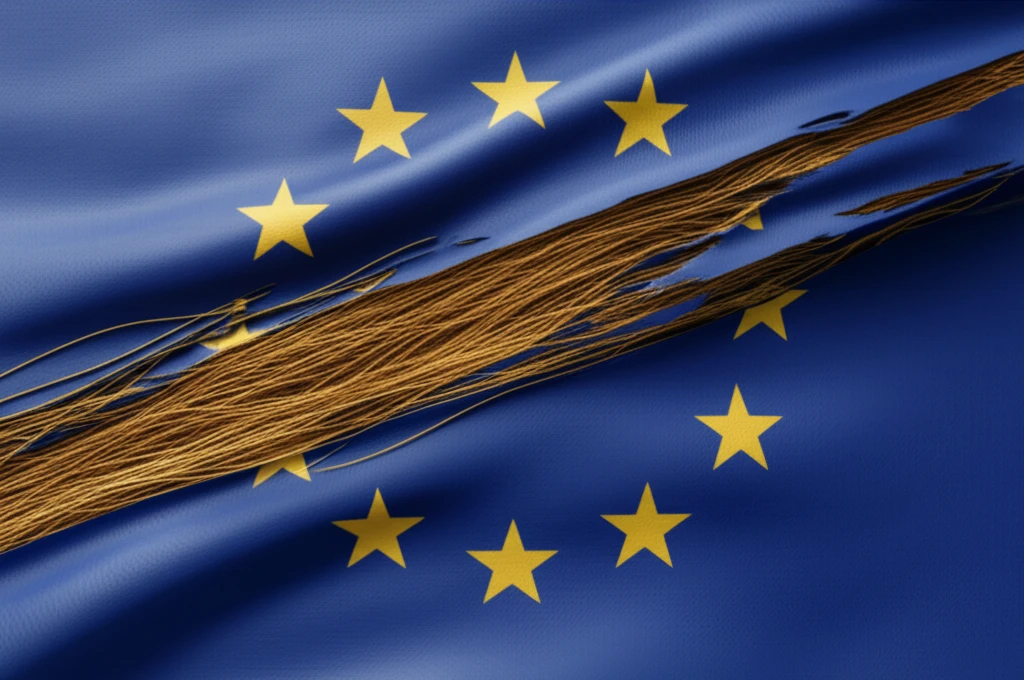
Is the European Dream Fading? How Economic Policies are Shaping the Future of the EU

"A deep dive into how current monetary policies could be undermining the foundations of European unity and what it means for the future."
For over a decade, the European financial system has been grappling with unresolved crises. While the European Central Bank's (ECB) extensive purchases of government bonds have stabilized struggling southern European economies, a sustainable economic recovery remains elusive. Meanwhile, in Germany, historically low-interest rates and the associated devaluation of the Euro are fueling export and real estate bubbles, signaling potential economic overheating.
The future of the European Union is a subject of intense debate. The European Commission (2017) advocates for deeper integration through the completion of the banking union and the creation of a common finance ministry. Similarly, Commission President Juncker (2017) has called for the expansion of the Eurozone. This vision aligns with France's traditional approach, emphasizing centralized control.
However, voices like Gunther Schnabl and Sebastian Müller are cautioning against these trends, pointing out how the current trajectory deviates from the principles that once underpinned European success. Understanding these perspectives is crucial for anyone invested in the stability and prosperity of the EU.
Eucken's Principles: The Economic Cornerstone of European Integration
The German economic model, which prioritized free markets, was a central factor in the European integration process. Rooted in the experiences of the Weimar Republic, this model emphasized decentralized decision-making and stable monetary policy.
- Decentralized decisions: Free markets with competitive businesses prevent the political manipulation of prices.
- Monetary stability: A stable currency is crucial to avoid distorting price signals and misallocating investments.
- Open markets: Open competition encourages a diverse range of businesses, ensuring fair prices and consumer-oriented production.
- Private property: Private property incentivizes innovation and efficiency.
- Freedom of contract: Businesses can freely negotiate agreements within a clear legal framework.
- Liability principle: Individuals and businesses must be held accountable for their actions.
- Consistent economic policy: Predictable policies allow businesses to plan investments effectively.
Navigating the Path Forward
The future of the European Union hinges on a return to sound economic principles and a commitment to stability-oriented monetary policy. While a gradual exit from ultra-loose monetary policy is essential, it must be carefully managed to avoid triggering further economic disruption. Only by fostering a climate of innovation, productivity, and responsible governance can Europe secure a prosperous future for all its citizens.