
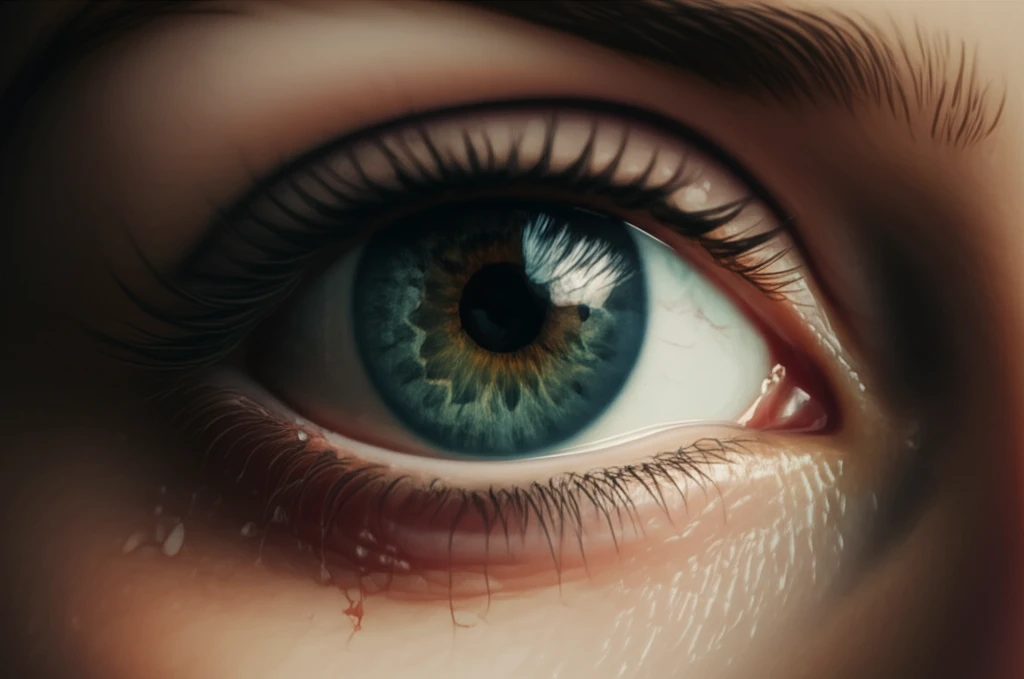
Illustration of an eye affected by blepharitis, showing signs of redness and inflammation.

Is That Itchy Eye Blepharitis? Unveiling the Truth and Treatment Options

"From Redness to Relief: Understanding Blepharitis, a Common Eye Condition, and How to Tackle It"


Do you find yourself constantly battling red, itchy, or gritty eyes? You're not alone. Millions of people experience these symptoms, often caused by a condition known as blepharitis. It's a common inflammation of the eyelids that can be both bothersome and persistent, affecting your daily life.

This article is your comprehensive guide to understanding blepharitis. We'll explore its causes, the various types, and, most importantly, the effective treatments available. Our goal is to empower you with knowledge, helping you identify the problem and take the necessary steps to achieve clearer, more comfortable vision.

Whether you're experiencing symptoms for the first time or have been dealing with blepharitis for a while, this guide offers insights and solutions. We'll navigate through the complexities of this eye condition, making it easy to understand and address, providing you with a clear path to healthier eyes.

What Exactly is Blepharitis? A Deep Dive into the Condition

Illustration of an eye affected by blepharitis, showing signs of redness and inflammation.

Blepharitis isn't just one thing; it's a spectrum of conditions affecting the eyelids. It's generally characterized by inflammation, which can manifest in different ways. The root causes can vary, often involving a combination of factors, including bacterial infections, skin conditions, and even environmental irritants.

There are two main types of blepharitis: anterior and posterior. Anterior blepharitis affects the outside front edge of the eyelid, where the eyelashes grow. Posterior blepharitis, on the other hand, targets the inner part of the eyelid, specifically the meibomian glands, which produce oils to keep your eyes lubricated. Both types can cause significant discomfort.

  • Anterior Blepharitis: This type usually involves the skin and lashes, often due to bacteria or other irritants.
  • Posterior Blepharitis: This affects the inner eyelid and meibomian glands, potentially causing dry eye symptoms.
  • Symptoms to Watch For: Common signs include redness, itching, burning, crusting around the lashes, and blurry vision.
Understanding the type of blepharitis you have is the first step toward effective treatment. While both types can share symptoms, their underlying causes and the best approaches to manage them can differ significantly.

Taking Control: Your Path to Comfortable Eyes

Blepharitis can be a frustrating condition, but with the right knowledge and treatment, you can significantly improve your eye health and comfort. Remember, consulting with an eye care professional is crucial for diagnosis and developing a personalized treatment plan. Embrace these strategies, stay informed, and take proactive steps towards healthier eyes and a clearer vision. Your eyes will thank you!

About this Article -

This article was crafted using a human-AI hybrid and collaborative approach. AI assisted our team with initial drafting, research insights, identifying key questions, and image generation. Our human editors guided topic selection, defined the angle, structured the content, ensured factual accuracy and relevance, refined the tone, and conducted thorough editing to deliver helpful, high-quality information.See our About page for more information.

Everything You Need To Know

1

What exactly is Blepharitis?

Blepharitis is a common eye condition characterized by inflammation of the eyelids. It's not a single entity but rather a spectrum of conditions. The inflammation can manifest in various ways, often due to a combination of factors, including bacterial infections, skin conditions, or environmental irritants. Understanding that Blepharitis encompasses different types and causes is crucial for effective management and treatment.

2

What are the main types of Blepharitis?

There are two main types: Anterior and Posterior Blepharitis. Anterior Blepharitis affects the front edge of the eyelid, impacting the skin and eyelashes and often caused by bacteria or other irritants. Posterior Blepharitis targets the inner part of the eyelid and the meibomian glands, which produce oils to keep the eyes lubricated. This type can lead to dry eye symptoms, making the eyes feel uncomfortable and potentially affecting vision.

3

What are the common symptoms of Blepharitis that I should watch out for?

Common signs of Blepharitis include redness, itching, and burning sensations in the eyes. Other symptoms to look for include crusting around the eyelashes and blurry vision. It's important to note that both Anterior and Posterior Blepharitis can share these symptoms, but their underlying causes and best treatment approaches may differ. If you experience any of these, consulting an eye care professional is recommended.

4

Why is it important to understand the different types of Blepharitis for treatment?

Understanding the type of Blepharitis you have is the first step toward effective treatment because the underlying causes and the best approaches to manage them can differ significantly. For example, Anterior Blepharitis, often caused by bacterial infections, might require different treatments than Posterior Blepharitis, which can be linked to meibomian gland dysfunction. A personalized treatment plan based on the specific type and cause of Blepharitis can lead to healthier eyes and clearer vision.

5

What are the next steps if I suspect I have Blepharitis?

If you suspect you have Blepharitis, the most important step is to consult with an eye care professional. They can properly diagnose the type of Blepharitis and develop a personalized treatment plan. Treatments may vary depending on the type and severity but often involve strategies to manage the condition and alleviate symptoms. Taking proactive steps towards healthier eyes and clearer vision, as guided by your eye care professional, is key.

Newsletter Subscribe

Subscribe to get the latest articles and insights directly in your inbox.