
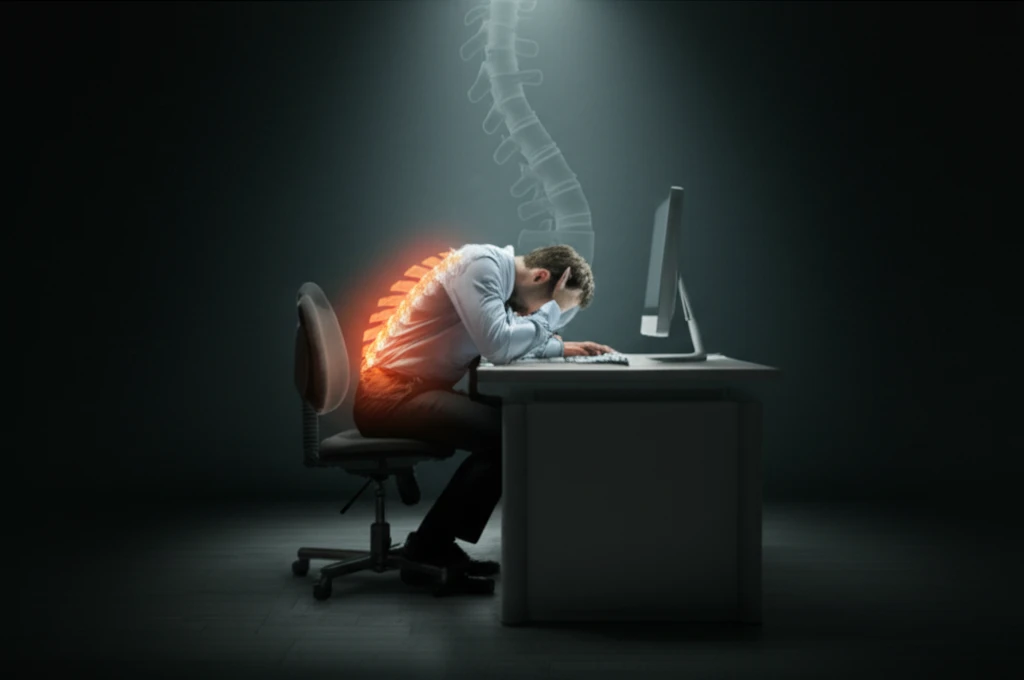
Is Burnout Fueling Your Back Pain? The Mind-Body Connection at Work

"Explore the surprising link between work-related burnout and chronic low back pain, and what you can do to break the cycle."
In today's high-stress work environments, the impact of psychological strain on physical health is becoming increasingly clear. Among the various challenges workers face, burnout—a state of emotional, physical, and mental exhaustion caused by prolonged or excessive stress—has emerged as a significant concern. But what many don't realize is the profound connection between burnout and chronic physical ailments, particularly low back pain.
Low back pain is a widespread issue, affecting a significant portion of the working population. While physical factors such as posture and lifting techniques are often considered primary causes, the role of psychological factors, such as stress and burnout, is gaining recognition. Research indicates that individuals experiencing high levels of job-related stress are more prone to developing chronic low back pain, highlighting the intricate interplay between mind and body.
This article delves into the relationship between burnout and chronic low back pain, exploring how the psychological dimensions of work can manifest as physical discomfort. We'll examine the latest research, discuss risk factors, and provide practical strategies for managing stress and alleviating pain. Whether you're an employee, employer, or healthcare professional, understanding this connection is crucial for promoting healthier and more productive work environments.
The Burnout-Low Back Pain Connection: What the Research Says
Recent studies shed light on the significant association between burnout and chronic low back pain. Burnout, characterized by emotional exhaustion, depersonalization (detachment from work), and a sense of reduced personal accomplishment, can amplify pain perception and hinder recovery. Here’s a breakdown of what the research reveals:
- Emotional Exhaustion: This dimension of burnout was found to explain between 3% and 16% of the variance in pain intensity and functional repercussions. Emotional exhaustion leads to increased sensitivity to pain and reduces the ability to cope with discomfort.
- Fear-Avoidance Beliefs: The study underscored the predictive power of fear-avoidance beliefs related to work. These beliefs, where individuals avoid activities due to fear of pain, can lead to physical deconditioning and prolonged disability.
- Catastrophizing: Catastrophizing, characterized by exaggerated negative thinking about pain, significantly contributes to increased pain levels and functional limitations. The research showed that addressing these thought patterns can lead to better outcomes.
Practical Strategies to Break the Cycle of Burnout and Back Pain
Understanding the connection between burnout and low back pain is the first step toward taking control of your health. By implementing targeted strategies to manage stress and address psychological factors, you can significantly reduce pain and improve your overall well-being. Whether you're an individual experiencing these issues or an employer looking to support your workforce, these approaches can make a tangible difference.