
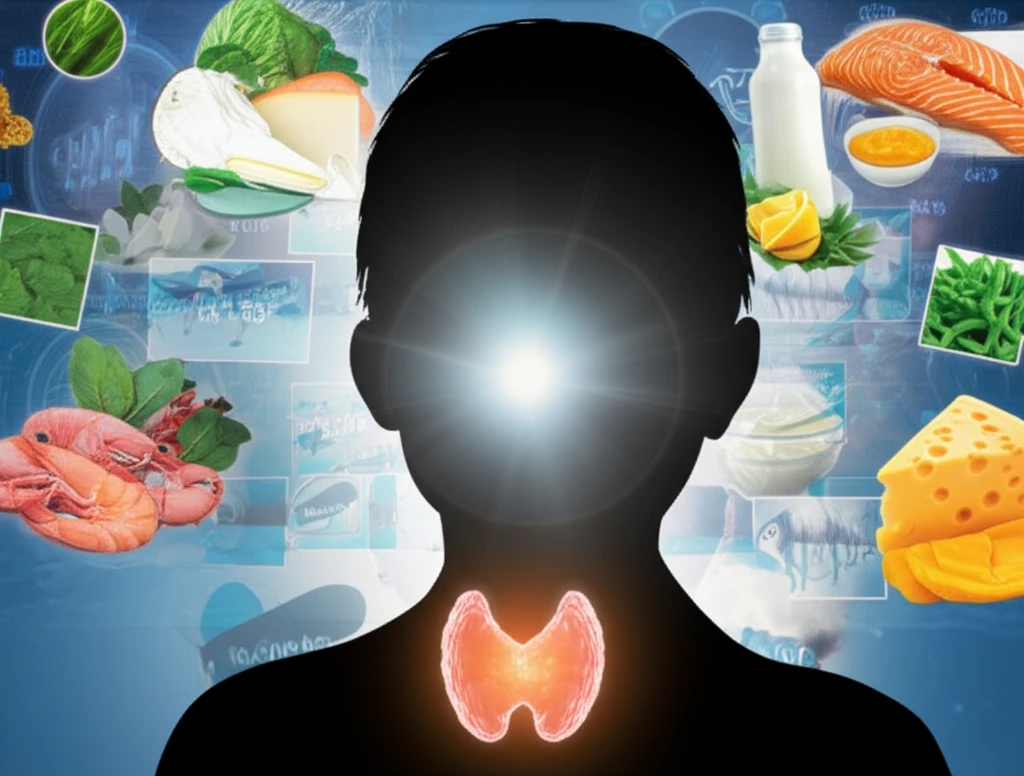
Digital illustration of a child's silhouette with a glowing thyroid gland, representing the benefits of iodine for children's health.

Iodine Levels in Kids: Are Your Children Getting Enough?

"A Look at Iodine Deficiency, Thyroid Health, and How to Protect Your Child's Well-being"


In a world filled with health headlines, it's easy for important details to get overlooked. One such detail, often underestimated, is iodine – a vital nutrient for your child's growth and development. From cognitive function to energy levels, iodine supports several critical bodily functions, and a deficiency can have severe consequences. This guide will delve into the significance of iodine, the impact on children, and easy steps to safeguard their health.

Iodine is essential for producing thyroid hormones, which govern metabolism, growth, and brain development. These hormones act as the body's master regulators, influencing how every cell functions. Insufficient iodine can lead to various health issues, especially during a child's formative years when their brains and bodies are rapidly growing and developing.

This article aims to equip parents, caregivers, and anyone concerned about child well-being with the knowledge to understand the iodine's importance. We'll explore the signs of iodine deficiency, the most reliable dietary sources, and offer actionable insights to help ensure that your children receive adequate iodine levels for optimal health.

The Critical Role of Iodine in Children's Health: Beyond the Basics

Digital illustration of a child's silhouette with a glowing thyroid gland, representing the benefits of iodine for children's health.

Iodine's impact extends far beyond just thyroid function. It is also a key player in cognitive development, particularly in the early stages of life. Adequate iodine levels are essential for ensuring a child's brain develops properly, impacting their learning abilities, focus, and overall intellectual capacity. It also influences energy levels by regulating metabolism, ensuring a child's body functions effectively and efficiently.

The impact of iodine deficiency varies depending on the severity and duration. Mild deficiencies might manifest as fatigue, poor concentration, and slower development. In contrast, more severe deficiencies can lead to cognitive impairments, growth retardation, and other serious health problems. These effects highlight the importance of addressing iodine deficiency early, if possible, to prevent long-term health complications.

  • Brain Development: Iodine is crucial for the development of neural pathways, directly affecting cognitive abilities.
  • Metabolism Regulation: Thyroid hormones, which require iodine, govern metabolism, affecting energy levels and growth.
  • Growth and Development: Adequate iodine intake is essential for normal growth and physical development.
It's crucial for parents and caregivers to understand these connections and take proactive steps to ensure children have adequate iodine. This knowledge empowers proactive measures that contribute to their overall health and wellness. Let's dive deeper into the signs of deficiency and explore what we can do to help.

Empowering a Healthier Future for Children

Taking charge of a child's health is one of the most important responsibilities. By understanding the crucial role iodine plays, recognizing the signs of deficiency, and making informed dietary choices, parents and caregivers can significantly influence their children's overall health and well-being. This proactive approach ensures children get the essential nutrients they need to thrive.

About this Article -

This article was crafted using a human-AI hybrid and collaborative approach. AI assisted our team with initial drafting, research insights, identifying key questions, and image generation. Our human editors guided topic selection, defined the angle, structured the content, ensured factual accuracy and relevance, refined the tone, and conducted thorough editing to deliver helpful, high-quality information.See our About page for more information.

Everything You Need To Know

1

Why is iodine so important for my child's health?

Iodine is crucial because it's essential for producing thyroid hormones. These hormones are the body's master regulators, governing metabolism, growth, and, most importantly, brain development in children. Without sufficient iodine, a child's brain and body may not develop properly, leading to various health issues.

2

What are the potential signs of iodine deficiency in children, and what impact can this deficiency have on their well-being?

Mild iodine deficiencies may manifest as fatigue, poor concentration, and slower development. More severe deficiencies can lead to cognitive impairments, growth retardation, and other serious health problems. Iodine is crucial for neural pathways and cognitive abilities, as well as energy levels, influencing how every cell functions.

3

How does iodine specifically support a child's brain development and cognitive functions?

Iodine is essential for the development of neural pathways in the brain, directly affecting cognitive abilities. It ensures a child's brain develops properly, impacting their learning abilities, focus, and overall intellectual capacity. Without adequate iodine levels, these critical functions can be compromised, leading to long-term developmental challenges.

4

What proactive steps can parents and caregivers take to ensure children receive adequate iodine, and why is this proactive approach so important?

Parents and caregivers can ensure children receive adequate iodine by making informed dietary choices and understanding the role iodine plays in thyroid health and cognitive development. A proactive approach is vital because it significantly influences a child's overall health and well-being, ensuring they get the essential nutrients needed to thrive and preventing potential long-term health complications associated with iodine deficiency.

5

How does iodine deficiency affect metabolism, and what implications does this have for a child's energy levels and physical development?

Thyroid hormones, which require iodine, govern metabolism, affecting energy levels and growth. Adequate iodine intake is essential for normal growth and physical development. When a child is deficient in iodine, their metabolism may not function effectively, leading to reduced energy levels, fatigue, and impaired growth. This deficiency highlights the importance of maintaining sufficient iodine levels to support healthy metabolic function and overall physical development.

Newsletter Subscribe

Subscribe to get the latest articles and insights directly in your inbox.