
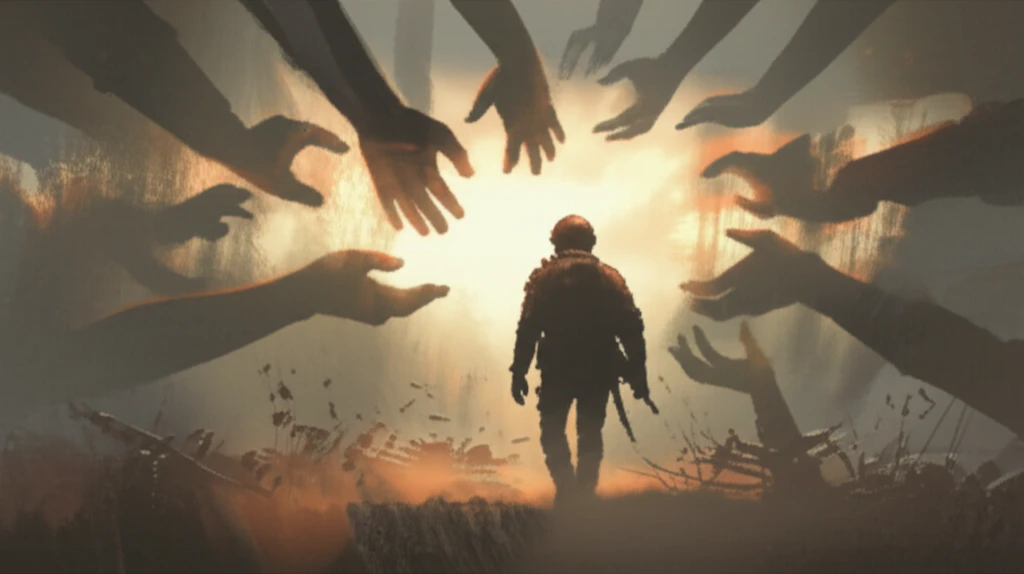
Invisible Wounds: How to Support Veterans After Blast Exposure

"Uncover the hidden battles faced by veterans exposed to blasts, from stigma to system failures, and learn how community support can pave the way for healing."
In 2012, a chance conversation with U.S. Army veterans sparked a critical research endeavor. Veterans shared their early combat experiences in Iraq and Afghanistan, followed by accounts of post-deployment health issues, successes, and struggles in accessing support from military and veteran healthcare systems. A key question emerged: What role did traumatic brain injury (TBI) play in their experiences?
The initial interviews broadened to encompass the experiences of Army combat veterans and their families, focusing on the ambiguities surrounding TBI. As themes emerged, delayed literature reviews sharpened the study’s objectives to capture the experiences of those repeatedly exposed to blasts before systematic TBI screening policies were in place.
This article presents the experiences related to care-seeking and mental health among veterans. The study, approved by the Johns Hopkins University Bloomberg School of Public Health Internal Review Board, sheds light on veterans who served before systematic TBI screenings were in place, highlighting the unique challenges they encounter.
Understanding the Silent Battles: Challenges in Care-Seeking for Veterans
Veterans returning from combat often face a complex web of health challenges, with 'pain' (especially back pain and migraines), 'sleep' disturbances (insomnia, sleep apnea), and 'behavioral' or 'mental health' issues (memory loss, personality changes, depression, anxiety) being the most common complaints. However, accessing appropriate care is often fraught with difficulties, compounded by both systemic and social barriers.
- Stigma and Warrior Identity: Many veterans fear being stigmatized for seeking mental health care, seeing it as a challenge to their warrior identity. Negative attitudes from commanding officers and fellow service members can discourage them from seeking help, leading to a sense of isolation.
- Healthcare System Obstacles: Veterans often describe the VHA system as slow, complex, and emotionally taxing, comparing it to 'being on trial.' Impersonal staff, skeptical providers, and difficulties scheduling appointments contribute to their frustration. Many felt they were not heard and that providers were more interested in disproving their claims than helping them.
- Documentation Issues: Accessing documentation to prove the combat-related nature of injuries is a significant hurdle. Limited documentation of blast encounters, classified duty logs, and the absence of computerized records complicate efforts to access necessary care and benefits.
- Lack of Continuity: Frequent redeployments and high provider turnover disrupt therapeutic progress. Starting over with a new provider forces veterans to relive traumatic experiences with someone new, hindering their ability to build trust and receive consistent care.
Rebuilding Trust and Improving Care: A Path Forward
This study underscores the urgent need for a more compassionate and responsive healthcare system for veterans. By addressing the stigma surrounding mental health care, streamlining access to documentation, and fostering stronger patient-provider relationships, we can begin to rebuild trust and ensure that veterans receive the support they need to heal. Recognizing and supporting the crucial role of spouses and family members in this process is also essential.