
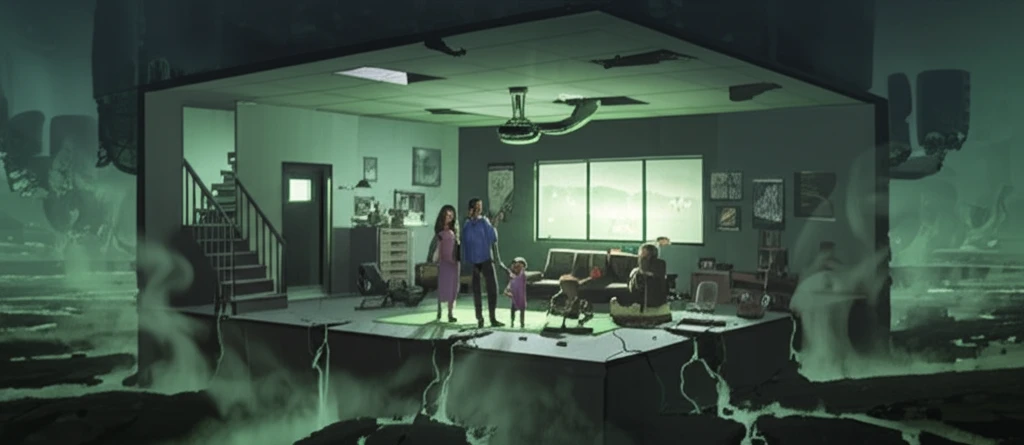
Invisible Threat: Understanding Radon and Protecting Your Home

"Is Radon Silently Affecting Your Health? Discover the Risks and How to Take Action"
Radon, a naturally occurring radioactive gas, is formed from the decay of uranium in soil and rock. Invisible and odorless, it can seep into homes and buildings, accumulating to dangerous levels without detection. Prolonged exposure to high concentrations of radon is a significant health hazard, particularly increasing the risk of lung cancer.
Unlike other visible pollutants, radon often goes unnoticed until it's too late. Many people are unaware of its presence or the potential health risks it poses. This lack of awareness is a global issue, and studies, such as those conducted in Jordan, highlight the critical need for increased public education.
This article aims to shed light on radon, its sources, health impacts, and practical steps you can take to safeguard your living environment. Understanding the risks is the first step towards creating a healthier home for you and your family.
The Silent Intruder: Radon's Journey into Your Home
Radon originates from the breakdown of uranium in the ground. Uranium is found in varying concentrations in soil, rock, and water sources worldwide. As uranium decays, it releases radon gas, which can then migrate through the soil and into the atmosphere. While radon disperses harmlessly outdoors, problems arise when it enters enclosed spaces like homes and buildings.
- Geological Factors: The amount of uranium in local soil and rock formations directly influences radon levels.
- Building Construction: Homes with cracks in the foundation or porous building materials are more susceptible to radon entry.
- Ventilation: Poorly ventilated homes allow radon to accumulate to higher concentrations.
- Climate: Seasonal changes can affect radon levels as soil conditions and air pressure fluctuate.
Empowering Yourself: Taking Control of Your Indoor Air Quality
Protecting your home and family from radon requires awareness and action. By understanding the risks, testing your home, and taking appropriate mitigation steps, you can create a safer and healthier living environment. Don't let this invisible threat compromise your well-being. Knowledge is power, so take the first step today!