
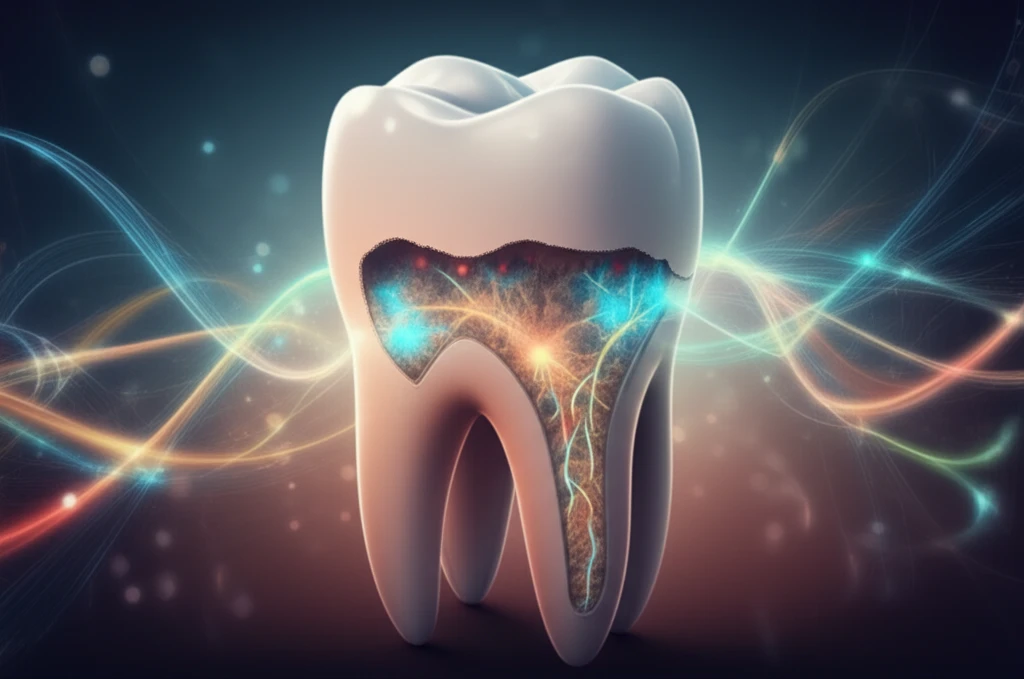
Intrabony Defects: Can Bone Grafts Fill the Gap?

"A closer look at how adjunctive therapies with demineralized freeze-dried bone allografts (DFDBA) enhance bone regeneration in periodontal intrabony defects."
Periodontal disease often leads to the formation of intrabony defects, which are essentially hollow spaces in the bone surrounding your teeth. Imagine the foundation of a house crumbling away—that’s similar to what happens in your mouth. These defects not only compromise the stability of your teeth but can also lead to more severe oral health issues if left unaddressed.
The primary goal of periodontal therapy has always been to restore what's lost, aiming to regenerate the tissues that support your teeth, including the periodontal ligament, alveolar bone, and cementum. This regeneration is key to regaining full functionality and preventing further deterioration.
Demineralized Freeze-Dried Bone Allograft (DFDBA) is the use of bone grafts derived from a tissue bank, processed to remove the mineral content and freeze-dried for preservation. These grafts act as a scaffold, encouraging new bone growth and helping to fill those troublesome intrabony defects. In some cases, additional materials known as adjuncts are used alongside DFDBA to boost its effectiveness.
What Adjuncts Can Enhance DFDBA Treatment?
Several adjuncts have shown promise in enhancing the regenerative effects of DFDBA, including:
- Platelet-Rich Plasma (PRP): Concentrated platelets from your own blood, rich in growth factors that promote tissue repair and regeneration.
- Enamel Matrix Derivative (EMD): Proteins that mimic the natural enamel formation process, stimulating the regeneration of periodontal tissues.
- Cyclosporine A (CsA): An immunosuppressant drug that, in some studies, has shown potential in promoting bone formation when combined with DFDBA.
Long-Term Outlook
While the current evidence suggests that certain adjuncts can indeed enhance the effectiveness of DFDBA in treating intrabony defects, it’s important to recognize that long-term studies are still needed. The sustained benefits and potential risks associated with these combined therapies require thorough investigation to refine treatment protocols and ensure optimal patient outcomes.