
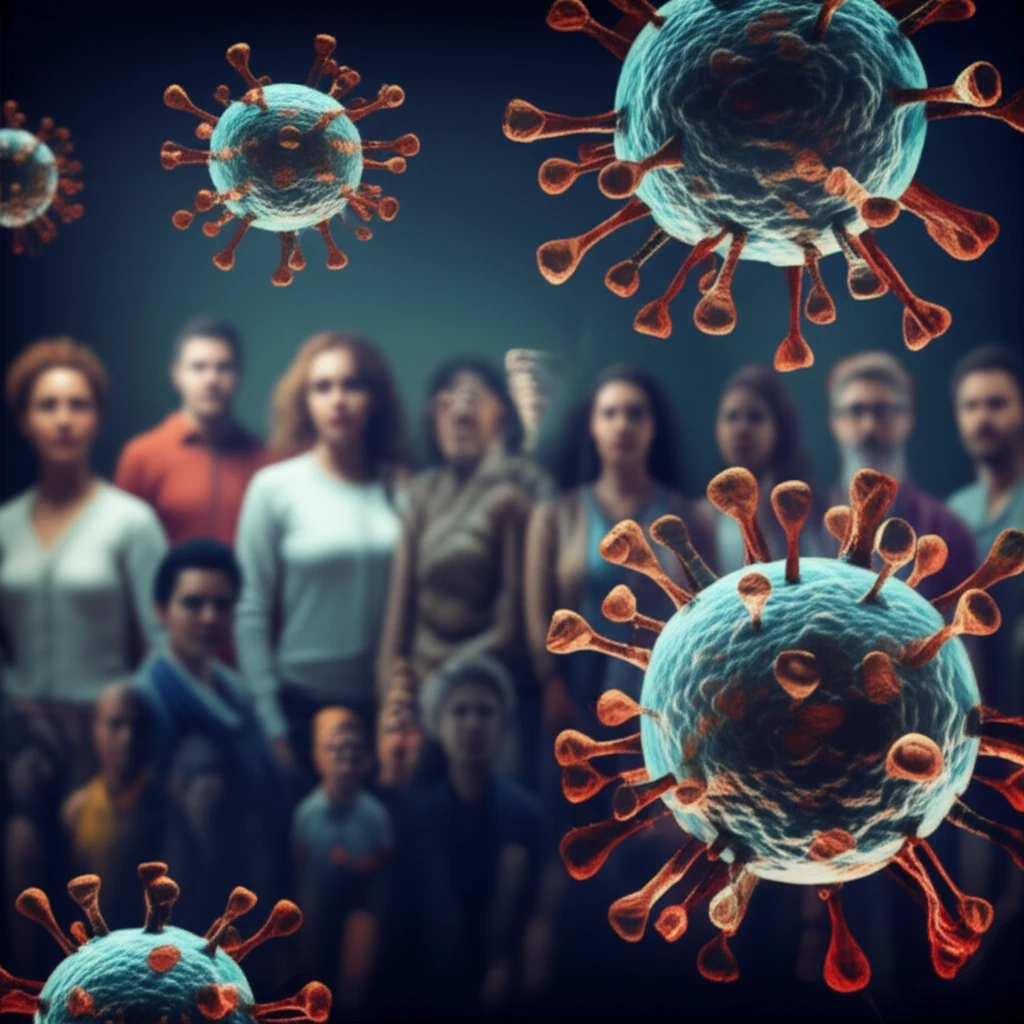
HSV-2: Unmasking the Herpes Simplex Virus Type 2 Epidemic

"Understanding the Spread, Impact, and Potential for Eradication"
Herpes Simplex Virus Type 2 (HSV-2) is a pervasive sexually transmitted infection (STI) affecting millions globally. It's more than just a health concern; it's a significant social issue that impacts relationships, self-esteem, and public health resources. Despite its prevalence, many misconceptions surround HSV-2, leading to stigma and inadequate prevention efforts.
This article aims to demystify HSV-2, providing a comprehensive overview of its epidemiology, transmission dynamics, and the science behind the ongoing research to combat this widespread infection. We'll explore the latest findings, address common questions, and shed light on the future of HSV-2 prevention and treatment.
The goal is to equip readers with accurate information, foster a better understanding of HSV-2, and encourage informed conversations about sexual health. By breaking down the science, this article seeks to empower individuals to take control of their health and contribute to reducing the impact of HSV-2 worldwide.
What is HSV-2? Breaking Down the Basics
HSV-2 is a virus that primarily causes genital herpes. It's characterized by painful blisters and sores in the genital area, though symptoms can vary greatly from person to person. Some individuals may experience severe outbreaks, while others may have mild or no noticeable symptoms. This variability makes it challenging to detect and control the spread of the virus.
- Genital herpes is a common STI with a global impact.
- Transmission occurs through skin-to-skin contact, often during sexual activity.
- The virus can be transmitted even without visible symptoms.
- Once infected, HSV-2 stays in the body permanently.
The Path Forward: Research, Prevention, and a Healthier Future
HSV-2 is a complex challenge, but through continued research, public health initiatives, and increased awareness, we can make progress. As the scientific community works towards a vaccine and better treatment options, it's important for individuals to prioritize safe sexual practices and open communication. With a combination of scientific advancements and informed public health strategies, we can work toward a healthier future for all.