
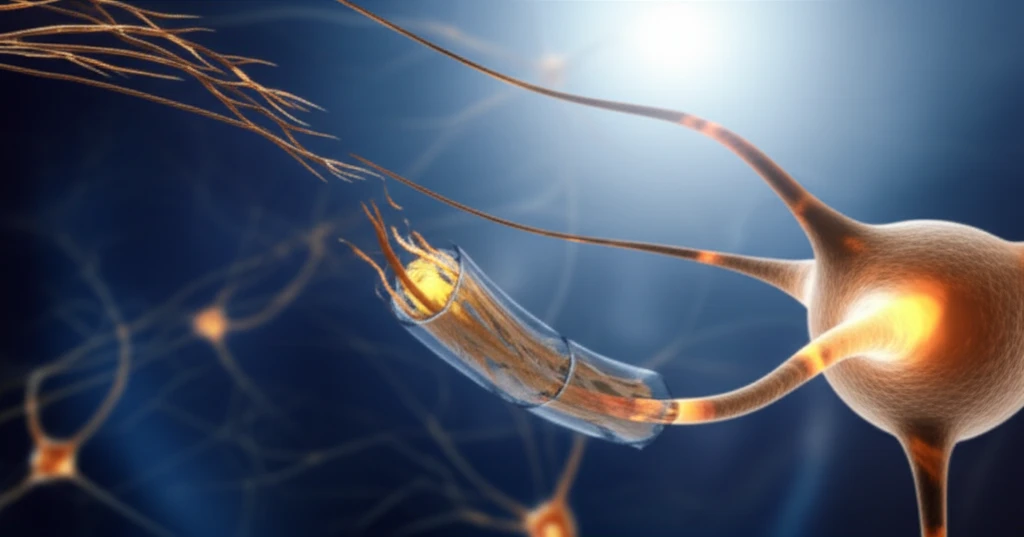
Illustration of nerve regeneration symbolizing neuropathy treatment.

Hope for Neuropathy: Obinutuzumab and Chlorambucil Offer New Promise

"A breakthrough study reveals the potential of obinutuzumab and chlorambucil in treating anti-MAG antibody polyneuropathy."


Anti-MAG antibody polyneuropathy is a debilitating condition where the body's immune system attacks its own nerves. This leads to progressive weakness, sensory loss, and impaired mobility. Traditional treatments have had limited success, leaving many patients searching for better options.

A recent study has shed light on a promising new approach. Researchers have found that a combination of obinutuzumab and chlorambucil can be highly effective in treating this challenging condition. This discovery offers a beacon of hope for those who have struggled to find relief.

This article will delve into the details of this groundbreaking study, exploring how obinutuzumab and chlorambucil work, who might benefit from this treatment, and what the future holds for anti-MAG antibody polyneuropathy.

What is Anti-MAG Antibody Polyneuropathy?

Illustration of nerve regeneration symbolizing neuropathy treatment.

Anti-MAG antibody polyneuropathy is a rare autoimmune disorder that affects the peripheral nerves. These nerves transmit signals between the brain and spinal cord and the rest of the body. In this condition, the immune system mistakenly produces antibodies that target myelin-associated glycoprotein (MAG), a protein crucial for the insulation and function of nerve fibers.

When MAG is attacked, the myelin sheath, which protects the nerves, becomes damaged. This damage disrupts the transmission of nerve signals, leading to a range of symptoms, including:

  • Progressive weakness, especially in the legs and feet.
  • Sensory loss, such as numbness, tingling, or burning sensations.
  • Impaired balance and coordination.
  • Fatigue.
  • Tremors.
The exact cause of anti-MAG antibody polyneuropathy is not fully understood. However, it is often associated with certain underlying conditions, such as monoclonal gammopathy of undetermined significance (MGUS) and chronic lymphocytic leukemia (CLL). Diagnosis typically involves blood tests to detect anti-MAG antibodies and nerve conduction studies to assess nerve function.

A Promising Future for Neuropathy Treatment

The findings from this study offer a significant advancement in the treatment of anti-MAG antibody polyneuropathy. While further research is needed to confirm these results and optimize treatment protocols, obinutuzumab and chlorambucil hold great promise for improving the lives of individuals affected by this debilitating condition. If you or a loved one is suffering from neuropathy, discuss these new findings with your doctor to see if this treatment approach may be right for you.

About this Article -

This article was crafted using a human-AI hybrid and collaborative approach. AI assisted our team with initial drafting, research insights, identifying key questions, and image generation. Our human editors guided topic selection, defined the angle, structured the content, ensured factual accuracy and relevance, refined the tone, and conducted thorough editing to deliver helpful, high-quality information.See our About page for more information.

Everything You Need To Know

1

What is anti-MAG antibody polyneuropathy?

Anti-MAG antibody polyneuropathy is a rare autoimmune disorder where the body's immune system mistakenly attacks its own nerves. Specifically, the immune system produces antibodies that target myelin-associated glycoprotein (MAG), a protein critical for the insulation and function of nerve fibers. This attack damages the myelin sheath, which protects the nerves, disrupting nerve signal transmission and leading to symptoms like progressive weakness, sensory loss, impaired balance, fatigue, and tremors. It is often associated with conditions such as monoclonal gammopathy of undetermined significance (MGUS) and chronic lymphocytic leukemia (CLL).

2

How do obinutuzumab and chlorambucil treat anti-MAG antibody polyneuropathy?

The combination of obinutuzumab and chlorambucil represents a promising treatment approach. While the exact mechanisms are complex and may require further study, obinutuzumab, a monoclonal antibody, likely works by targeting and depleting the B-cells that produce the anti-MAG antibodies, thus reducing the immune system's attack on the nerves. Chlorambucil, a chemotherapy drug, can further suppress the immune system, reducing the production of these harmful antibodies and preventing further nerve damage. This combined approach aims to halt the progression of the disease and potentially improve symptoms.

3

What are the symptoms of anti-MAG antibody polyneuropathy?

The symptoms include progressive weakness, particularly in the legs and feet, sensory loss such as numbness, tingling, or burning sensations. Patients may also experience impaired balance and coordination, fatigue, and tremors. These symptoms arise because the damage to the myelin sheath disrupts the transmission of nerve signals between the brain and spinal cord and the rest of the body. The severity of symptoms can vary from person to person.

4

Who might benefit from obinutuzumab and chlorambucil treatment?

Individuals diagnosed with anti-MAG antibody polyneuropathy, who have not found relief with traditional treatments, may potentially benefit from this treatment approach. The study findings offer hope for those struggling with the debilitating effects of this condition. Patients should discuss these new findings with their doctor to determine if obinutuzumab and chlorambucil might be a suitable option for their specific circumstances, considering the potential benefits and risks.

5

What is the significance of the study on obinutuzumab and chlorambucil for neuropathy treatment?

The study represents a significant advancement, providing a potential new treatment option for a condition with limited effective therapies. The discovery of obinutuzumab and chlorambucil's effectiveness offers hope for improved outcomes for patients suffering from anti-MAG antibody polyneuropathy. The study's findings suggest a promising approach to managing the disease and improving the quality of life for affected individuals. This breakthrough provides a foundation for further research to refine treatment protocols and explore the long-term effects of this combined therapy.

Newsletter Subscribe

Subscribe to get the latest articles and insights directly in your inbox.