
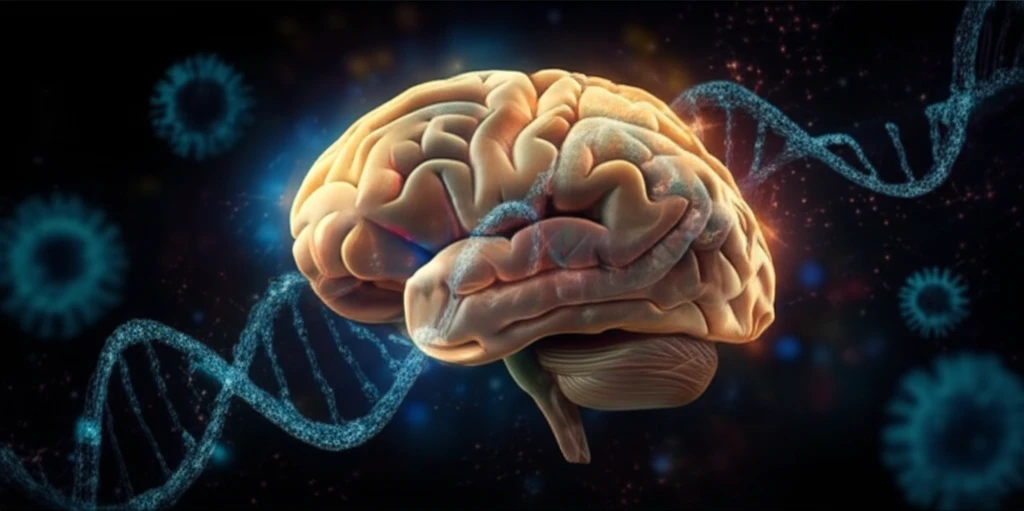
Surreal illustration of a brain intertwined with DNA and HIV particles.

HIV Subtype C and the Brain: What You Need to Know About Meningitis

"A new study sheds light on asymptomatic meningitis linked to HIV-1 subtype C, revealing genetic compartmentalization and biomarker dynamics. Here's what it means for you."


Human Immunodeficiency Virus (HIV) is known for its ability to cause a range of health issues, and how it can affect different parts of the body. One particular area of interest is how HIV interacts with the central nervous system (CNS), potentially leading to neurodegeneration and other complications. A recent study has highlighted a specific connection between HIV-1 subtype C and meningitis, offering new insights into how the virus can manifest in the brain without causing noticeable symptoms.

Meningitis, an inflammation of the membranes surrounding the brain and spinal cord, is typically associated with severe symptoms such as headache, fever, and a stiff neck. However, this study focuses on a unique case of asymptomatic meningitis, where an individual infected with HIV-1 subtype C showed signs of the condition without exhibiting any of the typical warning signs. This discovery is significant because it challenges our understanding of how HIV affects the CNS and opens new avenues for research and treatment.

The study, published in the Journal of NeuroVirology, details a longitudinal analysis of a patient with HIV-1 subtype C who experienced transient asymptomatic meningitis. By examining the dynamics of inflammation, immune responses, and various biomarkers in the patient's cerebrospinal fluid (CSF) and serum, researchers uncovered critical information about genetic compartmentalization—genetic differences in HIV found in various tissue compartments of the body—and its impact on the CNS. This article breaks down the key findings of the study, explaining what they mean for individuals at risk and the future of HIV research.

Unpacking the Study: HIV-1 Subtype C and Asymptomatic Meningitis

Surreal illustration of a brain intertwined with DNA and HIV particles.

The recent study published in the Journal of NeuroVirology, led by Sergio M. de Almeida and colleagues, explores a fascinating intersection of HIV-1 subtype C and meningitis. What makes this research particularly interesting is its focus on asymptomatic meningitis, a condition where an individual shows biological signs of meningitis (inflammation of the membranes surrounding the brain and spinal cord) without experiencing typical symptoms like headache, fever, or stiff neck.

Researchers followed a patient with HIV-1 subtype C over several years, collecting and analyzing samples of their cerebrospinal fluid (CSF) and serum. This longitudinal approach allowed them to track changes in inflammation, immune responses, and various biomarkers. The study aimed to understand how HIV can affect the central nervous system (CNS) and whether there are unique characteristics associated with subtype C infections.

  • Genetic Compartmentalization: The study found genetic differences in HIV in different tissue compartments or subcompartments, which characterizes viral quasispecies.
  • Inflammation and Immune Response: The patient's CSF showed increased levels of inflammatory cytokines and chemokines, suggesting an active immune response within the CNS.
  • Blood-Brain Barrier Integrity: The study assessed the integrity of the blood-brain barrier (BBB) and blood-CSF barrier (BCSFB), finding evidence of dysfunction, which can allow immune cells and inflammatory molecules to enter the brain.
  • Neuronal Injury Biomarkers: Levels of neuronal injury biomarkers were also measured to assess the impact on brain cells.
One of the most striking findings was that the patient's asymptomatic meningitis resolved spontaneously, without the need for antiretroviral (ARV) treatment. This is unusual because meningitis typically requires medical intervention. The researchers also observed genetic compartmentalization of HIV in the CSF, meaning that the virus in the brain was genetically distinct from the virus in the blood. This suggests that the CNS can act as a reservoir for HIV, where the virus can evolve independently.

What This Means for You

While this study focuses on a single case, its findings have broader implications for our understanding of HIV and its impact on the brain. The discovery of asymptomatic meningitis and genetic compartmentalization highlights the importance of monitoring the CNS in HIV-infected individuals, even in the absence of symptoms. Further research is needed to determine the prevalence of asymptomatic meningitis in the HIV-positive population and to identify factors that may increase the risk of developing this condition. For individuals living with HIV, it reinforces the importance of regular check-ups and open communication with healthcare providers about any neurological concerns, no matter how subtle they may seem.

About this Article -

This article was crafted using a human-AI hybrid and collaborative approach. AI assisted our team with initial drafting, research insights, identifying key questions, and image generation. Our human editors guided topic selection, defined the angle, structured the content, ensured factual accuracy and relevance, refined the tone, and conducted thorough editing to deliver helpful, high-quality information.See our About page for more information.

Everything You Need To Know

1

What exactly is HIV-1 subtype C, and why is it important to understand its connection to the brain?

HIV-1 subtype C is a specific strain of the Human Immunodeficiency Virus. Its significance lies in its unique interaction with the central nervous system (CNS). Research indicates it can lead to asymptomatic meningitis, where inflammation occurs in the brain and spinal cord membranes without typical symptoms. The implications are that individuals with HIV-1 subtype C might experience neurological issues that go unnoticed, potentially affecting long-term health outcomes. It's vital to understand how different HIV subtypes affect the brain to develop targeted treatments.

2

What is meningitis, and why should I be concerned about asymptomatic cases in the context of HIV?

Meningitis is the inflammation of the membranes surrounding the brain and spinal cord. It is significant because it can cause severe neurological damage if left untreated. The implications of meningitis, especially asymptomatic meningitis linked to HIV-1 subtype C, is that it can be present without the usual warning signs (like headache or fever), making diagnosis challenging. Understanding this connection is crucial for early detection and intervention in HIV-positive individuals.

3

What does 'genetic compartmentalization' mean in the context of HIV, and why does it matter?

Genetic compartmentalization, in the context of HIV-1 subtype C, refers to the presence of genetically distinct viral populations in different parts of the body, such as the cerebrospinal fluid (CSF) and blood. This is important because it indicates that the virus can evolve independently in the CNS, potentially leading to drug resistance or unique neuropathogenic properties. The implications are that standard HIV treatments might not be as effective in the brain, and monitoring the CNS is essential.

4

What are biomarkers, and how do they help in understanding meningitis related to HIV-1 subtype C?

Biomarkers, in the context of meningitis and HIV-1 subtype C, are measurable substances in the cerebrospinal fluid (CSF) or blood that indicate inflammation, immune response, or neuronal injury. They are significant because they can help detect asymptomatic meningitis and assess the extent of damage in the CNS. The implications are that monitoring these biomarkers can aid in early diagnosis and inform treatment strategies to prevent further neurological complications in individuals with HIV.

5

What are the blood-brain barrier (BBB) and blood-CSF barrier (BCSFB), and why is their integrity important in the context of HIV and meningitis?

The blood-brain barrier (BBB) and blood-CSF barrier (BCSFB) are protective interfaces that regulate the passage of substances into the brain and cerebrospinal fluid, respectively. Their integrity is crucial because they prevent harmful elements from entering the CNS. In the context of HIV-1 subtype C and meningitis, dysfunction of these barriers can allow immune cells and inflammatory molecules to enter the brain, contributing to neuroinflammation and damage. The implications are that compromised barrier function can exacerbate neurological complications in HIV-positive individuals, highlighting the importance of treatments that protect or restore BBB and BCSFB integrity.

Newsletter Subscribe

Subscribe to get the latest articles and insights directly in your inbox.