
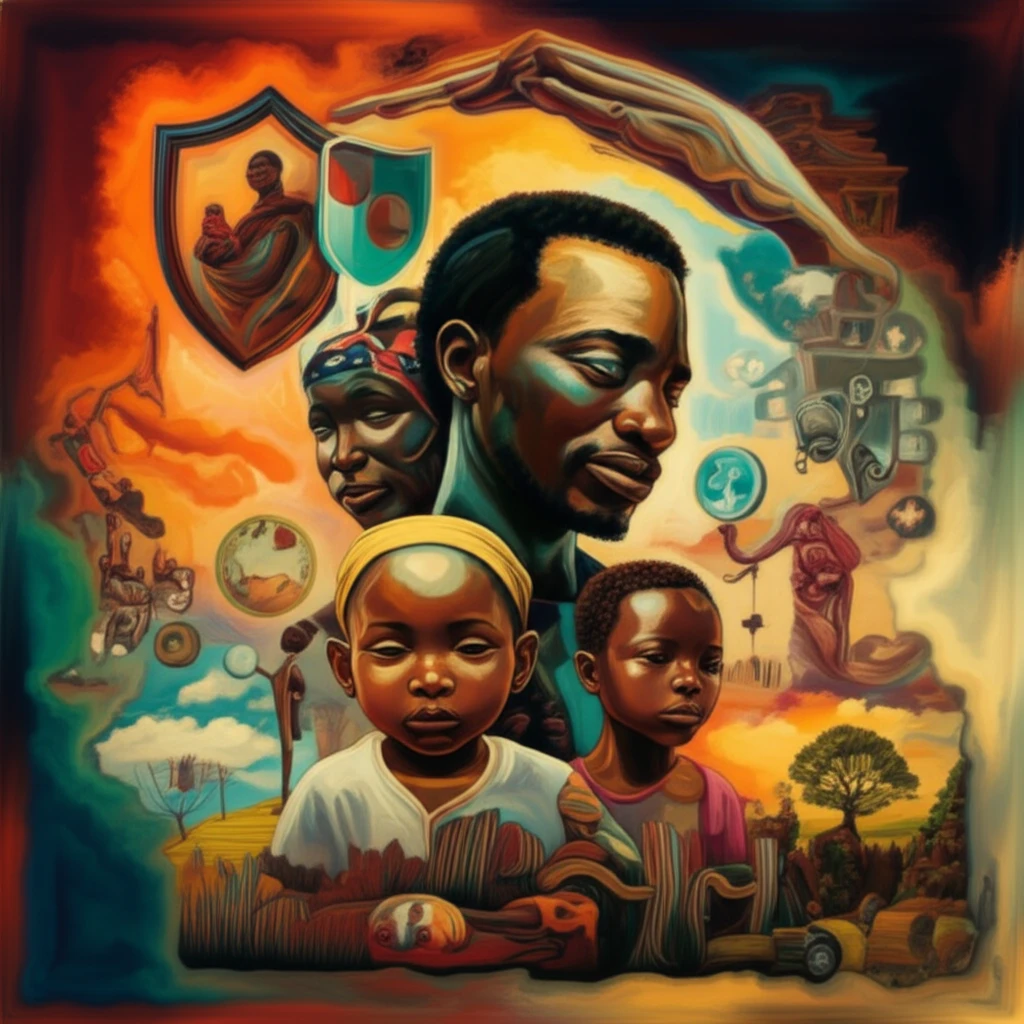
HIV & Parenthood: Navigating Reproductive Choices in Nigeria

"A guide to understanding the reproductive health options available to HIV-infected individuals in Nigeria's Niger Delta, addressing desires for children, access to counseling, and reducing stigma."
The widespread availability of antiretroviral therapy (ART) has dramatically changed the landscape for individuals living with HIV, transforming it from a deadly disease into a manageable condition. With improved health and longer lifespans, many HIV-affected couples are now considering their options for safer reproduction.
However, navigating reproductive choices as an HIV-infected individual can be complex, especially in resource-limited settings. Cultural values, stigma, and limited access to information and services create significant challenges. Understanding the available options and making informed decisions are critical for these couples.
This article explores the reproductive health concerns and desires of people living with HIV in the Niger Delta region of Nigeria. It highlights the challenges they face, the importance of counseling and education, and the need for supportive policies and services.
The Desire for Parenthood: A Common Theme
A significant number of HIV-infected individuals in the Niger Delta still desire to have children. A study revealed that over half of the participants (56.9%) expressed a wish to procreate, highlighting the importance of lineage continuity, securing relationships, and familial expectations in their decision-making.
- Marital Status: Single individuals were more likely to want children compared to married, widowed, or divorced individuals.
- Gender: Women were more inclined to want children than men.
- Education: Individuals with no formal education were more likely to desire children, regardless of their HIV status, compared to those with tertiary education.
Empowering Choices, Building Healthier Families
The study underscores the urgent need to address the reproductive health concerns of HIV-infected individuals in Nigeria. By understanding their desires, challenges, and knowledge gaps, healthcare providers and policymakers can develop targeted interventions to support informed decision-making and safer reproductive practices.
Key steps include:
<ul> <li>Increased access to comprehensive HIV counseling that covers reproductive health options.</li> <li>Training for HIV counselors on evidence-based and affordable practices related to safer conception.</li> <li>Public awareness campaigns to reduce stigma and discrimination surrounding HIV and parenthood.</li> <li>Policies that support the availability and accessibility of relevant reproductive and sexual health services.</li> </ul>