
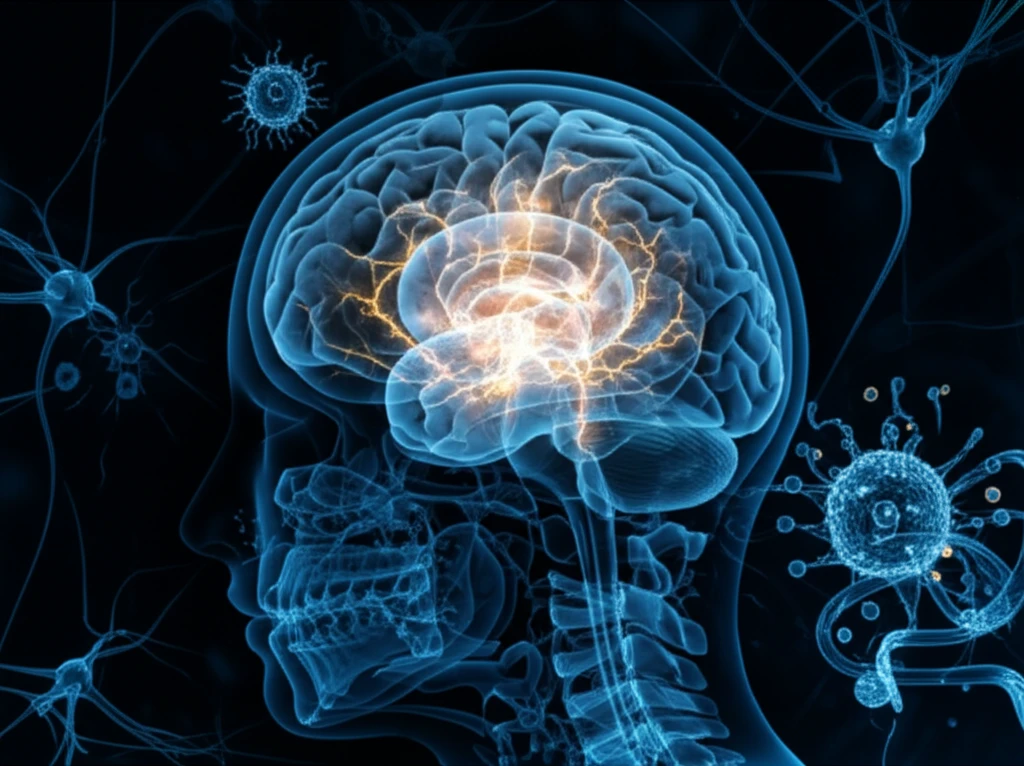
HIV and the Brain: Unraveling the Mysteries of Meningitis and Cognitive Health

"A closer look at how HIV can affect the brain, focusing on meningitis, and the latest research on biomarkers and cognitive impact."
HIV, or Human Immunodeficiency Virus, is known primarily for its impact on the immune system. However, the virus can also have significant effects on the brain. This article delves into the less-discussed aspect of HIV: its impact on neurological health. The focus will be on HIV-related meningitis, a condition where the protective membranes covering the brain and spinal cord become inflamed. We will look at the latest research and what it means for understanding and managing HIV.
The brain is a complex organ, and protecting it from infections is crucial. HIV can sometimes breach these defenses, leading to conditions like meningitis. The impact of HIV on the brain can vary, but understanding the mechanisms involved is essential for effective treatment and care. This piece aims to simplify the science, making it accessible and relevant to everyone, whether you have a personal connection to the topic or are simply curious.
Recent studies have shed light on how HIV affects the brain, including the role of genetic compartmentalization and specific biomarkers. These biomarkers act as indicators of the brain's health and how it responds to the virus. By exploring these elements, we can gain a deeper understanding of the disease and how it can be managed. This article is designed to provide an overview of the key insights and their implications for those affected.
Unpacking HIV-Related Meningitis: What You Need to Know
Meningitis is an inflammation of the meninges, the membranes that protect the brain and spinal cord. It can be caused by various infections, including viruses like HIV. In individuals with HIV, meningitis can manifest in different ways, often impacting cognitive functions and overall well-being. One key aspect of understanding this is to look at genetic compartmentalization, which is the genetic differences in HIV between different compartments of the body or between tissues.
- Inflammation: The study revealed elevated levels of inflammatory cytokines and chemokines in the cerebrospinal fluid (CSF).
- Immune Response: The body's immune response to the virus, independent of the systemic immune response, was thoroughly evaluated.
- Biomarkers: Specific biomarkers, such as sCD14, neopterin, and β2M, were found to be persistently elevated, suggesting ongoing immune stimulation in the central nervous system.
- Compartmentalization: The research presented compelling evidence of neurotropism (the virus's affinity for the nervous system) and compartmentalization (distinct genetic variations of the virus in different parts of the body).
Looking Ahead: Implications and Future Directions
The study offers crucial insights into the neurological implications of HIV. It emphasizes the importance of early detection, ongoing monitoring, and tailored treatment plans. The future of research in this area looks bright, with advancements in understanding biomarkers and how HIV interacts with the brain. For those affected, this research provides hope for improved care and a better quality of life. Continued research will play a vital role in transforming our understanding of HIV and its impact on the brain.