
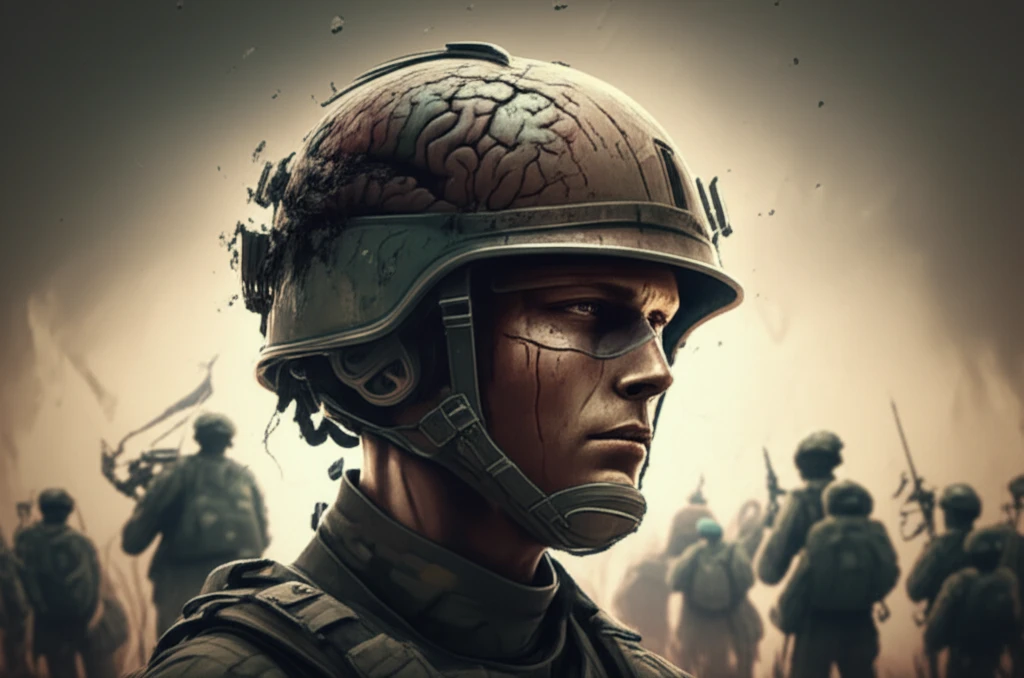
Hidden Wounds: Understanding the Link Between Mild Traumatic Brain Injury and Suicidality

"Research highlights the increased risk of suicidal thoughts and behaviors following multiple mild traumatic brain injuries, emphasizing the need for targeted support and awareness."
The complex relationship between traumatic brain injuries (TBIs) and mental health outcomes is an area of growing concern, particularly among military personnel. A study published in JAMA Psychiatry by Bryan and Clemans explored the correlation between repeated mild traumatic brain injuries (mTBIs) sustained in combat and the elevated risk of suicidal thoughts and behaviors. This research underscores the importance of understanding the long-term consequences of even seemingly minor head injuries on an individual's psychological well-being.
While the immediate physical effects of a TBI are often apparent, the subtle neurological and psychological changes that can occur, especially with repeated injuries, may be less obvious. These changes can manifest as impulsivity, altered emotional regulation, and increased vulnerability to mental health disorders like posttraumatic stress disorder (PTSD), all of which can contribute to suicidality. The original study found a link between the number of mTBI episodes and the likelihood of suicidal ideation, reinforcing the need for proactive screening and support for individuals with a history of head injuries.
This article delves into the key findings of the JAMA Psychiatry study and related research, highlighting the connection between mTBIs and suicidality. It addresses the potential role of factors like loss of consciousness (LOC) during injury and impulsivity, and emphasizes the critical need for increased awareness, early intervention, and comprehensive support systems for those at risk. By understanding the nuances of this relationship, we can work toward better protecting the mental health and well-being of individuals who have experienced traumatic brain injuries.
The Link Between mTBI and Suicidality: What the Research Shows
The original study by Bryan and Clemans, as well as subsequent letters to the editor in JAMA Psychiatry, highlights several key findings regarding the relationship between mTBI and suicidality:
- Loss of Consciousness (LOC): There is a question of whether mTBI episodes with LOC are more strongly associated with suicidality compared to those without LOC. Some research suggests that the relationship between PTSD and the number of mTBI episodes is stronger when LOC is involved.
- Impulsivity: Impaired impulse control following mTBI may play a significant role in suicidal behavior. Individuals may enter a suicidal state following an unexpected setback, acting impulsively without expressing distress beforehand. This impulsivity can be a reflection of altered frontal lobe function.
- Prefrontal Cortex Injury: The prefrontal cortex, responsible for executive functions like decision-making and impulse control, may be particularly vulnerable in mTBI. Impaired olfaction, linked to the ventromedial prefrontal cortex, could indicate prefrontal injury.
Taking Action: Resources and Support for Individuals with mTBI
The research underscores the importance of proactive interventions to prevent suicide among individuals with a history of mTBI. These interventions should include:
Education: Educating veterans, their families, and caregivers about the potential long-term effects of mTBI on mental health is crucial. This includes raising awareness about the signs and symptoms of depression, PTSD, and other mental health conditions that may increase suicide risk.
Early Intervention: Encouraging veterans to seek help at the first sign of suicidal thoughts or distress is essential. This may involve connecting them with mental health professionals, support groups, or crisis hotlines. Families should also be educated on how to recognize warning signs and how to intervene effectively.