
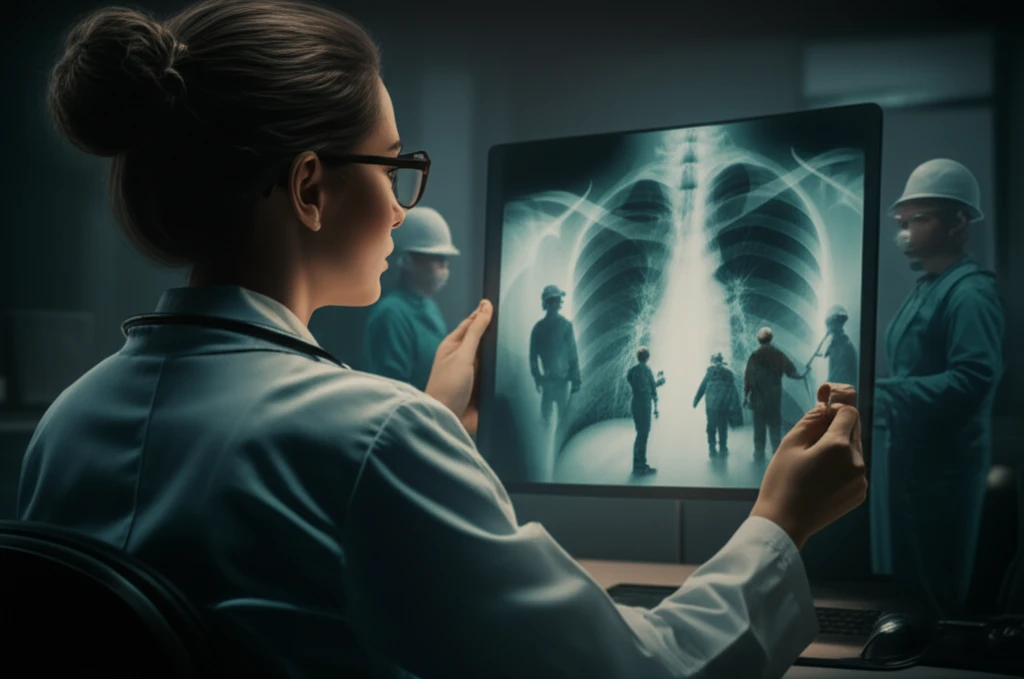
Hidden Threats: Unmasking Underreported Occupational Lung Diseases

"Why radiological practice needs a sharper focus on occupational lung diseases to protect workers' health."
Occupational lung diseases represent a significant yet often overlooked public health challenge. These conditions, stemming from workplace exposures, can have devastating effects on individuals' health and quality of life. Underreporting further complicates the issue, obscuring the true prevalence and hindering effective prevention and treatment strategies.
In Europe, the absence of standardized regulations for recognizing occupational cancers adds another layer of complexity. This inconsistency limits the ability to accurately track and address these diseases across different countries. Furthermore, epidemiologic data concerning occupational interstitial lung diseases is often incomplete due to a lack of uniform diagnostic criteria, varying levels of physician awareness, limitations in data collection, and long latency periods between exposure and disease onset.
To combat this underreporting and improve patient outcomes, a multidisciplinary approach is crucial. Radiologists, in particular, play a pivotal role in identifying potential occupational lung diseases. By recognizing patterns of illness linked to workplace exposures, they can provide crucial information for diagnosis and management. This article explores the importance of radiologists in detecting these often-missed conditions and highlights key areas for improvement in radiological practice.
The Alarming Reality of Underreported Lung Diseases
The underreporting of occupational lung disease is not a new issue, but its persistence remains a concern. Studies have consistently shown that these conditions are frequently missed or misdiagnosed, leading to delayed treatment and reduced opportunities for prevention. Several factors contribute to this problem:
- Lack of Awareness: Many physicians may not be fully aware of the diverse range of occupational lung diseases or the specific exposures that can cause them.
- Diagnostic Challenges: Occupational lung diseases can mimic other more common respiratory conditions, making accurate diagnosis difficult.
- Data Limitations: Incomplete or inconsistent data on workplace exposures hinders the ability to link illnesses to specific occupations.
- Legal and Economic Factors: Concerns about liability and compensation claims can discourage reporting of occupational diseases.
Empowering Radiologists: A Call to Action
Radiologists are at the forefront of detecting occupational lung diseases. To improve diagnostic accuracy and reduce underreporting, it is crucial for radiologists to stay informed about the latest advancements in imaging techniques, occupational exposures, and disease patterns. Collaboration with occupational health physicians and other specialists is also essential to gather comprehensive patient histories and ensure accurate diagnoses. By embracing a proactive approach, radiologists can make a significant impact on the lives of workers at risk of developing these debilitating conditions.