
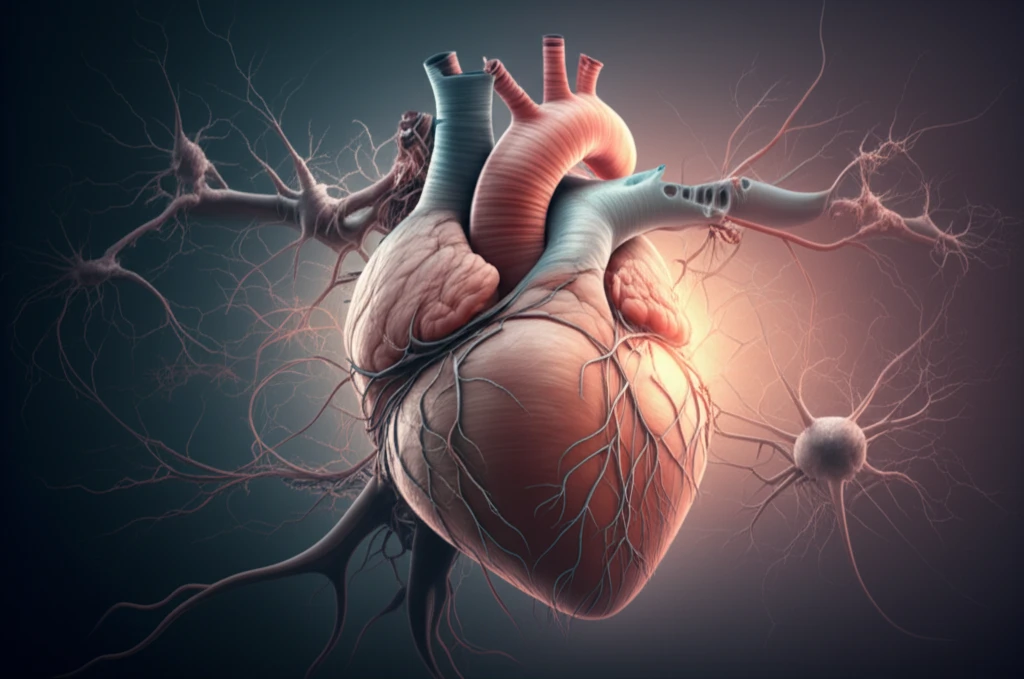
Heart and Brain Intertwined: Symbolizing the Heart-Mind Connection

Hidden Heartbreak: Are Emotional Disorders Silently Impacting Your Heart Health?

"New research reveals a surprising link between emotional well-being and a specific type of heart condition, urging doctors to look beyond physical symptoms."


Heart attacks are often associated with blocked arteries, but what happens when someone experiences a heart attack and their arteries are clear? This condition, known as Myocardial Infarction with Non-Obstructive Coronary Arteries (MINOCA), presents a unique challenge for doctors and patients alike.

A groundbreaking new study is shedding light on a surprising factor that may be linked to MINOCA: emotional disorders. The research suggests that patients with MINOCA experience a higher prevalence of conditions like anxiety, depression, and significant emotional stress compared to those with heart attacks caused by blockages.

This article will delve into the findings of this important study, exploring the connection between emotional well-being and MINOCA, and what it could mean for how we approach heart health in the future.

MINOCA: Unmasking the Silent Heart Attack

Heart and Brain Intertwined: Symbolizing the Heart-Mind Connection

MINOCA, or Myocardial Infarction with Non-Obstructive Coronary Arteries, is a condition where a person experiences a heart attack, but a subsequent angiogram reveals no significant blockages in their coronary arteries. This means the heart muscle is damaged, but the cause isn't the typical culprit of plaque buildup.

The diagnosis of MINOCA requires careful evaluation to rule out other potential causes of heart damage. Doctors must confirm that the patient meets the criteria for a myocardial infarction (heart attack) based on symptoms, EKG changes, and elevated cardiac enzymes. Once a blockage is ruled out, further investigation is needed to determine the underlying cause of the MINOCA event.

Possible causes of MINOCA include:
  • Coronary artery spasm: A sudden constriction of a coronary artery, reducing blood flow to the heart muscle.
  • Coronary microvascular dysfunction: Problems with the small blood vessels in the heart, affecting blood supply.
  • Thrombus (blood clot) formation: A temporary blood clot that forms and then dissolves, causing a brief blockage.
  • Takotsubo cardiomyopathy (broken heart syndrome): A temporary weakening of the heart muscle, often triggered by emotional stress.
Because the causes of MINOCA can be diverse, diagnosis and treatment can be more complex than in cases of heart attacks caused by blockages. This is why research into identifying other potential contributing factors, like emotional disorders, is so crucial.

The Heart-Mind Connection: A New Frontier in Heart Health

This study highlights the undeniable connection between our emotional well-being and our physical health, particularly our hearts. The increased prevalence of emotional disorders in MINOCA patients suggests that psychological factors may play a more significant role in heart health than previously thought.

For patients, this research underscores the importance of addressing emotional stress and seeking support for mental health concerns. Open communication with healthcare providers about emotional well-being is crucial for a comprehensive approach to heart health.

Future research should focus on further exploring the mechanisms by which emotional disorders contribute to MINOCA and developing targeted interventions to improve outcomes for these patients. By recognizing and addressing the heart-mind connection, we can pave the way for more effective and holistic approaches to preventing and treating heart disease.

About this Article -

This article was crafted using a human-AI hybrid and collaborative approach. AI assisted our team with initial drafting, research insights, identifying key questions, and image generation. Our human editors guided topic selection, defined the angle, structured the content, ensured factual accuracy and relevance, refined the tone, and conducted thorough editing to deliver helpful, high-quality information.See our About page for more information.

Everything You Need To Know

1

What exactly is MINOCA and how is it diagnosed?

MINOCA, or Myocardial Infarction with Non-Obstructive Coronary Arteries, is a heart attack where a patient experiences heart muscle damage, but an angiogram reveals no significant blockages in the coronary arteries. Unlike typical heart attacks caused by plaque buildup, MINOCA presents a diagnostic challenge because the underlying cause isn't immediately apparent. Diagnosis involves confirming a myocardial infarction (heart attack) based on symptoms, EKG changes, and elevated cardiac enzymes, and then ruling out blockages.

2

What are the potential causes of MINOCA?

Possible causes of MINOCA include coronary artery spasm, where a coronary artery suddenly constricts, reducing blood flow; coronary microvascular dysfunction, involving problems with the small blood vessels in the heart; thrombus formation, where temporary blood clots form and dissolve; and Takotsubo cardiomyopathy, or broken heart syndrome, a temporary weakening of the heart muscle often triggered by emotional stress. These varied potential causes make MINOCA diagnosis and treatment more complex than typical heart attacks.

3

What does the research reveal about the link between emotional disorders and MINOCA?

The research indicates a higher prevalence of emotional disorders such as anxiety, depression, and significant emotional stress in patients experiencing MINOCA compared to those with heart attacks caused by blockages. This suggests that psychological factors may play a more significant role in heart health, specifically in the context of MINOCA, than previously understood. Further research is needed to understand the precise mechanisms through which emotional distress contributes to MINOCA.

4

How might this new understanding of emotional disorders impacting MINOCA change the way doctors approach diagnosis and treatment?

The study suggests that doctors should consider emotional well-being when assessing and treating patients with MINOCA. Recognizing and addressing emotional disorders in these patients might improve their overall heart health outcomes. This could involve incorporating psychological evaluations into the diagnostic process and providing access to mental health resources as part of the treatment plan. Integrating mental health care could address underlying emotional factors contributing to MINOCA.

5

If emotional disorders are linked to MINOCA, what are the broader implications for understanding heart health and overall well-being?

The identification of emotional disorders as a potential factor in MINOCA highlights the intricate connection between mental and physical health. This emphasizes a need for a holistic approach to healthcare, where emotional well-being is considered as important as traditional physical risk factors. The implications extend beyond MINOCA, suggesting that managing emotional health may play a preventative role in various cardiovascular conditions. Further research could explore these preventative aspects, potentially leading to integrated strategies that promote both mental and cardiac wellness.

Newsletter Subscribe

Subscribe to get the latest articles and insights directly in your inbox.