
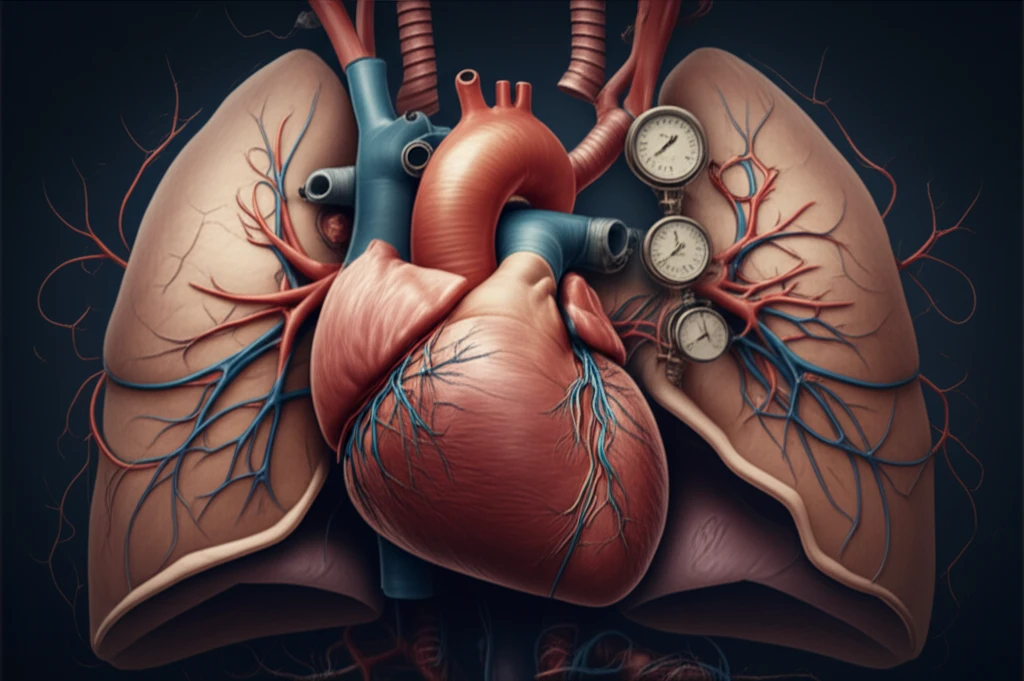
Hidden Heart Risk: Understanding Pulmonary Hypertension in Hypertrophic Cardiomyopathy

"Decoding a Complex Connection: How Pulmonary Hypertension Complicates a Common Heart Condition"
Hypertrophic Cardiomyopathy (HCM), a condition where the heart muscle thickens, affects millions worldwide. While often manageable, it can lead to serious complications. One such complication, often overlooked, is pulmonary hypertension (PH), a condition where blood pressure in the lungs becomes dangerously high. This article explores this complex relationship, offering a comprehensive understanding of the risks, mechanisms, and potential treatments.
HCM itself presents a range of challenges, from shortness of breath to fatigue and, in severe cases, even sudden cardiac arrest. When PH is added to the mix, the situation becomes even more complex, potentially worsening symptoms and increasing the risk of adverse outcomes. This makes understanding the interplay between HCM and PH crucial for effective management and improved patient well-being.
This article aims to unravel the intricacies of this connection. We'll examine how PH develops in HCM patients, the factors that increase the risk, and the latest research on potential treatments and management strategies. By providing clear, accessible information, we hope to empower individuals affected by these conditions to better navigate their healthcare journeys.
The Silent Threat: Unpacking Pulmonary Hypertension in Hypertrophic Cardiomyopathy
Pulmonary hypertension in HCM is not merely a coincidence; it's often a consequence of the heart's struggle to function efficiently. The thickened heart muscle in HCM can lead to increased pressure in the left side of the heart. This, in turn, can back up into the pulmonary vessels, causing the pressure in the lungs to rise. Over time, this elevated pressure can damage the delicate blood vessels in the lungs, making it harder for oxygen to be absorbed into the bloodstream.
- Increased Pressure: Thickened heart muscle leads to higher pressure in the left side of the heart, which can impact the lungs.
- Vessel Damage: Over time, the increased pressure can damage the small blood vessels in the lungs.
- Risk Factors: Factors like age, gender, and other heart conditions can increase the risk.
Taking Charge: Management and Future Directions
The interplay between pulmonary hypertension and hypertrophic cardiomyopathy highlights the importance of comprehensive heart health management. Early detection, regular monitoring, and proactive treatment are key to improving outcomes and enhancing the quality of life for those affected. Continued research into the underlying mechanisms and innovative therapies promises to further refine the approach to these conditions, offering hope and improved care for patients worldwide.