
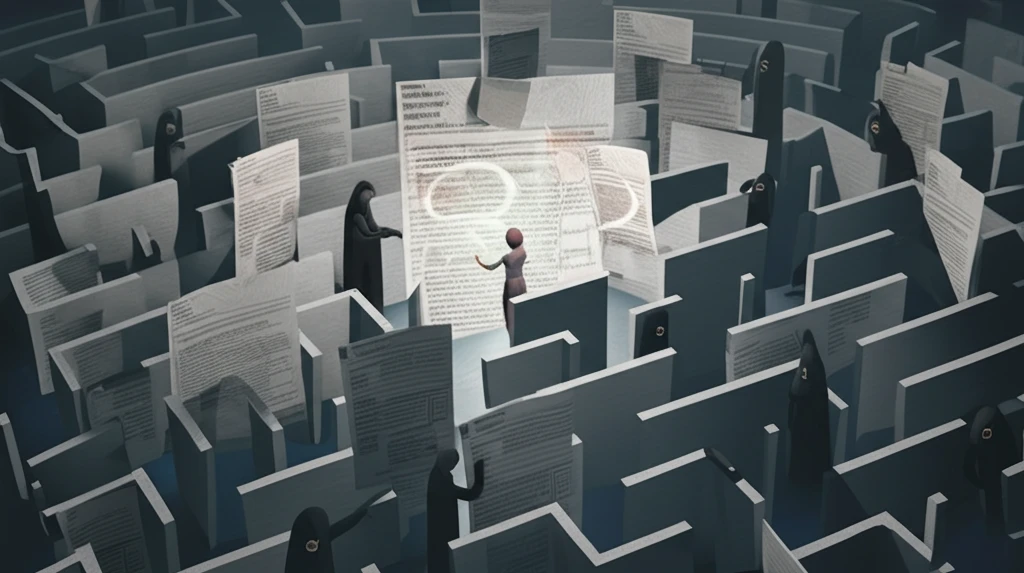
Hidden Fees Killing Your Vibe? How to Fight Back and Win

"Decoding Bank Loan Repayment Fine Clauses: A Customer's Guide to Satisfaction and Recommendation"
In today’s fast-paced world, managing our finances can feel like navigating a minefield. Just when you think you've got a handle on your budget, unexpected fees pop up, leaving you frustrated and questioning where you went wrong. One of the most common pain points? Opaque and customer-unfriendly loan repayment fine clauses at banks.
A recent study focused on Bank Jaya Artha in Indonesia sheds light on this issue, revealing the significant impact that unclear or unconsented-to fine clauses can have on customer satisfaction and loyalty. As financial institutions compete for customers, particularly in the lucrative pension sector, some resort to tactics that prioritize profit over customer well-being. This article unpacks the findings of the study, offering valuable insights for consumers everywhere.
Whether you’re an experienced investor or someone just starting to manage your loans, understanding your rights and knowing how to advocate for yourself is crucial. Let's explore how hidden fees can affect your banking experience and what steps you can take to ensure fair treatment and transparency from your financial partners.
Why Fees Matter
Hidden fees can make an advertised price differ from the amount a customer ultimately pays. Their impact may be especially frustrating when charges appear late in a purchase or are difficult to compare across providers. Consumers can reduce surprises by reviewing the full cost before committing.
Reading the Fine Print
A common approach to avoiding hidden fees is to review pricing details, terms, and payment conditions before agreeing to a transaction. This method can help, but it depends on information being clearly presented and on consumers having enough time to compare alternatives. It may not fully prevent unexpected costs when disclosures are complex or easy to overlook.
The Longstanding Pricing Problem
Unexpected charges are part of a broader, longstanding tension between simple advertised prices and the more detailed costs attached to a transaction. Over time, clearer disclosures and more deliberate price comparisons have become common ways to address that tension. The basic challenge remains making the final cost understandable before purchase.
The Fine Print Fallout: Understanding the Impact of Hidden Fees
The study on Bank Jaya Artha highlighted a critical issue: the imposition of unexpected loan repayment fines on customers. These fines, often levied on customers planning to repay their debt ahead of schedule, led to widespread dissatisfaction and complaints. The research revealed that a lack of transparency and poor communication surrounding these fees significantly eroded customer trust and willingness to recommend the bank.
- Eroded Customer Satisfaction: Customers who felt blindsided by the fees reported lower overall satisfaction with the bank's services.
- Reduced Likelihood of Recommendation: Unhappy customers were less likely to recommend the bank to others, impacting its reputation and potential for growth.
- Negative Word-of-Mouth: Dissatisfied customers often shared their negative experiences on social media and through word-of-mouth, further damaging the bank's image.
- Increased Complaints: The implementation of the unconsented clause led to a surge in customer complaints, requiring the bank to allocate resources to address these issues.
Comparing Personal Loans
Recent personal-loan comparison material highlights SoFi, Upgrade, and Discover among lenders consumers can compare in September 2026. SoFi advertises same-day online personal loans and was identified by NerdWallet as its 2026 pick for excellent credit. LoanSafeHub says shoppers can check rates in two minutes without affecting their credit score, while OliveTheMoney reports that personal loans in Roswell, New Mexico, typically range from $1,000 to $35,000 depending on qualifications and lender policies.
Where Defenses Fall Short
Efforts to avoid hidden fees can fail when pricing information is incomplete, complicated, or reviewed too quickly. A comparison that focuses only on the advertised rate may miss other costs or conditions. Consumers therefore may need to examine the complete repayment or purchase amount rather than relying on a single headline figure.
Compare the Full Cost
Comparing offers is more useful when the same features are evaluated across each option. Relevant differences can include the total amount paid, repayment terms, eligibility requirements, and the timing of funding or charges. A lower advertised rate is not necessarily the best value if other terms make the overall cost higher.
Taking Control of Your Banking Experience
The Bank Jaya Artha study serves as a valuable reminder of the importance of transparency and clear communication in the banking industry. By understanding your rights, actively engaging with your bank, and making informed choices, you can take control of your banking experience and ensure that you're treated fairly. Don't let hidden fees kill your vibe – fight back and demand the transparency you deserve!
Calculate Before Committing
A loan calculator can help consumers examine a repayment plan, interest cost, and amortization schedule before accepting conventional amortized loans, deferred-payment loans, or bonds. This kind of calculation turns a headline offer into a clearer view of the payment structure. It supports better scrutiny of the total cost, although the result depends on the figures entered.
More Transparent Decisions
Future efforts to fight hidden fees are likely to emphasize clearer pricing and easier comparisons. Tools that show total costs before commitment could make financial decisions more understandable. Progress will depend on whether consumers can access complete information in a form they can readily use.
Transparency Across Markets
Hidden fees reflect a wider structural challenge: customers and providers may not view the same transaction through the same price information. Complex terms can make alternatives difficult to compare even when details are technically disclosed. More consistent, readable pricing would help reduce that information gap.
The Cost of Uncertainty
Unexpected charges can affect whether a person can comfortably afford a purchase or repayment plan. The practical burden is greater when someone has limited time, limited financial flexibility, or difficulty comparing terms. Reviewing the full cost in advance can help people make decisions that better fit their circumstances.