
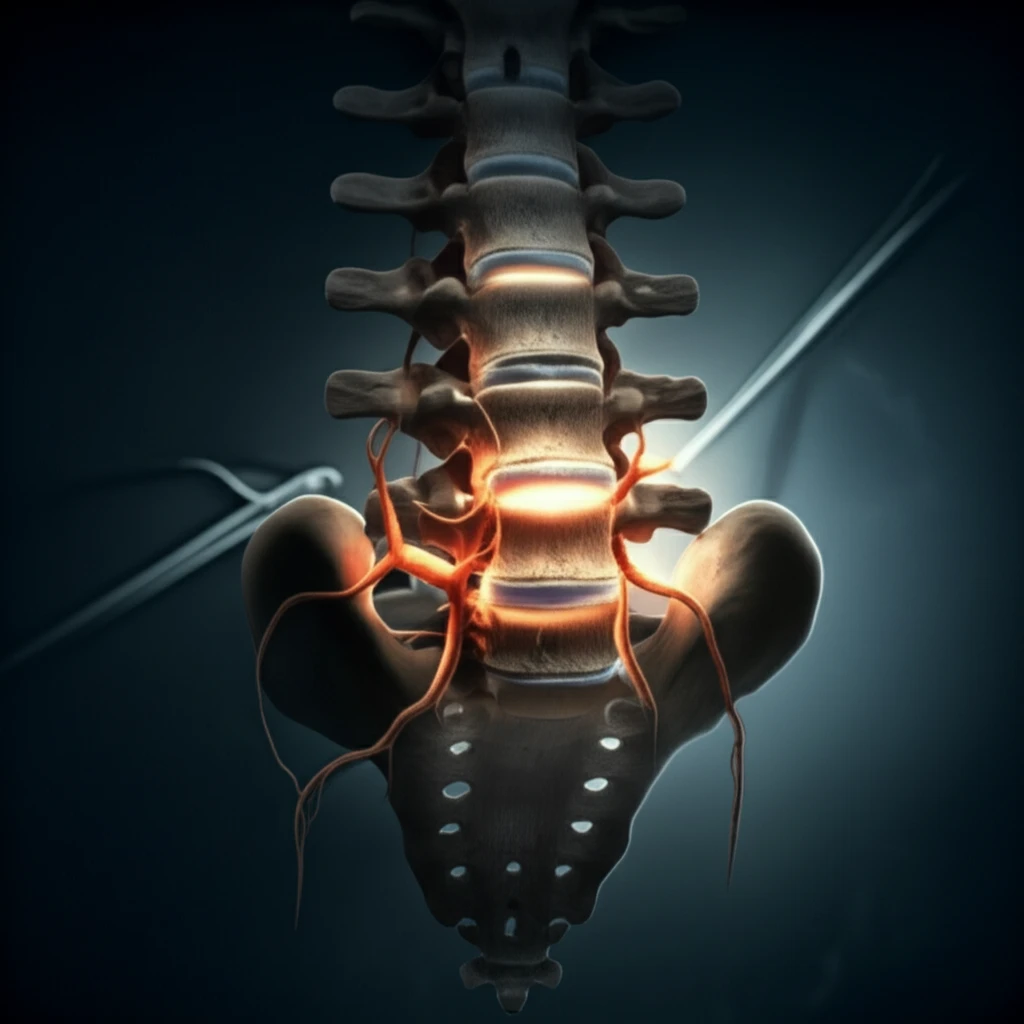
Iliac artery with spine, depicting vascular injury after surgery

Hidden Danger: How to Spot Vascular Injuries After Spinal Fusion

"Persistent leg pain after spinal surgery? It could be more than just nerve irritation."


Spinal fusion surgery, especially anterior lumbar surgery (approached from the front), is a common procedure for back pain. While generally safe, it carries rare but serious risks, including vascular injuries. These injuries, affecting blood vessels, can lead to significant complications if not promptly recognized and treated.

One such complication is iliac artery injury, where the main artery supplying blood to the leg is damaged. This can result in blood clots, reduced blood flow, and potentially limb-threatening conditions. The challenge lies in the fact that symptoms can mimic other post-operative issues, like nerve irritation, making diagnosis difficult.

This article will explore a case of iliac artery injury following anterior lumbar surgery, highlighting the importance of vigilance and prompt action when faced with unusual leg pain after spinal procedures. By understanding the risks and recognizing the signs, patients and healthcare providers can work together to ensure the best possible outcomes.

Case Study: When Leg Pain Wasn't Just Nerve Pain

Iliac artery with spine, depicting vascular injury after surgery

In May 2012, a 31-year-old woman experienced persistent left leg pain three weeks after revision lumbar surgery. She had a history of multi-level disc replacement surgery performed eight years prior. The revision surgery, aimed at addressing recurrent low back pain, involved an anterior approach and the insertion of a new cage.

During the surgery, an iatrogenic perforation (accidental puncture) of the left common iliac vein occurred and was repaired. However, immediately after surgery, the patient experienced complete numbness in her left leg. While the numbness began to resolve after four days, she then developed shooting, spasmodic pain radiating down her leg. Despite these symptoms, she was discharged home with analgesics.

  • Initial Misdiagnosis: The patient's pain was initially attributed to nerve root irritation secondary to a dislodged cage.
  • Delayed Diagnosis: It took multiple visits to the emergency department and a follow-up with her surgeon before the vascular issue was suspected.
  • Critical Clue: Absent pulses in the left leg prompted an urgent computed tomographic angiography, revealing a near-complete occlusion of the left common iliac artery.
The patient underwent emergency aorto-iliac bypass surgery to restore blood flow. Fortunately, the surgery was successful; her leg pain resolved, she regained strong pulses, and made a full recovery. This case underscores the critical need for a high index of suspicion for vascular injuries following spinal surgery.

Protecting Yourself: What You Need to Know

Vascular injuries following anterior lumbar surgery are rare, occurring in approximately 1.9% of cases, with arterial injuries accounting for less than half a percent. However, given the potential for serious complications, it's important to be informed and proactive.

If you experience persistent or unusual leg pain, numbness, or changes in temperature or color in your leg following spinal surgery, seek immediate medical attention. Don't hesitate to question your doctor and advocate for thorough investigation, including vascular studies if warranted.

While post-operative neurological issues often raise suspicion, vascular abnormalities should also be considered. Early detection and treatment are crucial in preventing limb-threatening complications and ensuring a successful recovery.

About this Article -

This article was crafted using a human-AI hybrid and collaborative approach. AI assisted our team with initial drafting, research insights, identifying key questions, and image generation. Our human editors guided topic selection, defined the angle, structured the content, ensured factual accuracy and relevance, refined the tone, and conducted thorough editing to deliver helpful, high-quality information.See our About page for more information.

This article is based on research published under:

DOI-LINK: 10.1177/230949901302100321, Alternate LINK

Title: Iliac Arterial Injury Following Anterior Lumbar Surgery: A Case Report

Subject: Surgery

Journal: Journal of Orthopaedic Surgery

Publisher: SAGE Publications

Authors: Bolarinwa Akinola, Godfrey Charnley

Published: 2013-12-01

Everything You Need To Know

1

What are vascular injuries, and why are they a concern after spinal fusion?

Vascular injuries are rare but serious complications that can occur after spinal fusion, particularly following anterior lumbar surgery. These injuries involve damage to blood vessels, such as the iliac artery, and can lead to significant complications like blood clots, reduced blood flow, and potentially limb-threatening conditions. Prompt recognition and treatment are crucial.

2

What is anterior lumbar surgery, and why does it relate to vascular injuries?

Anterior lumbar surgery, approached from the front, is a common procedure for back pain. This approach, however, carries a risk of vascular injuries. The iliac artery, a major blood vessel supplying the leg, can be damaged during the procedure. Recognizing symptoms and understanding the context of this type of surgery is critical for early detection and intervention, which can significantly improve outcomes.

3

What are the challenges in diagnosing vascular injuries after spinal surgery?

Symptoms of vascular injuries after spinal surgery can mimic other post-operative issues, like nerve irritation. This can lead to misdiagnosis and delays in treatment. In the provided case study, the patient's leg pain was initially attributed to nerve root irritation. The critical clue that prompted the correct diagnosis was the absence of pulses in the left leg. Other symptoms can include numbness, shooting pain, and spasmodic pain.

4

What is an iliac artery injury, and why is it significant?

An iliac artery injury is damage to the main artery supplying blood to the leg. This can lead to blood clots and reduced blood flow, which can be very dangerous. The case study illustrates this issue, where a near-complete occlusion of the left common iliac artery was discovered. Without intervention such as an aorto-iliac bypass surgery, these types of injuries can lead to severe long term complications.

5

What should I do if I suspect a vascular injury after my spinal fusion?

If you experience unusual leg pain or any concerning symptoms after spinal fusion, especially following anterior lumbar surgery, it's crucial to inform your healthcare provider immediately. Early detection of vascular injuries is vital for successful treatment and preventing serious complications. Prompt action is key, as illustrated by the successful outcome in the case study after undergoing emergency surgery to restore blood flow.

Newsletter Subscribe

Subscribe to get the latest articles and insights directly in your inbox.