
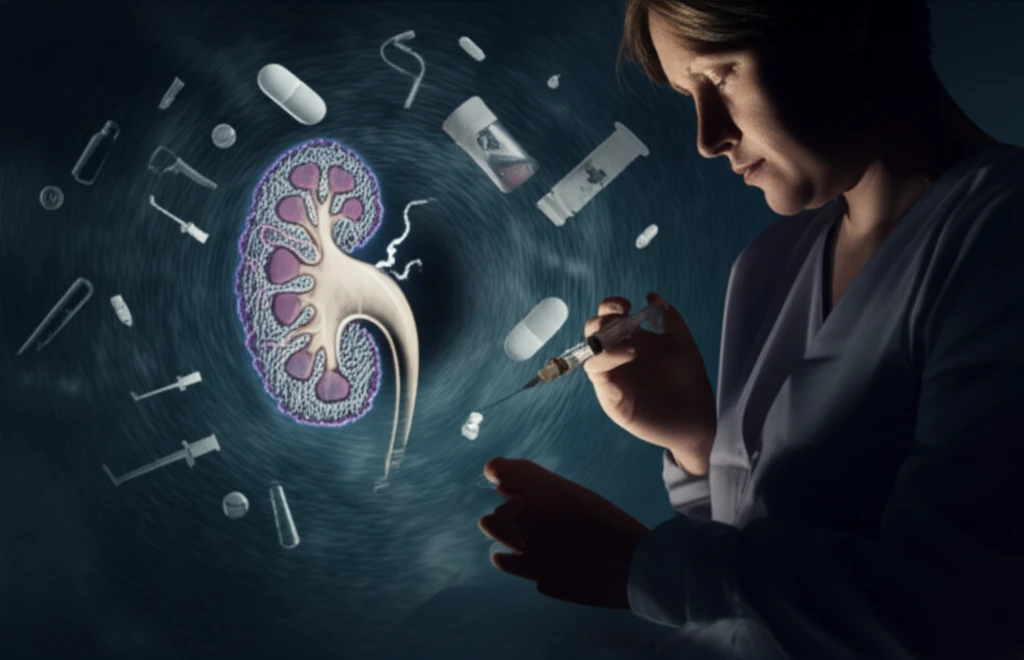
Heroin's Hidden Impact: How Injection Drug Use Leads to AA Amyloidosis

"Uncover the surprising link between heroin use, recurrent infections, and the development of secondary amyloidosis, a condition that primarily targets the kidneys."
Illicit drug use carries a wide range of well-documented risks, from overdoses and mental health issues to infectious diseases like HIV and hepatitis C. However, a less recognized complication is gaining attention: secondary amyloidosis (AA amyloidosis). This condition arises from chronic inflammation linked to injection drug use, particularly heroin, and can lead to severe organ damage, especially in the kidneys.
The opioid crisis in the United States has fueled a rise in heroin use, with rates nearly doubling between 2002 and 2013. This increase is especially pronounced among women and non-Hispanic whites, groups that historically had lower rates of heroin use. As heroin use continues to climb, it's crucial to understand the broader health consequences, including AA amyloidosis.
This article explores the connection between heroin use, recurrent infections, and AA amyloidosis. We'll delve into a real-life case, explain the underlying mechanisms, and discuss the implications for public health. Understanding this link is essential for healthcare providers and individuals alike in combating the opioid epidemic and its multifaceted health challenges.
What is AA Amyloidosis and How Does Heroin Use Contribute?
Amyloidosis is a condition characterized by the buildup of abnormal protein deposits (amyloid fibrils) in organs and tissues, disrupting their normal function. AA amyloidosis, specifically, occurs when fragments of serum amyloid A protein (SAA) accumulate. SAA is produced by the liver in response to inflammation. Chronic inflammatory conditions, such as rheumatoid arthritis or inflammatory bowel disease, have long been recognized as triggers for AA amyloidosis.
- Recurrent Infections: Injection drug use, particularly with black tar heroin, often leads to skin and soft tissue infections due to impurities and non-sterile injection practices.
- Chronic Inflammation: These infections trigger a prolonged inflammatory response, causing the liver to produce excessive amounts of SAA.
- Amyloid Deposition: Over time, high levels of SAA can lead to the formation and deposition of amyloid fibrils in various organs, most commonly the kidneys.
Turning the Tide: Prevention and Treatment
The rise of AA amyloidosis linked to heroin use underscores the urgent need for comprehensive strategies to combat the opioid epidemic. Public health initiatives focusing on safe prescribing practices, harm reduction, and accessible treatment options are crucial. Medication-assisted treatment (MAT), which combines medications with counseling and behavioral therapies, can be highly effective in helping individuals overcome opioid dependence and reduce their risk of injection-related complications.