
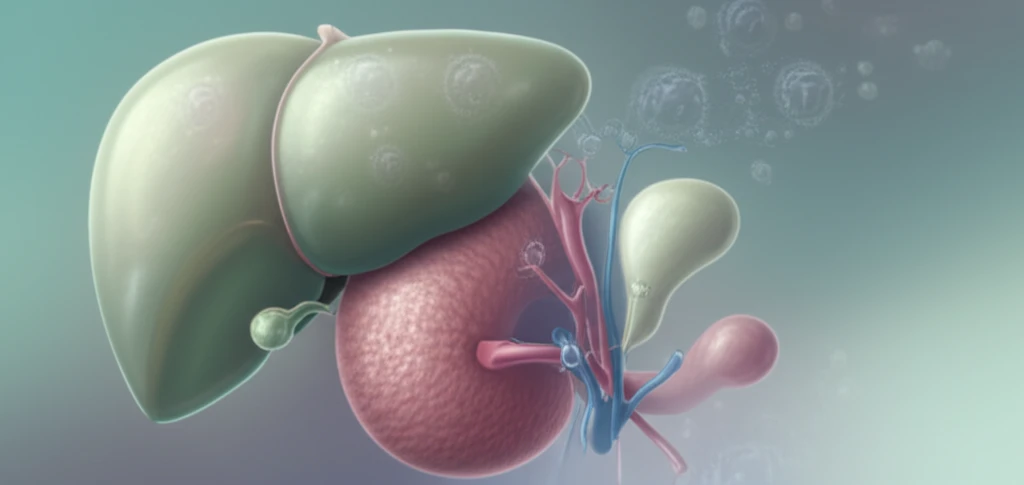
Surreal illustration of liver, spleen, and T-cells representing Hepatosplenic T-cell Lymphoma (HSTCL).

Hepatosplenic T-cell Lymphoma (HSTCL): Understanding this Rare Cancer

"Delve into the intricacies of Hepatosplenic T-cell Lymphoma (HSTCL), a rare and often overlooked cancer affecting young adults. Learn about its causes, symptoms, and the latest advancements in treatment."


Hepatosplenic T-cell lymphoma (HSTCL) is a rare type of aggressive cancer that primarily affects the liver, spleen, and bone marrow. This malignancy stems from T-cells, a type of white blood cell crucial for immune function. Unlike more common lymphomas that cause swollen lymph nodes, HSTCL typically presents with enlargement of the liver and spleen (hepatosplenomegaly), often without noticeable lymph node involvement. This unique presentation can make it challenging to diagnose.

HSTCL is classified as a type of non-Hodgkin lymphoma, specifically arising from cytotoxic T-cells, which are designed to kill infected or cancerous cells. In most cases, these T-cells express a specific receptor called the gamma delta (γδ) T-cell receptor. Although less common, some HSTCL cases involve alpha beta (αβ) T-cells. The distinction is important for understanding the disease's underlying biology and potential treatment strategies.

While HSTCL can occur at any age, it is more frequently diagnosed in young adults, particularly males. Its rarity means that many healthcare professionals may have limited experience with its diagnosis and management, underscoring the need for increased awareness and specialized expertise. Early and accurate diagnosis is critical to improve outcomes for individuals affected by this rare lymphoma.

What are the Symptoms and How is HSTCL Diagnosed?

Surreal illustration of liver, spleen, and T-cells representing Hepatosplenic T-cell Lymphoma (HSTCL).

The symptoms of HSTCL can be vague and mimic other, more common conditions, leading to delays in diagnosis. Key signs to watch for include:

Diagnostic procedures for HSTCL typically involve a combination of imaging studies and tissue biopsies:

  • Enlarged Liver and Spleen (Hepatosplenomegaly): This is the most common finding, causing abdominal discomfort or a feeling of fullness.
  • Fatigue: Persistent and unexplained tiredness is frequently reported.
  • Fever: Unexplained fevers can occur, often without other signs of infection.
  • Night Sweats: Heavy sweating during sleep, unrelated to room temperature.
  • Abdominal Pain: Discomfort or pain in the upper abdomen due to the enlarged liver and spleen.
  • Cytopenias: Reduction in blood cell counts, such as anemia (low red blood cells), thrombocytopenia (low platelets), and neutropenia (low white blood cells), leading to increased risk of infections and bleeding.
  • Physical Examination: Doctors check for enlarged liver and spleen.
  • Complete Blood Count (CBC): Evaluates red blood cells, white blood cells, and platelets to detect cytopenias.
  • Liver Function Tests (LFTs): Assesses liver health, which can be affected by HSTCL.
  • Imaging Studies:Ultrasound, CT scans, or MRI to visualize the liver and spleen and assess their size and condition.
  • Bone Marrow Biopsy: A small sample of bone marrow is taken to check for lymphoma involvement.
  • Liver and Spleen Biopsy: Tissue samples are examined under a microscope to confirm the diagnosis and identify the specific type of lymphoma.
  • Flow Cytometry: Identifies the specific markers on the surface of the T-cells to classify the lymphoma accurately.
  • Molecular and Genetic Tests: These tests help to identify specific genetic abnormalities associated with HSTCL, such as the presence of an isochromosome 7q, which is frequently found in this lymphoma.

What Treatment Options are Available for HSTCL?

Treatment for HSTCL typically involves a combination of chemotherapy and, in some cases, stem cell transplantation. The initial approach usually includes multiagent chemotherapy regimens designed to target and kill the cancerous T-cells. Common chemotherapy drugs used in HSTCL treatment include anthracyclines, such as doxorubicin, and other agents like cyclophosphamide, etoposide, and prednisone. These regimens aim to induce remission, where the lymphoma is no longer detectable.

About this Article -

This article was crafted using a human-AI hybrid and collaborative approach. AI assisted our team with initial drafting, research insights, identifying key questions, and image generation. Our human editors guided topic selection, defined the angle, structured the content, ensured factual accuracy and relevance, refined the tone, and conducted thorough editing to deliver helpful, high-quality information.See our About page for more information.

This article is based on research published under:

DOI-LINK: 10.4267/2042/44520, Alternate LINK

Title: Hepatosplenic T-Cell Lymphoma (Hstcl)

Subject: Cancer Research

Journal: Atlas of Genetics and Cytogenetics in Oncology and Haematology

Publisher: INIST-CNRS

Authors: A Cuneo, F Cavazzini, Gm Rigolin

Published: 2011-11-01

Everything You Need To Know

1

What exactly is Hepatosplenic T-cell Lymphoma?

Hepatosplenic T-cell Lymphoma is a rare and aggressive form of non-Hodgkin lymphoma that primarily affects the liver, spleen, and bone marrow. It originates from cytotoxic T-cells, specifically gamma delta (γδ) T-cells in most cases, though alpha beta (αβ) T-cells can also be involved. This cancer is unique because it often presents with hepatosplenomegaly (enlarged liver and spleen) without significant lymph node involvement, distinguishing it from other lymphomas. The aggressive nature and specific cell origin make early and accurate diagnosis crucial.

2

What are the first signs of Hepatosplenic T-cell Lymphoma?

The key indicators include hepatosplenomegaly (enlarged liver and spleen), fatigue, fever, night sweats, abdominal pain, and cytopenias (reduction in blood cell counts like anemia, thrombocytopenia, and neutropenia). The presence of these symptoms, particularly hepatosplenomegaly without enlarged lymph nodes, should prompt further investigation for Hepatosplenic T-cell Lymphoma. Because these symptoms are common across many conditions, diagnosis can be delayed.

3

How do doctors test for Hepatosplenic T-cell Lymphoma?

Diagnosis involves a combination of physical examinations, complete blood counts (CBC), liver function tests (LFTs), imaging studies (ultrasound, CT scans, or MRI), and biopsies (bone marrow, liver, and spleen). Flow cytometry is used to identify specific markers on the T-cells, and molecular and genetic tests help detect genetic abnormalities like isochromosome 7q. This multi-faceted approach is essential for confirming Hepatosplenic T-cell Lymphoma and distinguishing it from other conditions with similar symptoms.

4

What are the ways that Hepatosplenic T-cell Lymphoma is treated?

Treatment typically involves multiagent chemotherapy regimens, including drugs like anthracyclines (e.g., doxorubicin), cyclophosphamide, etoposide, and prednisone. The goal is to induce remission, where the lymphoma is no longer detectable. In some cases, stem cell transplantation is also considered to consolidate the remission and provide long-term control. The specific treatment plan depends on the stage of the lymphoma, the patient's overall health, and response to initial chemotherapy.

5

Why is Hepatosplenic T-cell Lymphoma considered a serious condition?

Hepatosplenic T-cell Lymphoma is considered aggressive due to its rapid progression and impact on vital organs such as the liver, spleen, and bone marrow. The cancerous T-cells proliferate quickly, leading to organ enlargement and bone marrow failure, resulting in cytopenias. This aggressiveness necessitates prompt and intensive treatment to achieve remission and improve patient outcomes. The specific characteristics of the T-cells involved and the genetic abnormalities associated with Hepatosplenic T-cell Lymphoma also contribute to its aggressive behavior.

Newsletter Subscribe

Subscribe to get the latest articles and insights directly in your inbox.