
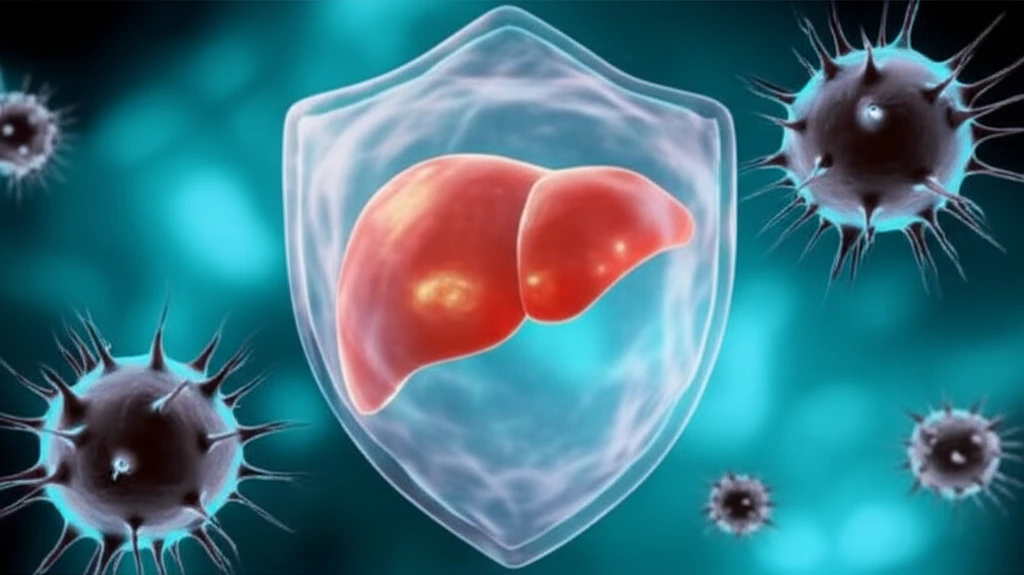
Hepatitis B Virus Reactivation: Is Your DLBCL Treatment Safe?

"A comprehensive guide to understanding and mitigating HBV reactivation risks in advanced-stage DLBCL patients undergoing chemotherapy."
Diffuse large B-cell lymphoma (DLBCL) is an aggressive type of non-Hodgkin lymphoma that requires intensive treatment, often involving chemotherapy regimens like R-CHOP (rituximab, cyclophosphamide, doxorubicin, vincristine, and prednisone). While these treatments are effective at targeting cancer cells, they can also weaken the immune system, creating opportunities for opportunistic infections and the reactivation of dormant viruses, particularly the hepatitis B virus (HBV).
Hepatitis B virus reactivation occurs when the virus, previously under control, starts replicating again, leading to liver inflammation and potential liver damage. For patients with DLBCL who are also HBV carriers, this reactivation can complicate cancer treatment, leading to interruptions, reduced chemotherapy doses, and poorer overall outcomes. Understanding the risk factors, preventative strategies, and management approaches for HBV reactivation is crucial for ensuring safer and more effective cancer treatment.
This article explores the critical aspects of HBV reactivation in DLBCL patients, focusing on how antiviral prophylaxis, particularly with drugs like tenofovir and lamivudine, can mitigate these risks. We will examine recent research, clinical guidelines, and practical steps patients and healthcare providers can take to protect against HBV reactivation, allowing for uninterrupted and successful cancer therapy.
Understanding HBV Reactivation in DLBCL Patients
Hepatitis B virus reactivation is a significant concern for patients with DLBCL undergoing chemotherapy. The use of immunosuppressive agents, especially rituximab (an anti-CD20 monoclonal antibody), can increase the risk of HBV reactivation. Rituximab targets B cells, which are crucial for controlling viral infections, thereby weakening the body’s ability to suppress HBV. The risk is particularly elevated in patients who are hepatitis B surface antigen (HBsAg) positive, indicating an active or chronic HBV infection.
Future Directions and the Importance of Continued Research
While current strategies are effective, ongoing research is essential to refine and improve HBV reactivation prevention and management in DLBCL patients. Larger studies are needed to demonstrate the survival advantages of using tenofovir as a prophylactic agent, particularly in patients with advanced-stage DLBCL and adverse IPI scores. Additionally, investigating the cost-effectiveness of different antiviral strategies will help optimize resource allocation and improve patient outcomes. By staying informed and proactive, healthcare providers and patients can work together to ensure safer, more effective lymphoma treatment.