
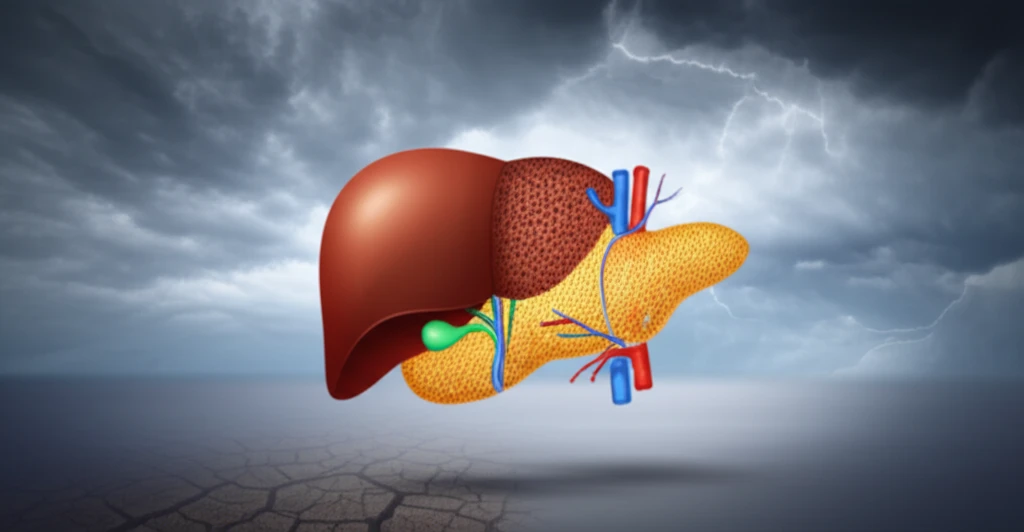
Hepatic Infarction and Acute Pancreatitis: What You Need to Know

"A rare but serious complication, hepatic infarction can occur alongside acute pancreatitis. Understand the connection, symptoms, and why early detection is crucial."
Acute pancreatitis, characterized by the release of inflammatory markers and digestive enzymes, can trigger systemic complications. While the body battles inflammation, the delicate balance of blood flow can be disrupted, potentially leading to thrombosis (blood clot formation). This is where the liver's unique blood supply becomes both a strength and a vulnerability.
The liver receives blood from two sources: the hepatic artery and the portal vein. This dual supply usually protects it from infarction (tissue death due to lack of blood supply). However, certain conditions, including severe pancreatitis, can overwhelm these protective mechanisms. When thrombosis affects either the hepatic artery or, more commonly, the portal vein, hepatic infarction can occur.
This article delves into a recent case report that highlights the connection between acute pancreatitis and hepatic infarction. We'll explore the underlying causes, key symptoms, and the critical role of early detection in managing this complex medical scenario.
Unraveling the Link: How Pancreatitis Can Lead to Liver Damage
The case report featured a 58-year-old male with a history of chronic alcoholism who presented with classic symptoms of acute pancreatitis: severe epigastric pain, nausea, and vomiting. However, his condition was further complicated by signs of hepatic involvement. Initial laboratory work revealed not only elevated lipase levels (indicating pancreatic inflammation) but also abnormalities in liver function tests.
- Inflammation and Pro-coagulant State: Acute pancreatitis triggers a systemic inflammatory response, releasing pro-coagulant factors that increase the risk of blood clot formation.
- Splenic Vein Thrombosis: The CT scan in the case report also suggested splenic vein thrombosis (blood clot in the splenic vein). The close proximity of the splenic and portal veins means that thrombosis in one can affect the other, ultimately disrupting blood flow to the liver.
- Compromised Blood Flow: The mass effect from the inflamed pancreas and potential vessel spasm can further impede blood flow to the liver.
The Takeaway: Early Detection and Management are Key
Hepatic infarction is a rare but potentially life-threatening complication of acute pancreatitis. Recognizing the symptoms, understanding the risk factors, and utilizing imaging techniques for early diagnosis are crucial for improving patient outcomes. While specific treatments may vary, addressing the underlying pancreatitis and preventing further thrombosis are paramount in managing this complex condition. If you experience severe abdominal pain, especially alongside symptoms like nausea and vomiting, seek immediate medical attention to rule out potentially serious conditions.