
Heart Failure and Kidney Health: Decoding the Risks

"Uncover the critical link between heart and kidney function in heart failure patients, and learn how to protect your health."
Heart failure (HF) and kidney dysfunction frequently coexist, creating a dangerous cycle where one condition exacerbates the other. It's well-established that kidney problems can worsen heart failure outcomes, but many people are unaware of just how closely these two organs are linked. This can result in late diagnosis and treatment, increasing the risk of severe complications.
A study published in the journal Revista Médica de Chile sheds light on this critical connection. Researchers investigated the incidence and prognostic importance of declining kidney function in patients hospitalized with heart failure. The findings underscore the urgent need for increased awareness and proactive management of kidney health in HF patients.
This article breaks down the study's key findings and offers practical insights into protecting your kidney health if you have heart failure. Understanding the risks is the first step toward better health management and improved outcomes.
Why Does Kidney Function Matter in Heart Failure?
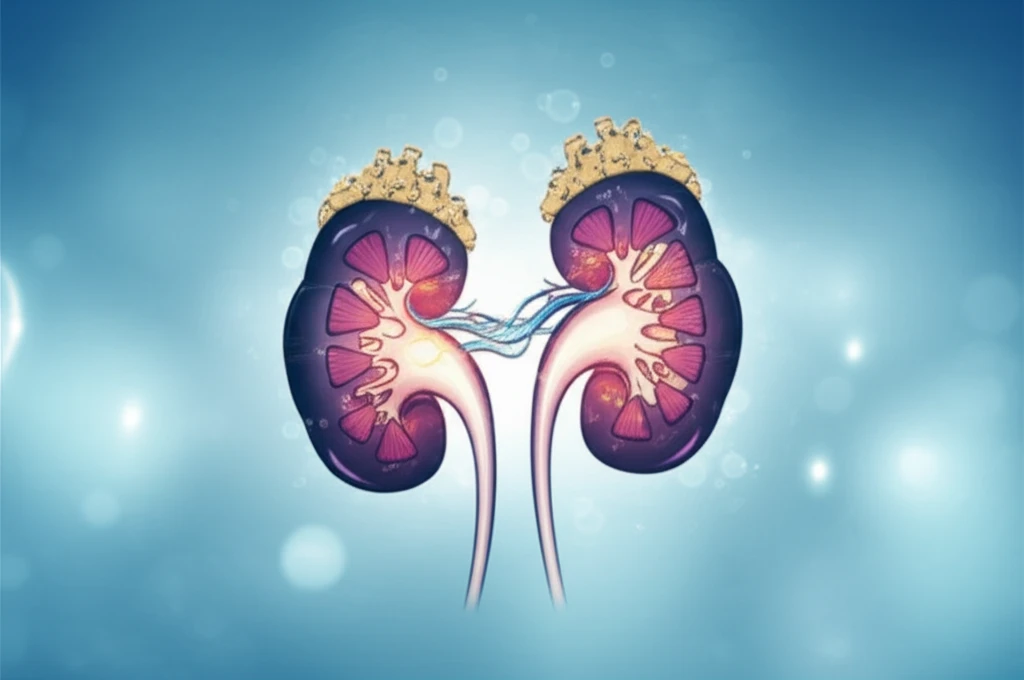
When the heart can't pump enough blood to meet the body's needs, it places a strain on other vital organs, including the kidneys. The kidneys filter waste and excess fluid from the blood, helping to regulate blood pressure and maintain electrolyte balance. Heart failure can reduce blood flow to the kidneys, impairing their ability to function properly. This can lead to a dangerous buildup of toxins and fluids, further stressing the heart.
- Increased risk of hospital mortality: Patients whose kidney function worsened were significantly more likely to die in the hospital.
- Higher long-term mortality: The negative effects extended beyond the hospital stay, increasing the risk of death over the long term.
Taking Control of Your Health
If you have heart failure, be proactive about your kidney health. Talk to your doctor about regular kidney function testing, and work together to manage risk factors such as high blood pressure and diabetes. By understanding the connection between your heart and kidneys, you can take control of your health and improve your chances of a longer, healthier life.