
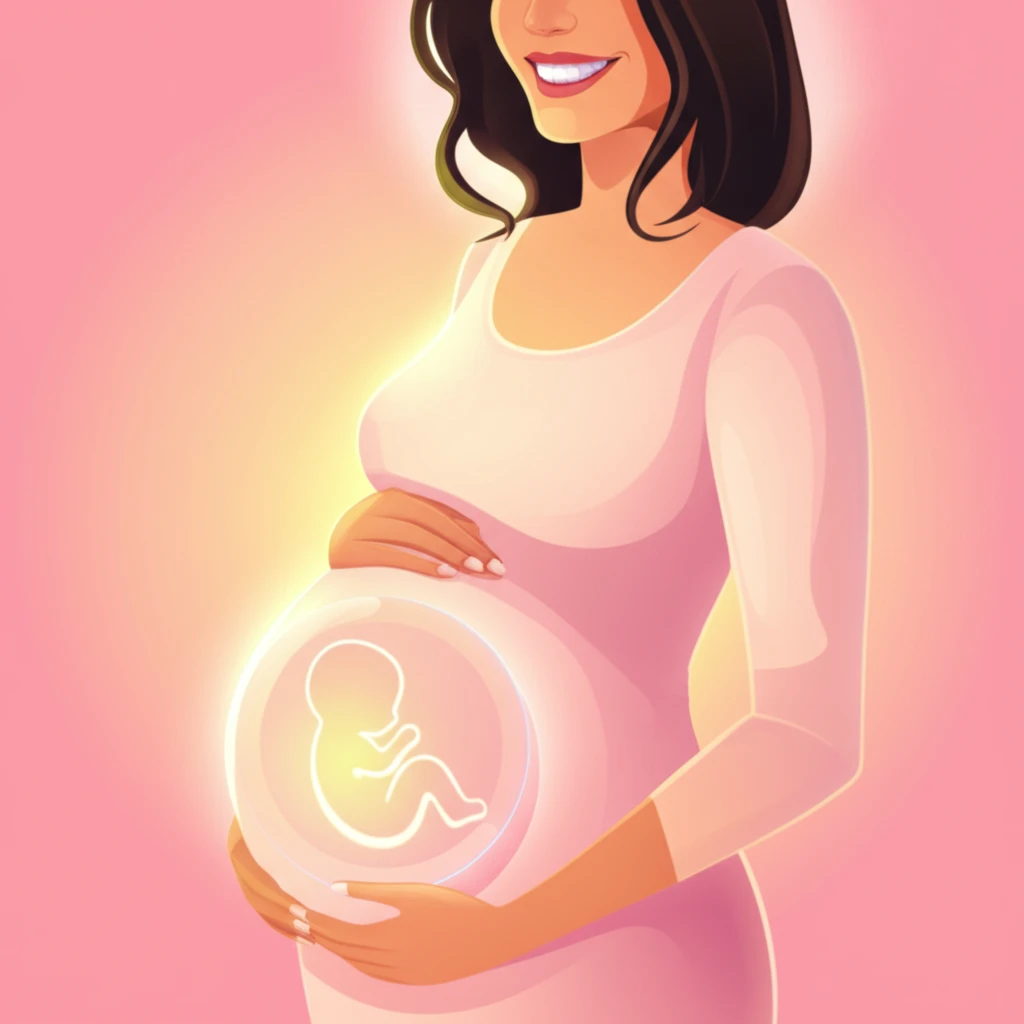
Illustration of a pregnant woman with a healthy smile, representing the importance of dental care during pregnancy.

Healthy Moms, Healthy Smiles: How Dental Care During Pregnancy Protects You and Your Baby

"Discover the vital link between prenatal dental care and a healthier pregnancy, plus simple steps for a brighter, healthier smile."


Pregnancy is a time of incredible change, a journey of anticipation and preparation for the arrival of a new life. While much of the focus centers on prenatal checkups, nutrition, and exercise, one crucial aspect of maternal health often gets overlooked: dental care. Yet, the health of your mouth has a profound impact on the health of your body, and even more so when you're pregnant.

During pregnancy, hormonal shifts can make your gums more susceptible to inflammation and bleeding, increasing the risk of gingivitis and other oral health problems. Moreover, these same hormonal changes can sometimes lead to morning sickness and cravings for sugary foods, further impacting your dental health. But the good news is that taking care of your teeth and gums during pregnancy is not only possible, but essential.

This article will delve into the critical importance of dental care during pregnancy, explaining the risks associated with neglecting oral health and offering practical tips for maintaining a healthy smile. We'll explore how regular dental visits can improve your overall well-being and contribute to a healthier pregnancy for you and your baby. By understanding the connection between oral health and pregnancy, you can take proactive steps towards a healthier, happier future.

The Hidden Risks: Why Oral Health Matters During Pregnancy

Illustration of a pregnant woman with a healthy smile, representing the importance of dental care during pregnancy.

The impact of oral health extends far beyond just your teeth and gums. Untreated dental issues during pregnancy can lead to a host of complications, affecting both the mother and the developing baby. For instance, infections in the mouth, such as gum disease (periodontitis), can increase the risk of premature birth and low birth weight. These risks arise because infections can trigger the release of inflammatory substances that may disrupt the normal course of pregnancy.

Beyond the direct risks to the baby, poor oral health can significantly impact a mother's well-being. Toothaches, gum disease, and other dental problems can cause pain, discomfort, and difficulty eating, which can affect a mother's nutritional intake and overall quality of life. This can lead to decreased energy levels, increased stress, and difficulty managing the demands of pregnancy.

  • Premature Birth: Infections can trigger early labor.
  • Low Birth Weight: Babies may be born smaller than expected.
  • Gestational Diabetes: Increased risk due to inflammation.
  • Increased Stress: Dental pain adds to overall stress levels.
  • Nutritional Deficiencies: Difficulty eating affects diet.
Understanding these risks underscores the need for proactive dental care during pregnancy. Regular dental visits, good oral hygiene practices, and prompt treatment of any dental issues can significantly reduce the chances of complications and contribute to a healthier pregnancy for both mother and child. It's about prioritizing not just your teeth, but your overall health and the well-being of your baby.

Smile Brighter, Live Healthier: Taking Action for a Healthy Pregnancy

Prioritizing dental care during pregnancy is an investment in your health and the health of your baby. By understanding the risks, adopting healthy habits, and seeking professional care when needed, you can ensure a healthy pregnancy and a beautiful smile. Remember, a healthy mom is a happy mom, and a healthy smile is a key part of that equation. Take control of your oral health today, and embrace a brighter, healthier future for you and your baby.

About this Article -

This article was crafted using a human-AI hybrid and collaborative approach. AI assisted our team with initial drafting, research insights, identifying key questions, and image generation. Our human editors guided topic selection, defined the angle, structured the content, ensured factual accuracy and relevance, refined the tone, and conducted thorough editing to deliver helpful, high-quality information.See our About page for more information.

Everything You Need To Know

1

Why is dental care so important during pregnancy?

Dental care is crucial during pregnancy because hormonal shifts can increase susceptibility to gingivitis and other oral health problems. Untreated dental issues like periodontitis can lead to complications such as premature birth and low birth weight. Furthermore, dental problems can cause pain and difficulty eating, affecting a mother's nutritional intake and overall quality of life. Prioritizing dental care helps ensure a healthier pregnancy for both the mother and the baby. Regular dental visits and good oral hygiene practices are essential.

2

What are the specific risks associated with poor oral health during pregnancy for the baby?

Poor oral health during pregnancy can lead to several risks for the developing baby. Infections like periodontitis can increase the risk of premature birth and low birth weight. These risks occur because infections trigger the release of inflammatory substances that may disrupt the normal course of pregnancy. Addressing oral health issues can help mitigate these potential risks and contribute to a healthier outcome for the baby. Additionally, gestational diabetes can occur.

3

How can I proactively take care of my teeth and gums during pregnancy to ensure a healthier pregnancy?

To proactively care for your teeth and gums during pregnancy, prioritize regular dental visits for check-ups and cleanings. Practice good oral hygiene by brushing your teeth at least twice a day with fluoride toothpaste and flossing daily. Maintain a balanced diet and limit sugary foods to minimize the risk of cavities. Promptly address any dental issues like toothaches or gum bleeding to prevent complications. These steps will contribute to a healthier pregnancy and a brighter smile.

4

Besides premature birth and low birth weight, are there other potential complications that can arise from poor dental health during pregnancy?

Yes, besides premature birth and low birth weight, poor dental health during pregnancy can contribute to other complications. Increased inflammation due to oral infections can elevate the risk of gestational diabetes. Moreover, dental problems like toothaches and gum disease can cause significant pain and discomfort, leading to increased stress levels and difficulty eating, which can result in nutritional deficiencies. Addressing oral health issues promptly can help mitigate these broader health risks during pregnancy.

5

How do hormonal changes during pregnancy impact dental health, and what specific oral health issues are more likely to develop?

Hormonal changes during pregnancy can significantly impact dental health, making gums more susceptible to inflammation and bleeding, which increases the risk of developing gingivitis. These hormonal shifts, combined with morning sickness and cravings for sugary foods, can further compromise dental health. In addition to gingivitis, pregnant women are also at higher risk for periodontitis, a severe form of gum disease. Therefore, maintaining meticulous oral hygiene and seeking regular dental care are crucial during pregnancy to manage these hormonally-driven oral health challenges. If these issues are not addressed it can result in tooth loss.

Newsletter Subscribe

Subscribe to get the latest articles and insights directly in your inbox.